






Understanding Mild Breakouts
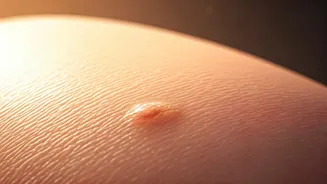
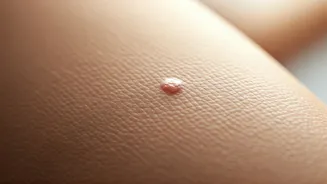
As temperatures climb, increased sweat and oil production can lead to minor skin irritations. These often manifest as small whiteheads, blackheads, or tiny
bumps, particularly around the forehead and nose, due to blocked pores. Addressing these early is key. A consistent cleansing routine, using a salicylic acid-based facial wash twice daily, can be highly beneficial. It's also advisable to steer clear of heavy, occlusive skincare formulations that can further contribute to pore congestion. Should these initial breakouts begin to develop into red, inflamed spots, it signals that the skin's protective barrier might be compromised. Introducing products containing niacinamide, alongside targeted application of benzoyl peroxide treatments, can help to soothe inflammation and combat bacteria, restoring balance to your complexion before the condition escalates.
Recognizing Severe Acne
When acne progresses beyond superficial blemishes, it can evolve into a more serious concern requiring expert intervention. This advanced stage is characterized by the emergence of painful cysts and deep nodules, often appearing as large, swollen pimples. These can spread across areas like the jawline and, critically, have the potential to leave behind persistent marks and deep scars if not managed promptly. Such severe inflammatory acne signifies a deeper issue that can lead to lasting dermatological problems. At this juncture, seeking guidance from a dermatologist becomes essential. They can provide personalized treatment plans, which may include potent prescription creams, courses of oral antibiotics to combat infection, professional peeling treatments to improve skin texture, and potentially a hormonal assessment to uncover underlying imbalances contributing to the breakouts.
Hormonal and Chronic Acne
Certain acne patterns are strongly linked to internal bodily changes, particularly hormonal fluctuations, and can become persistent or chronic issues. If you experience recurrent breakouts coinciding with your menstrual cycle, persistent adult acne that seems to defy treatment, or cystic acne appearing around the chin and jawline, these are strong indicators of hormonal influence. Factors such as Polycystic Ovary Syndrome (PCOS), disrupted sleep patterns, and chronic stress can significantly exacerbate these conditions. When faced with such persistent or cyclical acne, a dermatologist is the best resource. They can conduct thorough hormonal testing, recommend essential lifestyle modifications, prescribe appropriate oral medications to regulate internal systems, and introduce prescription-strength retinoids for effective, long-term management of your skin concerns.
Summer Skincare Prevention
Proactive skincare is crucial for managing acne during the summer months. Opt for lightweight, non-comedogenic products, such as oil-free sunscreens and gel-based moisturizers, to avoid clogging pores. Consistent sunscreen application is non-negotiable, as UV exposure can worsen existing acne marks and lead to hyperpigmentation. It's vital to cleanse your skin promptly after sweating to remove pore-clogging residue. Regular cleaning of pillowcases, ideally twice a week, also helps minimize bacterial transfer. During summer, it’s wise to reduce the frequency of using harsh acids and scrubs, as they can irritate sensitive, acne-prone skin. Finally, maintaining adequate hydration by drinking plenty of water supports overall skin health and can aid in managing inflammation.