



The Burger Dilemma
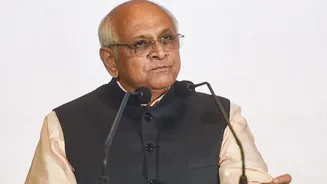
Microsoft co-founder Bill Gates has publicly confessed a peculiar fondness for cheeseburgers, a culinary delight that stands in stark contrast to his extensive
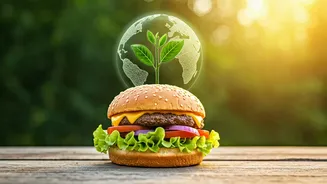
work in climate change mitigation and sustainable food technologies. Despite his deep commitment to environmental causes, Gates admits that the humble cheeseburger remains his personal indulgence, a comfort food he cherishes while simultaneously recognizing its substantial contribution to environmental degradation. He has frequently articulated concerns regarding the ecological consequences of beef production, specifically highlighting the considerable greenhouse gas emissions generated by cattle farming. Furthermore, Gates has shared his personal quest for plant-based substitutes that can genuinely rival the sensory experience of a traditional beef burger, noting that no current alternative fully replicates the rich flavour and satisfying texture he desires. This personal conflict underscores a broader societal challenge: balancing popular food preferences with the urgent need for environmental sustainability.
Beef's Environmental Toll
Bill Gates has openly labeled his favorite food, the cheeseburger, as a significant 'climate disaster.' In his own writings, he has elaborated on how the production of beef plays a substantial role in releasing greenhouse gases, particularly methane, which is a potent byproduct of cattle digestion. This aligns with findings from numerous climate researchers and organizations, including the United Nations' Food and Agriculture Organization, which point to livestock farming as a major source of human-induced emissions. Raising cattle demands extensive resources, including vast tracts of land for grazing and feed cultivation, as well as significant water consumption. The digestive processes of these animals release methane, a greenhouse gas that traps heat much more effectively than carbon dioxide over shorter periods. This creates a personal paradox for Gates, who enjoys cheeseburgers but is acutely aware of the considerable climate footprint associated with widespread beef consumption. The inherent contradiction highlights the difficulties in reconciling personal enjoyment with environmental responsibility.
The Fat Factor Challenge
A key reason why plant-based burgers often fall short of replicating the authentic cheeseburger experience, according to Gates, lies in the crucial element of animal fat. He has articulated that the richness, juiciness, and overall desirable flavour profile that consumers associate with cheeseburgers are largely derived from the fat molecules naturally present in meat. While meat substitutes have seen remarkable advancements in recent years, the precise replication of the taste and texture of real beef continues to present a significant hurdle for food scientists and the companies dedicated to developing more sustainable food options. This ongoing challenge is what drives Gates' continued investment in food innovation projects. His focus is on developing technologies that can effectively recreate the characteristics of animal fat and meat proteins without the necessity of traditional livestock farming, aiming to bridge the gap between deliciousness and environmental consciousness.
Innovating for a Greener Plate
Bill Gates is actively supporting various enterprises focused on reducing the environmental impact inherent in food production. One notable company he has publicly endorsed is Savor, which is concentrating on the development of synthetic fat molecules designed to mimic the properties of animal fat without the need for raising cattle. This innovative approach involves exploring methods to produce fats using inputs such as carbon dioxide and hydrogen, entirely bypassing animal agriculture. The ultimate objective is to precisely replicate the flavour nuances and cooking characteristics of conventional fats, while simultaneously achieving a substantial reduction in the greenhouse gas emissions typically associated with livestock farming. Gates champions these kinds of technologies, believing they can eventually offer consumers appealing, climate-friendly food choices that do not necessitate drastic dietary sacrifices or the complete abandonment of beloved meals.
Why Less Beef Matters
Climate scientists consistently identify beef production as one of the most environmentally damaging components of the global food system. Beyond the significant methane emissions, cattle farming contributes to other pressing environmental issues, including deforestation, land degradation, and extensive water usage across many regions worldwide. Experts suggest that a reduction in beef consumption, particularly in affluent nations where meat intake is high, could significantly contribute to lowering overall greenhouse gas emissions. Gates himself has indicated that he has reduced his own beef consumption, even though burgers remain a personal favorite. However, he also acknowledges the immense difficulty in persuading billions of individuals to permanently abstain from eating meat. Therefore, he advocates for the widespread availability of affordable and practical alternatives as essential for driving large-scale, sustainable dietary shifts that can make a tangible difference to the planet's future.