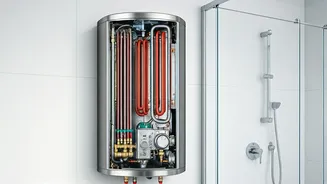







Temperature Matters Critically
Setting the geyser's temperature correctly is the first step towards safety. A common problem is setting the thermostat too high. Exceeding 49°C can lead
to scalding, especially for children and the elderly. It is highly advised to set your geyser temperature no higher than 49°C. This temperature offers the perfect balance between comfort and safety. Furthermore, always check the water temperature before showering, particularly when children are using the bathroom. If you have a mixing valve, check that it functions correctly to keep the temperature stable and reduce any risks.
Regular Maintenance Practices
Regular maintenance is crucial for the safe and efficient functioning of your geyser. Start with periodic inspections of the geyser. Look for any signs of corrosion, leaks, or unusual noises. Addressing issues promptly avoids major problems. Scale buildup inside the tank is another factor to consider. It decreases efficiency and raises energy costs, and potentially shortens the lifespan of the geyser. To prevent this, flush the geyser annually to remove mineral deposits. Furthermore, checking the pressure relief valve is essential. This valve is designed to release excess pressure, which can prevent tank explosions. Test it periodically to ensure it functions as intended.
Electrical Safety Essentials
Electrical safety is of utmost importance when using a geyser. Ensure that the geyser is properly grounded to prevent electric shocks. A properly grounded geyser diverts electrical faults away from individuals, enhancing safety. Regularly inspect the power cord for any damage, such as cuts or fraying, and replace it immediately if found. Water and electricity are a dangerous combination, so it is necessary to make sure the geyser is not in close proximity to a direct water source. Never handle the geyser or its electrical connections with wet hands. Finally, consider using a Residual Current Device (RCD) or a Ground Fault Circuit Interrupter (GFCI) in your bathroom. These devices quickly cut off the power supply in case of electrical leakage, thus ensuring an extra layer of protection.
Identifying Potential Hazards
Recognizing potential hazards is critical to safe geyser usage. Leaks are a major concern, as they can lead to water damage and electrical hazards. If you detect any leaks, immediately shut off the geyser and contact a professional for repairs. Overheating can also be a significant issue, often caused by a malfunctioning thermostat or an inadequate water supply. If you suspect overheating, turn off the geyser and let it cool down before inspecting it. Another hazard is the build-up of flammable gases, such as hydrogen, inside the tank. In a closed environment, these gases could accumulate if the geyser is not used for a long period. To mitigate this risk, turn off the geyser before entering the bathroom, and open a window to ventilate it.
Professional Help and Advice
When dealing with geyser maintenance or repairs, always prioritize safety and seek professional assistance when needed. Do not attempt to repair electrical or plumbing issues yourself unless you possess the required skills and experience. Qualified technicians can efficiently diagnose and fix problems, ensuring the geyser operates safely and effectively. They are also equipped with the right tools and knowledge to do the job properly. Additionally, it is essential to follow the manufacturer's guidelines for maintenance and operation, as they provide specific instructions for your geyser model. Consider having your geyser serviced by a professional at least once a year. This helps to identify and resolve any potential problems, thereby ensuring your safety and the longevity of your geyser.