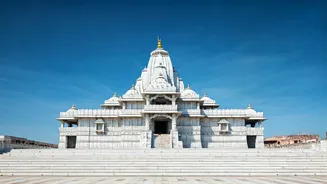







A Historic Inauguration
The inauguration of the Ram Mandir in Ayodhya marked a significant moment in India's history. Prime Minister Narendra Modi's visit to the temple was central
to the celebrations. The event drew national and international attention, symbolizing a confluence of faith, culture, and national pride. The meticulous planning and execution showcased the importance of this occasion, representing a pivotal moment for millions of devotees and a turning point in the city's narrative. This inauguration not only marked the beginning of a new chapter for the temple but also served as a moment for reflection and unity across diverse communities. The grandeur of the ceremony reflected India’s commitment to preserving its rich heritage and traditions while embracing a future of inclusivity and growth. Media outlets covered every aspect, from the preparations to the main events, capturing the mood of the nation.
PM Modi's Involvement
Prime Minister Narendra Modi played a pivotal role in the Ram Mandir's inauguration. His visit was a focal point, symbolizing the government's commitment to the project and its respect for the sentiments of the people. Modi's active participation in the ceremonies, including the 'pran pratishtha' (consecration of the idol), underscored his personal involvement in the event. His presence added immense significance to the celebrations. The Prime Minister’s involvement, widely covered by media, highlighted the national importance of the Ram Mandir and the government’s efforts to facilitate its completion. The participation was seen as a unifying gesture, aiming to bring together various segments of the population. Modi’s actions during the event reflected his dedication to honoring and upholding the values associated with the Ram Mandir. His visit was seen as a key aspect of the inauguration, ensuring the event would be remembered for years to come.
Celebrations and Preparations
The preparations for the Ram Mandir inauguration in Ayodhya were extensive, involving a collaborative effort to ensure a seamless and memorable event. From infrastructural upgrades to detailed ceremonial arrangements, every aspect was meticulously planned and executed. The city itself underwent a significant transformation, with improved infrastructure, enhanced security measures, and welcoming decorations. These preparations showcased the dedication to hosting a grand and historically significant celebration. Millions of devotees and visitors were anticipated, and preparations included managing the crowd, arranging accommodation, and establishing effective communication channels. Media coverage constantly tracked the progress. The careful orchestration of events highlighted the importance of attention to detail and a commitment to making the inauguration a resounding success. This was about more than just a temple; it was a celebration of faith, history, and community.
Significance of the Event
The Ram Mandir's inauguration holds deep significance, representing a historic landmark for many. It symbolizes the culmination of a long-standing aspiration for millions of devotees. The event is more than a religious ceremony; it reflects cultural revival and national identity. The temple's presence in Ayodhya is expected to boost tourism, bringing economic benefits to the local community. The inauguration became a symbol of unity, bridging various sections of society. The event triggered widespread celebrations, underscoring its profound emotional impact. The occasion highlighted the importance of faith and tradition in modern India, creating a sense of shared heritage. The Ram Mandir's inauguration thus served as a testament to the nation's spiritual and cultural heritage, fostering a sense of pride and shared purpose among the people.