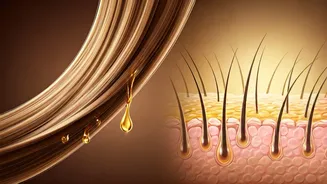





Understanding Derma Rolling
In the quest for thicker hair, derma rolling, also known as microneedling, has emerged as a popular internet trend. While the concept of tiny needles piercing
the scalp might sound intimidating, its effectiveness lies in its ability to stimulate blood circulation and awaken dormant hair follicles. This process also significantly enhances the absorption of topical hair growth treatments. However, to harness its full potential and prevent scalp damage, it's crucial to understand the right approach. This method isn't a quick fix but a commitment to a routine that, when done correctly, can lead to noticeable improvements in hair density and health by creating micro-channels for better product penetration and stimulating the scalp's natural healing response.
Needle Size Matters
Selecting the appropriate needle length for your derma roller is paramount to a successful hair growth regimen. For those aiming to simply improve the absorption of their hair serums, a roller with needles ranging from 0.25mm to 0.5mm is sufficient. These smaller sizes can be used safely one to two times per week. However, for genuine follicle stimulation and more robust hair growth, a higher needle length is required. Rollers with 1.0mm or 1.5mm needles are often utilized in clinical studies demonstrating significant hair regrowth. It's important to recognize that these longer needles are potent and demand careful usage. Due to their depth, they should only be employed once every one to two weeks, allowing ample time for the scalp to recuperate and heal from the micro-injuries, ensuring optimal results without causing undue stress to the skin.
Hygiene and Application
Maintaining impeccable hygiene is non-negotiable when performing derma rolling to prevent infections. Before each use, thoroughly disinfect the roller head by soaking it in 70% isopropyl alcohol for a duration of 5 to 10 minutes, followed by complete air drying. Concurrent to the roller's preparation, wash your hair with a mild shampoo. Attempting microneedling on a soiled or sweaty scalp risks pushing bacteria deep into the skin, leading to potential infections. Once your hair is entirely dry, divide it into sections using a comb to expose the areas experiencing thinning. Proceed to roll over the targeted zones 4 to 5 times in a horizontal motion, followed by vertical, and then diagonal passes. A critical rule to follow is lifting the roller gently each time you change direction; never drag it across the scalp, as this can cause micro-tears, scratches, and potential scarring. Apply moderate pressure, aiming for a mild tingling sensation and slight redness, but avoid any significant bleeding. After completing the rolling process, rinse the roller and again submerge it in isopropyl alcohol for 5 to 10 minutes before storing it securely.
Crucial Aftercare and Patience
Following the derma rolling session, specific aftercare practices are vital for promoting healing and maximizing results, while also understanding that patience is a key ingredient. A common and dangerous mistake is the immediate application of Minoxidil or other topical treatments, particularly after using longer needles (1.0mm or 1.5mm). Applying alcohol-based products directly post-rolling can cause intense burning and may lead to the medication being absorbed too rapidly into the bloodstream, potentially affecting heart rate. Dermatologists strongly recommend waiting a full 24 hours before reapplying any topical treatments. Furthermore, it's essential to manage expectations regarding the timeline for visible results. Hair growth is a gradual process, and significant thickening will not occur overnight. Committing to a consistent derma rolling routine for a minimum of three to six months is generally advised before expecting to see substantial improvements in hair density and overall thickness.
Avoiding Common Mistakes
Several prevalent errors can undermine the effectiveness of derma rolling and even lead to further hair loss. A pervasive myth is that applying more pressure yields superior hair growth. This is entirely false; pressing harder with the needles can damage and destroy hair follicles, leading to permanent scarring and, ironically, more hair loss. Gentleness is key. Another significant error involves using the wrong roller size for the intended purpose. As discussed, facial rollers are not suitable for scalp use, and the needle length must be chosen based on whether the goal is improved absorption or direct follicle stimulation. Lastly, impatience often leads individuals to abandon the treatment prematurely or make hasty application decisions. True efficacy demands adherence to proper technique, consistent application within recommended frequencies, and allowing sufficient time for the scalp to regenerate and hair follicles to respond.