
SPF: The Basics
Sun Protection Factor (SPF) is a measure of how well a sunscreen protects your skin from UVB rays, the primary cause of sunburn. SPF numbers indicate how much
longer it takes for your skin to redden compared to going without sunscreen. For example, SPF 30 means it would take 30 times longer to burn. However, the protection isn't linear. SPF 15 blocks about 93% of UVB rays, SPF 30 blocks around 97%, and SPF 50 blocks approximately 98%. While SPF 100 offers slightly more protection (around 99%), the difference is marginal. The focus should be on using a sunscreen with at least SPF 30 and applying it correctly.
Beyond the Numbers
While SPF measures UVB protection, it doesn't fully represent a sunscreen's overall effectiveness. The protection against UVA rays, which contribute to skin aging and skin cancer, is equally important. Many sunscreens offer 'broad-spectrum' protection, meaning they shield against both UVA and UVB rays. However, the SPF rating itself doesn't indicate UVA protection levels. Furthermore, the effectiveness of any sunscreen is heavily reliant on proper application. People often don’t apply enough sunscreen or reapply it frequently enough, significantly reducing its protective capabilities. Sunscreen should be applied generously, about one ounce, every two hours, or more often if swimming or sweating.
Application Matters Most
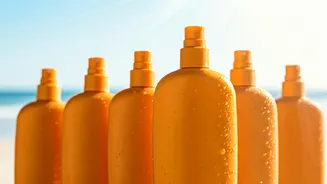
No matter the SPF, incorrect application drastically diminishes a sunscreen's efficacy. Most people apply only 25-50% of the recommended amount, providing significantly less protection than the SPF number suggests. Rubbing it in thoroughly to ensure full coverage is also key. Areas like the ears, neck, and the tops of the feet often get missed. Reapplication is also crucial, especially after swimming or sweating. Even waterproof sunscreens can lose effectiveness over time. Consider a sunscreen spray, cream, or lotion that you feel works best for you and your lifestyle. To be fully protected, it is essential to reapply your chosen sunscreen every two hours, without fail.
Choosing Wisely
Instead of fixating on high SPF numbers, focus on a sunscreen that offers broad-spectrum protection, which shields against both UVA and UVB rays. Consider the texture and formulation, choosing one you'll comfortably apply and reapply. Mineral sunscreens, containing zinc oxide or titanium dioxide, are often a good option, as they provide broad-spectrum protection and are generally gentle on the skin. Always read the label and follow instructions for application and reapplication. Check the expiration date. In addition to sunscreen, seeking shade and wearing protective clothing, such as hats and sunglasses, are also important steps in protecting the skin from sun damage.
Sun Safety Strategies
Sun safety is multi-faceted. Combining sunscreen with other protective measures gives the best results. Wearing wide-brimmed hats and protective clothing can significantly reduce sun exposure. Scheduling outdoor activities during off-peak hours, when the sun's rays are less intense, is also advisable. Regularly checking your skin for any changes or new growths is crucial. If you spot anything suspicious, consult a dermatologist. Protecting your skin is not just about using sunscreen; it's about adopting a lifestyle that minimizes sun exposure and maximizes skin health. Staying informed is key; knowing the facts allows one to choose the best protective measures for personal needs and lifestyle, leading to long-term skin health.