






Satellite Anomaly Details
Communication was lost with Starlink satellite 34343, operating at an altitude of approximately 560 km in Low Earth Orbit (LEO). The satellite reportedly
suffered an 'anomaly,' a term used to describe an unexpected malfunction. While the company emphasized minimizing concerns about risks to other space assets, an independent orbital intelligence firm, LeoLabs, characterized the event as a 'fragment creation event.' This suggests a more significant disintegration than initially implied, generating multiple pieces of debris. The exact nature of the anomaly is under investigation by SpaceX and Starlink teams, with efforts underway to implement preventative measures for future satellites. This incident follows a similar occurrence late last year where another Starlink satellite experienced an anomaly and tumbled from orbit, highlighting a potential recurring issue.
Debris and Risk Assessment
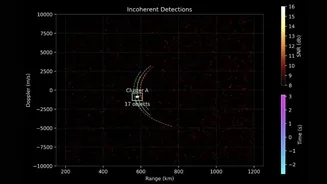
Following the anomaly, LeoLabs' radar systems promptly detected dozens of objects in the satellite's immediate vicinity. These independent observations suggest a substantial fragmentation. LeoLabs posits that the event was likely triggered by an internal energetic source, rather than a collision with space debris or another satellite, differentiating it from typical impact scenarios. Despite the generation of fragments, LeoLabs anticipates that these pieces will de-orbit and burn up in the atmosphere within a few weeks, mitigating long-term risks. While Starlink aims to downplay immediate dangers to ongoing and upcoming missions, including the Transporter-16 mission and NASA's Artemis II launch, the occurrence of such events underscores the ongoing need for robust space situational awareness and enhanced clarity in managing the increasingly crowded orbital environment.