




The Mango Premium Trap
The arrival of mango season typically ignites widespread joy across India, with consumers eagerly seeking out their favorite varieties. This year, the excitement
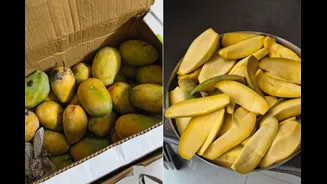
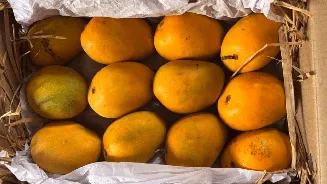
was tempered by a stark reminder of potential deceit. One consumer, in pursuit of what she believed to be superior quality, invested a significant sum of Rs 1800 for 10 kilograms of mangoes, specifically opting for those advertised as 'chemical-free.' The seller's assurance of top-tier quality and farm-fresh origin, coupled with the fruits' alluring orange exterior suggesting ripeness, masked a disappointing reality. This experience, shared widely online, has reignited concerns about the integrity of food claims and the growing trend of consumers being overcharged for products that fail to meet expectations, especially when those expectations are tied to perceived health benefits and natural origins. The reliance on terms like 'organic' and 'chemical-free' often comes with a substantial price hike, making such discrepancies particularly disheartening for the consumer.
Unveiling the Deception
The buyer's initial joy turned to dismay when, upon cutting the seemingly perfect mangoes, she discovered they were uniformly white and utterly devoid of flavor. This stark contrast between the exterior's promise and the interior's reality pointed towards a significant issue. The seller's confident assurances of 'chemical-free' and 'farm-direct' produce crumbled under scrutiny. When confronted later, the seller’s immediate refund of the Rs 1800 without any argument or inspection strongly suggested an awareness of the fruit's poor quality, reinforcing the suspicion of artificial ripening or other chemical treatments. This immediate capitulation transformed the transaction from a genuine dispute into a clear instance of alleged fraud, where 'organic' and 'chemical-free' labels were likely employed as marketing tools to inflate prices and capitalize on consumer trust and desire for healthy options.
Wider Implications and Consumer Advice
This incident quickly resonated with many online, sparking a wave of shared experiences and observations about the current state of food purity. Comments highlighted the prevalent sentiment that 'nothing is pure and natural these days' and pointed towards common practices like ripening mangoes with calcium carbide, a chemical often used for artificial ripening, which can compromise taste and texture. Several users offered practical advice, such as the strategy of buying and tasting a single mango before committing to a larger purchase, rather than relying on pre-cut samples or seller assurances. The discussion also touched upon the broad misuse of terms like 'organic,' suggesting that it has become part of a larger fraudulent industry where any product can be labeled as such to justify higher prices, with very few items truly meeting the chemical-free standard. The core takeaway is a call for increased consumer awareness and skepticism towards premium price tags attached to vague assurances of purity.