








Market Volatility Explained
The stock market experienced a period of volatility, with the Sensex and Nifty indices showing significant declines. The Sensex ended with a substantial
drop of 604 points, marking its worst week since September 2025, and briefly dipped below the 25,700 mark. These market corrections were influenced by a confluence of factors. One key reason was the increase in US tariff threats, as seen with a 500% tariff threat that impacted the market. Additionally, specific sector performances, such as the metal sector with a 2.5% decrease, weighed on the overall market sentiment. A fall in silver prices, dropping by Rs 10,000 in a single day, also influenced the market behavior. This volatility underscores the sensitivity of the market to both domestic and international economic forces and policy announcements.
IPOs and Market Activity
The primary market witnessed various IPO activities, highlighting the interest and investment opportunities. Modern Diagnostic's IPO experienced significant oversubscription, with a subscription rate of 376.90x on its final day. The listing of E to E Transportation Infra IPO on the NSE SME platform saw a strong debut, with a 90% premium. The Bharat Coking Coal IPO opened on January 9 and was fully subscribed within an hour, even as the Grey Market Premium (GMP) fell. The Gabion Technologies IPO also garnered substantial interest, receiving 826x subscriptions on its last day. These IPOs showcased the active primary market and the investor enthusiasm for new offerings, with companies such as Victory Electric Vehicles also drawing investor attention during the subscription periods.
Real Estate Trends
The real estate sector in India is undergoing dynamic shifts, with varying trends across different segments. Branded homes are gaining popularity among Indian homebuyers, with a 55% surge over the past five years. The government is expected to boost the infrastructure in Navi Mumbai, turning the region into a corporate hub. Housing sales indicated a slowdown in the fourth quarter of 2025, reaching a 17-quarter low, and the supply of houses also declined by 10%. However, Delhi-NCR saw a 39% increase in housing launches during the same period, with the mid-segment leading the supply. The retail sector is also set for a boom, with an estimated $3.5 billion in investments over the next three years, underscoring the potential and expansion in the real estate domain.
Taxation and Finance
Several changes are coming in the realm of taxation and personal finance. A new income tax law is scheduled to roll out from April 2026, creating significant shifts for taxpayers. The Union Budget 2026 is expected to be presented on a Sunday, although the exact date was finalized. Various deadlines were important for financial compliance, including the December 31 deadline for linking PAN with Aadhaar. There were also announcements concerning income tax refunds, with delays occurring for some returns before year-end. The GST collection in December 2025 saw a rise of 6.1% year-on-year, reaching Rs 1.74 lakh crore. Furthermore, financial institutions, such as ICICI Bank and Karur Vysya Bank, launched capital gains account schemes to assist taxpayers in claiming exemptions and earning interest.
Investment and Savings
The investment landscape offered a variety of choices and strategies for savers and investors. Indian Gold ETFs experienced their highest-ever monthly inflows, with $1.25 billion in December. The AMFI data revealed a 211% surge in gold ETF investments during December, indicating a shift in investment preferences. Moreover, several banks offered competitive interest rates for Fixed Deposits (FDs), providing options for savers. The Wealth Company launched a Gold ETF Fund of Fund for 2026 investors. Experts suggested that step-up SIPs are a good way to double retirement savings. There were also discussions on the role of AIFs in NPS, with experts offering analysis on the benefits and potential downsides. Personal loan growth increased by 35% in 2025, led by small-ticket loans.
Banking and Lending
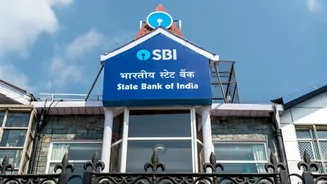
The banking sector demonstrated both resilience and evolving trends. Indian banks experienced strong performance, supported by double-digit growth and falling NPAs during 2024–25, according to RBI. Home loan interest rates provided a boost to affordability in 2025. Bank employees planned a nationwide strike on January 27 regarding the demand for a five-day work week. Several bank holidays were announced, with state-wise lists of bank closures issued for January 2026. ICICI Bank launched a capital gains account scheme to help taxpayers claim exemptions and earn interest. Additionally, the recent increase in personal loans with a 35% growth, reflects the expanding lending landscape.