








Food Myths Debunked
Many commonly held beliefs about food and nutrition are, at best, half-truths, and at worst, complete misinformation. It's crucial to dissect these pervasive
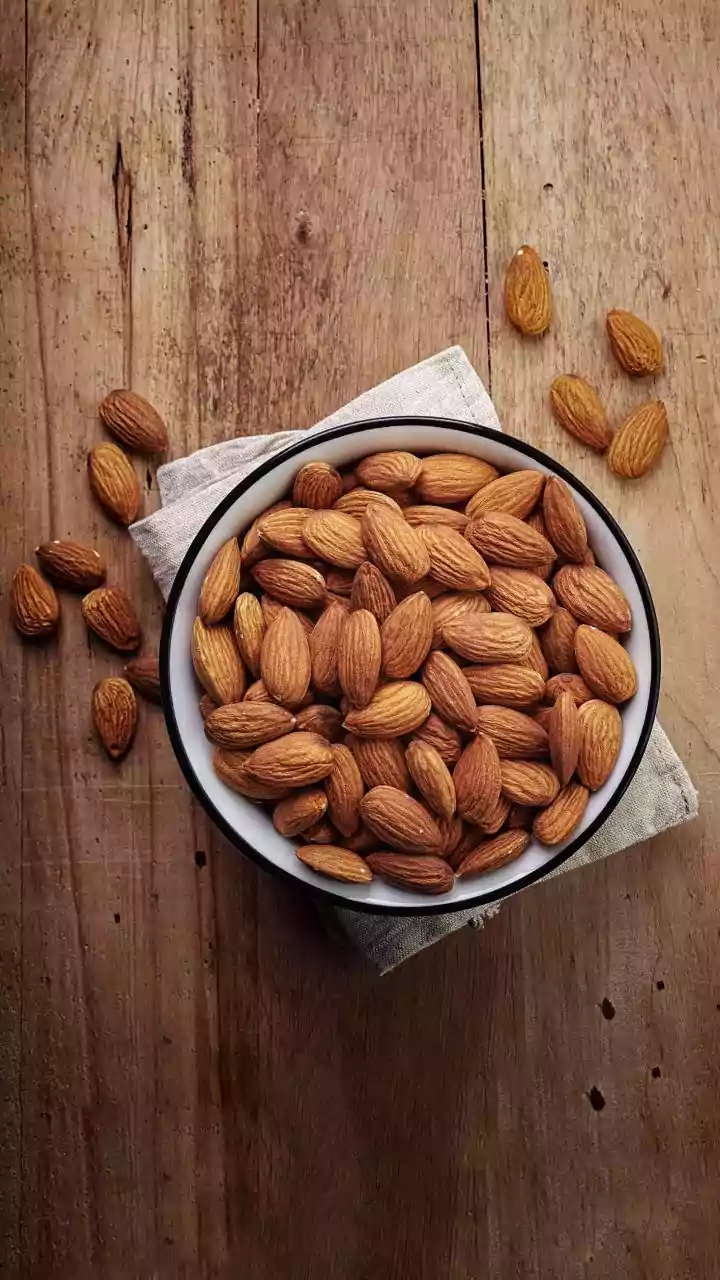
myths to make genuinely informed choices about what we consume. For instance, the idea that all fats are bad for you is a gross oversimplification; healthy fats found in nuts, seeds, and avocados are vital for bodily functions, including hormone production and nutrient absorption. Similarly, the notion that carbohydrates are inherently fattening ignores the crucial role they play as the body's primary energy source. Whole grains, fruits, and vegetables provide complex carbohydrates that are essential for sustained energy and are packed with fiber, aiding digestion and promoting satiety. We must also confront the myth that 'organic' always equates to 'healthier'; while organic farming practices may reduce pesticide exposure, the nutritional value can be comparable to conventionally grown produce. Understanding these nuances allows us to move beyond popular assumptions and embrace dietary patterns that truly support our well-being.
The Power of Hydration
Water is the most fundamental nutrient for life, yet its critical role in maintaining optimal health is often underestimated. Consuming an adequate amount of water daily is not just about quenching thirst; it's about enabling a multitude of physiological processes that keep our bodies functioning efficiently. Proper hydration is essential for regulating body temperature, lubricating joints, transporting nutrients to cells, and flushing out waste products and toxins. In the Indian climate, where temperatures can be high and humidity levels vary, staying well-hydrated becomes even more paramount. Dehydration, even mild, can lead to fatigue, headaches, impaired cognitive function, and decreased physical performance. It's also a significant factor in skin health, contributing to dryness and premature aging. Aiming for approximately 8 glasses of water (around 2 liters) a day is a good starting point, though individual needs can vary based on activity levels, climate, and overall health. Incorporating water-rich foods like fruits and vegetables can also contribute significantly to your daily fluid intake, ensuring you're consistently replenished.
Balanced Indian Diet
Crafting a truly balanced diet within the context of Indian culinary traditions requires a thoughtful approach that honors our heritage while incorporating modern nutritional science. The cornerstone of a healthy Indian diet lies in variety and moderation, drawing from the rich tapestry of grains, pulses, vegetables, fruits, and dairy products. Instead of relying heavily on refined grains like white rice and maida, emphasizing whole grains such as whole wheat, millets (bajra, jowar, ragi), and brown rice provides essential fiber, B vitamins, and minerals, promoting better digestion and sustained energy release. Legumes and lentils, a staple in Indian cuisine, are excellent sources of plant-based protein and fiber, crucial for muscle building and maintaining satiety. The abundant availability of diverse vegetables and fruits offers a spectrum of vitamins, minerals, and antioxidants vital for immune function and disease prevention. It's also important to be mindful of cooking methods, opting for steaming, grilling, or light sautéing over deep-frying to reduce unhealthy fat intake. Understanding portion control, especially with calorie-dense dishes, is key to maintaining a healthy weight and preventing lifestyle-related diseases.
Mindful Eating Practices
Beyond what we eat, how we eat plays an equally significant role in our overall health and digestion. Mindful eating is a practice that encourages us to pay full attention to the experience of eating and drinking, both internally and externally. This involves savoring each bite, noticing the textures, flavors, and aromas of our food, and recognizing our body's hunger and fullness cues without judgment. In our fast-paced lives, it's common to eat while distracted, leading to overconsumption and poor digestion. By slowing down, putting away distractions like phones and televisions, and truly engaging with our meals, we allow our digestive system to function optimally. This mindful approach helps us to better understand our body's signals, leading to a more intuitive approach to eating and a healthier relationship with food. It can also enhance the enjoyment of meals and foster a greater appreciation for the sustenance we receive.
Physical Activity Essentials
Integrating regular physical activity into our daily routines is as crucial for well-being as a balanced diet. Movement is not just about weight management; it's fundamental for cardiovascular health, strengthening bones and muscles, improving mood, and boosting overall vitality. For the Indian population, incorporating a mix of aerobic exercises, strength training, and flexibility work can yield comprehensive benefits. Activities like brisk walking, jogging, cycling, or swimming are excellent for cardiovascular fitness, helping to reduce the risk of heart disease and stroke. Resistance training, whether with weights, resistance bands, or bodyweight exercises, is vital for maintaining muscle mass, which naturally declines with age, and for supporting bone density, thereby preventing osteoporosis. Yoga and other flexibility exercises are invaluable for improving range of motion, reducing stress, and enhancing posture. The key is consistency; aiming for at least 150 minutes of moderate-intensity aerobic activity or 75 minutes of vigorous-intensity activity per week, complemented by muscle-strengthening activities on two or more days a week, forms a solid foundation for a healthier, more active lifestyle.