

Chemical Dyes' Hidden Toll
The growing awareness around product safety is reshaping how we approach hair colouring, shifting the focus from purely aesthetic outcomes to long-term
scalp and hair well-being. Traditional hair dyes often rely on potent chemicals, primarily ammonia and hydrogen peroxide, to achieve vibrant colour results. Ammonia's role is to forcibly lift the hair cuticle, creating an opening for the dye to penetrate. Following this, hydrogen peroxide acts as a bleaching agent, stripping the hair's natural pigment. This aggressive two-step process, while effective for immediate colour change, can significantly weaken the hair's structure. Studies indicate that this chemical onslaught can lead to substantial protein loss, estimated between 93% and 307%. The subsequent oxidation process also generates free radicals, causing irreversible damage that manifests as brittleness, a loss of natural shine, and increased susceptibility to breakage. Repeated exposure not only compromises the hair's integrity but also often leads to heightened scalp sensitivity, dryness, and a diminished overall vitality. The cumulative impact of these harsh chemicals can go unnoticed until significant damage has already occurred, prompting a closer look at their long-term effects, which may include scalp dysbiosis and concerns about hair thinning.
Ammonia & Peroxide's Greying Effect
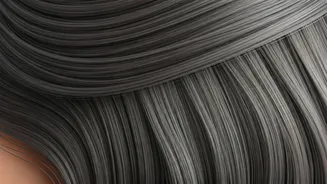
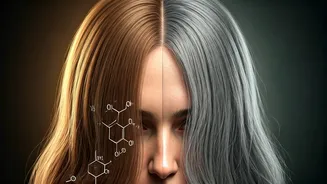
Beyond structural damage, the prolonged use of hydrogen peroxide in hair colouring formulations has a more insidious effect: it can actively accelerate the natural greying process. By disrupting the hair's natural melanin, the pigment responsible for hair colour, peroxide leads to a gradual thinning and loss of vitality. This chemical intervention essentially pushes the hair towards premature aging, making it appear grey faster than it naturally would. Ammonia, with its strong, pungent odour, is also a significant irritant, particularly for individuals who have sensitive scalps. When these two chemicals are used in tandem, as is common in many traditional hair dyes, they not only compromise the hair's immediate appearance and strength but also contribute to a faster decline in natural colour over time. The combination effectively degrades both the resilience and the inherent colour-holding capacity of the hair, creating a cycle of damage and premature aging that can be difficult to reverse without switching to gentler alternatives. This makes the choice of hair colouring a critical factor in maintaining not just hair health, but also its youthful appearance for longer.
Safer Colouring Innovations
In response to the escalating concerns surrounding chemical-induced hair damage and premature greying, a new generation of hair colouring solutions is emerging, prioritizing scalp health and long-term hair integrity. These advancements focus on ammonia-free and hydrogen peroxide–free formulations, designed to colour hair gently without aggressively altering its natural structure. Instead of forcing open the cuticle with harsh chemicals, these innovative alternatives work in harmony with the hair. They leverage advanced technologies, such as pH-controlled colouring systems that maintain an optimal pH range of 4.5-5.5 to protect cuticle integrity. Some formulations utilize plant-based pigments and nanotechnology for even colour deposition, ensuring vibrant results with minimal damage. Hybrid alkaline systems offer a gentler approach to lightening, using minimised peroxide concentrations. These formulations are crafted to deposit colour effectively while preserving the hair’s natural strength and moisture balance. By reducing scalp irritation and preventing the stripping of natural pigments, they help maintain hair’s softness, shine, and overall quality over extended periods, making them an ideal choice for frequent colourers seeking sustained hair health.
The Organic Advantage
The shift towards healthier hair dyeing practices has significantly boosted the appeal of organic and naturally derived hair colour options. Unlike conventional chemical dyes, which can cause cumulative structural damage and exacerbate greying, organic alternatives offer a nurturing approach. These products are typically formulated without harsh chemicals like ammonia, PPD, and hydrogen peroxide, adhering to a philosophy of minimising chemical exposure. Many are designed as gel-based formulations that deposit colour onto the hair shaft without stripping its natural strength or vitality. A key benefit is their ability to condition the hair while colouring, preserving the natural pH balance of the scalp (around 4.5-5.5) and supporting a healthy microbiome. This makes them suitable for frequent use, even for individuals with sensitive skin or those undergoing medical treatments where scalp health is paramount. By focusing on building hair health over time rather than just achieving an immediate aesthetic change, organic colours contribute to greater hair resilience, shine, and overall vibrancy. They represent a conscious choice for consumers who prioritize both beauty and long-term well-being, moving away from the damaging effects of traditional chemical treatments.