






The Body Under Siege
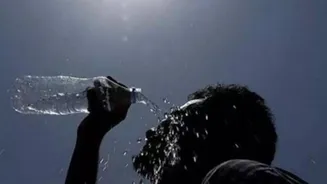
When ambient temperatures climb above 40°C, the human body faces a critical challenge. Research indicates that sustained internal temperatures at this
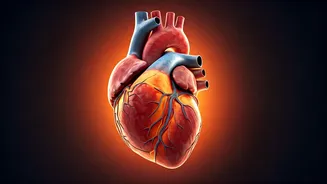
level can initiate a cascade of damaging effects at the cellular level. This extreme heat can directly lead to cell death, with blood components like platelets and granulocytes being particularly vulnerable, potentially triggering inflammatory responses and dangerous blood clots. Furthermore, the body's struggle to regulate its internal temperature under hyperthermia conditions leads to mitochondrial damage and oxidative stress, which are key drivers of organ dysfunction. The cardiovascular system bears a significant burden; to dissipate heat, the body increases its metabolic rate and heart rate, a strain that can be catastrophic for individuals with pre-existing heart conditions, leading to events like ischemic heart disease, strokes, and irregular heart rhythms. This increased circulatory demand means the heart must work much harder, pumping up to twice the usual volume of blood per minute to try and cool the body through the skin, exacerbating risks for those with cardiovascular, lung, or kidney issues, as well as the elderly and overweight.
WHO's Protective Protocols
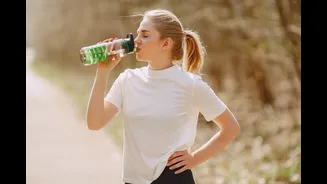
In response to the severe health implications of extreme heat, the World Health Organization (WHO) has outlined comprehensive protocols to mitigate heat-related illnesses. A cornerstone of these recommendations is maintaining a cool living environment. This involves implementing strategies like the 'night ventilation rule,' where windows are opened during cooler nighttime and early morning hours to allow heat to escape and cooler air to enter. During the day, it's crucial to block direct sunlight by closing shutters and windows, utilizing blinds, curtains, or even damp cloths to help cool indoor air. While electric fans offer some relief, their effectiveness diminishes significantly when temperatures exceed 35°C, and they may not be sufficient to prevent heatstroke. Therefore, monitoring indoor temperatures, aiming for below 32°C during the day and 24°C at night, is vital, especially for vulnerable groups like infants and the elderly. Staying hydrated is paramount; drinking fluids regularly, while avoiding dehydrating substances like alcohol and excessive caffeine or sugary drinks, is essential. The WHO also advises on appropriate clothing—light-colored, loose-fitting garments made from natural fibers like cotton, coupled with wide-brimmed hats when outdoors. Dietary adjustments are also recommended, suggesting small, frequent meals and avoiding high-protein foods that can increase metabolic heat production. Lastly, proactive cooling measures such as cool showers, cold compresses, or sponging with cool water can provide immediate relief.
Smart Movement & Recognition
Beyond maintaining a cool environment and staying hydrated, strategic movement and recognizing emergency signs are critical components of heatwave defense. It is strongly advised to avoid strenuous outdoor activities and any form of physical exertion during the hottest parts of the day, typically between late morning and late afternoon. If outdoor activity or labor is unavoidable, it should be confined to the cooler early morning hours, ideally between 4 am and 7 am. For those whose homes cannot be adequately cooled, spending a few hours in an air-conditioned public space, such as a library or shopping mall, can provide a safe refuge. Equally important is the ability to recognize the signs of a heat-related emergency. According to the WHO, symptoms like dizziness, anxiety, or an intense headache necessitate immediate relocation to a cool area and rehydration with water or fruit juice. However, more severe indicators such as hot, dry skin, confusion, delirium, convulsions, or unconsciousness require immediate medical attention. In such critical situations, call for an ambulance without delay, move the affected person to a cool place, lay them flat with their legs elevated, and initiate external cooling by applying cold packs to the neck, armpits, and groin. It's crucial not to administer paracetamol or aspirin. If the person becomes unconscious, they should be placed in the recovery position on their side. The WHO also emphasizes the importance of community support, urging individuals to check on elderly or sick neighbors living alone, as this social connection can be a vital lifeline during extreme weather events, especially with the intensification of heat due to urban heat island effects.