




A Quirky New Craze
The digital landscape of China is currently buzzing with a novel trend dubbed the 'plastic-eating' craze. Contrary to its provocative name, this phenomenon
does not involve the consumption of actual plastic. Instead, it signifies a burgeoning interest in highly processed foods that visually, tactilely, or even functionally resemble synthetic materials. While this might initially appear as an oddity, health authorities and nutrition experts are voicing concerns, suggesting it points towards deeper societal shifts in dietary habits and food perception. This trend invites us to question how far removed our food choices have become from their natural origins, prompting a re-evaluation of what we consume and its potential effects on our well-being over time. The allure of these engineered edibles extends beyond mere taste, encompassing their unique textures and the sheer novelty they offer, drawing consumers into an experience far removed from traditional eating.
Digestion's Artificial Hurdles
Ultra-processed foods undergo extensive manufacturing steps to enhance their appeal, extending shelf life and ensuring uniformity. However, these transformations significantly alter their natural composition, making them considerably harder for the human digestive system to process effectively. According to Ayurvedic principles, the body is inherently designed to digest foods in their most natural state. When food deviates significantly from its original form, the digestive mechanisms struggle to respond optimally. This digestive inefficiency can lead to the accumulation of toxins, a concept known in Ayurveda as 'ama.' Such build-up negatively impacts not only physical health but also diminishes energy levels and clouds mental clarity. Over time, consistent consumption of these processed items can manifest as sluggish digestion, persistent fatigue, erratic appetite patterns, and increased cravings for more of the same processed foods.
The Body's Natural Response
The primary concern surrounding the 'plastic-eating' trend isn't necessarily the ingredients themselves, but rather how the human body interprets and reacts to them. The artificial textures, abundant additives, and prolonged shelf stability often found in these foods are indicators of a diminished 'prana,' or life force, within the food itself. Our bodies are intrinsically wired to recognize and thrive on natural sustenance. As we move further away from natural food sources towards highly engineered alternatives, maintaining the body's inherent balance becomes increasingly challenging. What begins as a fleeting curiosity can gradually evolve into ingrained dietary habits. The body, however, does not adapt to fleeting trends; it responds to the consistency of what we feed it. Therefore, the long-term health consequences of prioritizing novelty and artificiality over natural, wholesome foods are a significant cause for concern.
Simplicity Sustains Health
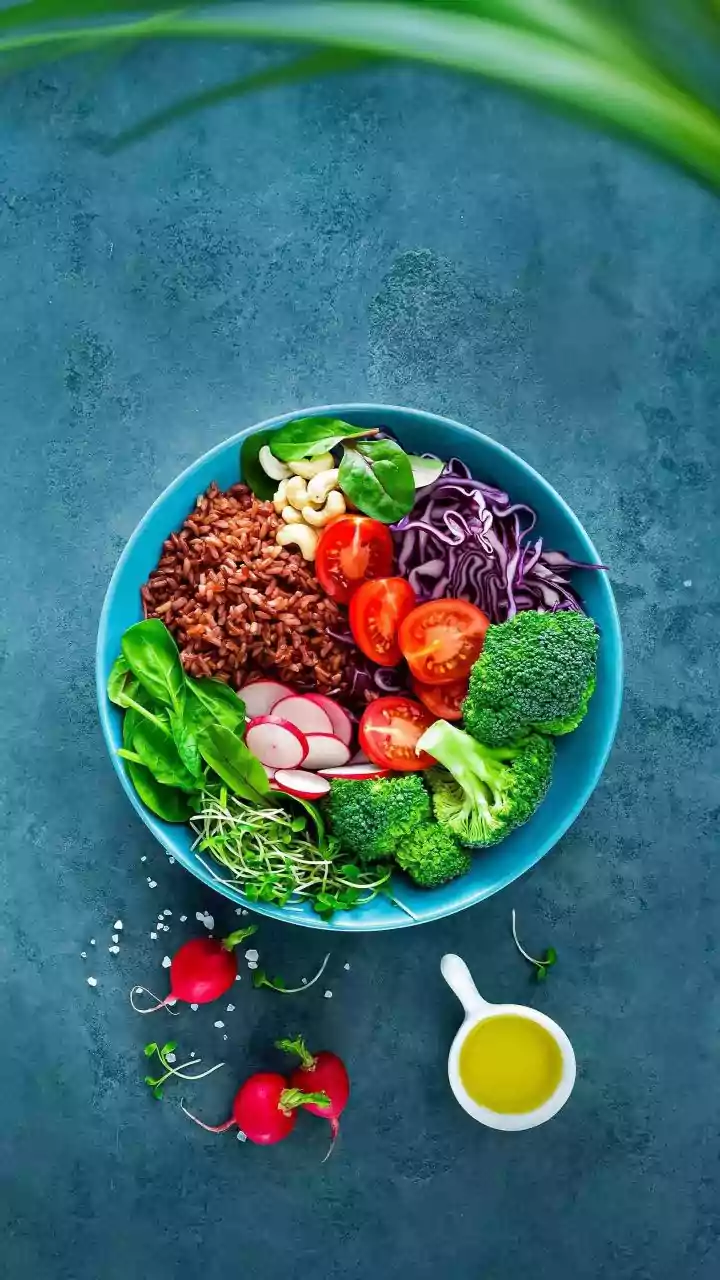
In stark contrast to the engineered allure of ultra-processed foods, fresh, minimally processed options offer superior benefits for digestion, energy, and overall bodily equilibrium. While these natural foods might not possess the same visual flair or viral potential on social media platforms, they align far more closely with the body's fundamental nutritional requirements. Simple, balanced meals are considerably more effective in supporting digestive processes than foods designed purely for novelty or extreme texture. The 'plastic-eating' trend, though seemingly extreme, serves as a potent symbol of a broader societal shift towards highly processed, artificial food experiences. Ultimately, what we consistently consume holds far greater sway over our long-term health than any fleeting internet trend, emphasizing the enduring value of natural, unprocessed nourishment.