



Screen Light's Silent Strike
The allure of screens before bed is a modern ritual, but the blue light emitted signals your brain that it's still daytime. This biological confusion delays
the release of melatonin, the crucial hormone that initiates sleep. Consequently, this leads to a shortened and diminished sleep cycle. Dr. Sharma highlights that exposure to light in the evening can elevate the risk of cardiovascular conditions by a substantial 30–50%. The heart thrives on a consistent rhythm, and electronic devices subtly disrupt this essential pattern, creating an unseen strain on your circulatory system.
Late Night Stimulation Overload
Evenings are often seen as a time to 'catch up' on tasks, but engaging in intense activities like late work calls, vigorous workouts, or even smoking can be detrimental. These actions trigger a surge in cortisol and stimulate the heart, keeping it in a heightened state. Dr. Sharma strongly advises against strenuous physical activity as the day winds down. Nicotine, in particular, is a significant culprit as it constricts blood vessels and escalates blood pressure. The World Health Organization (WHO) identifies tobacco use as a primary contributor to global cardiovascular diseases. When your body is subjected to such stimulation, it struggles to enter a state of relaxation and recovery.
The Cost of Sleep Procrastination
The seemingly minor act of delaying sleep – watching 'just one more' video or episode – accumulates significantly over time. Dr. Sharma emphasizes that persistent 'night-owl' sleep patterns are linked to an increased risk of heart attack or stroke by up to 16%. The American Heart Association (AHA) corroborates this, connecting inadequate sleep duration and irregular sleep schedules with elevated cardiovascular risks. Sleep is far from a passive state; it's when the heart undertakes vital repair processes. Compromising sleep duration directly diminishes the body's capacity for recovery and restoration.
Salty Snacks' Pressure Rise
Late-night cravings frequently lead individuals to reach for chips, namkeen, or other processed snacks, which are typically high in sodium. Dr. Sharma explains that consuming these salty treats prompts the body to retain water. This retention increases the overall volume of blood that the heart must pump, thereby elevating blood pressure at a time when it should naturally be decreasing. The impact extends beyond mere calorie intake; it directly influences the pressure exerted within your arterial system.
The Evening Recovery Paradox
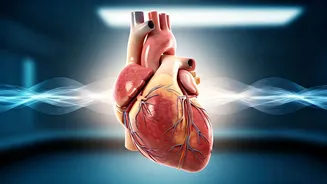
Evenings often feel like a period of harmless relaxation, marked by winding down work, screen engagement, snacking, and personal downtime. However, this is precisely when the heart begins its crucial recovery processes. Normal physiological changes include a dip in blood pressure and a steadying of heart rate as the body prepares for repair. Dr. VP Sharma, a leading cardiologist, clarifies that the body enters a circadian recovery phase after 7 pm, characterized by slowing metabolic activity. Disrupting this natural rhythm imposes undue stress on the cardiovascular system. The issue isn't what occurs during the day, but rather the continuation of stimulating activities well past the point they should cease.
Alcohol's Deceptive Sleep Aid
Alcohol is often wrongly perceived as a sleep aid due to its initial drowsy effect. However, its consumption leads to fragmented and poor-quality sleep. Dr. Sharma warns that while it induces sleepiness, alcohol disrupts the natural sleep cycle and can trigger cardiac arrhythmias. These irregular heart rhythms, particularly when occurring at night, may go unnoticed for extended periods. Alcohol is recognized as a risk factor for hypertension and heart disease, meaning while your mind might fall asleep, your heart remains in a state of unrest.
Heavy Dinners' Digestive Strain
The evening meal is frequently the day's largest, and this timing can initiate significant problems. Digesting a heavy meal late at night forces the body to divert resources to the digestive system when it should be entering a restorative phase. This increased demand on digestion means the heart has to work harder, disrupting the natural nighttime decrease in blood pressure. Dr. Sharma notes that eating within two to three hours of bedtime can negatively impact blood pressure regulation and glucose metabolism overnight. Studies indicate that late-night eating is associated with a higher risk of obesity and poorer metabolic health. Opting for lighter, earlier dinners is not about restrictive dieting but about allowing your heart the rest it requires.
Caffeine's Lingering Stimulus
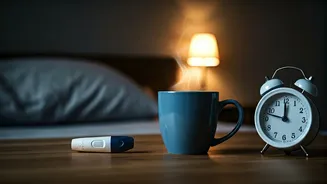
Enjoying a cup of coffee or tea in the evening might seem like a comforting ritual, but caffeine's stimulating effects linger much longer than commonly believed. It activates the nervous system, elevates heart rate, and delays the onset of sleep. The consequence of this sleep deprivation is an increase in blood pressure the following day. The US Food and Drug Administration (FDA) states that caffeine can remain in your system for up to six hours or more. Therefore, a 7 pm coffee could still be influencing your body at midnight, preventing your heart from fully switching off and recuperating.