







Alcohol's Lingering Shadow
Alcohol consumption remains a significant concern for liver health, with a concerning rise in binge drinking and earlier initiation of alcohol use contributing
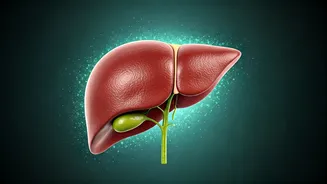
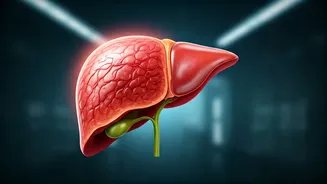
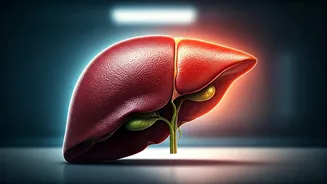
to a surge in alcohol-related liver diseases. Continuous intake of alcohol directly inflicts damage upon liver cells, initiating a cascade of inflammatory responses, leading to fibrosis (scarring), and ultimately culminating in irreversible cirrhosis. This well-established pathway highlights the direct toxicity of alcohol on this vital organ, underscoring the importance of moderation or complete abstinence to safeguard liver function and prevent severe, life-threatening conditions. The damage isn't immediate but a gradual deterioration that can have profound long-term consequences on an individual's well-being and longevity.
The Rise of MASLD
Beyond alcohol, a parallel and equally alarming trend is the emergence of metabolic dysfunction-associated steatotic liver disease (MASLD), formerly known as non-alcoholic fatty liver disease. This condition is not linked to alcohol intake but is intrinsically tied to modern lifestyle choices. Factors such as a diet rich in processed foods and high-calorie items, coupled with a largely sedentary existence marked by minimal physical activity, significantly contribute to its development. Gradual weight accumulation and increasing levels of obesity further exacerbate the problem. Furthermore, pre-existing health issues like diabetes and metabolic imbalances, along with disrupted sleep patterns and persistent stress, play crucial roles in fostering MASLD, presenting a multi-faceted challenge to liver well-being in non-drinkers.
The Silent Progression
A critical distinction between alcohol-related liver damage and MASLD lies in their progression. While alcohol-induced issues may present more overt signs over time, MASLD often advances silently and insidiously. Many individuals remain completely unaware of their condition until it is accidentally discovered during routine medical examinations or until it escalates to the point of causing serious complications. This stealthy nature makes MASLD particularly perilous, as early intervention, which is key to managing many health conditions, is often missed. The widespread adoption of unhealthy eating habits and a decline in regular exercise among both urban and semi-urban populations are placing immense metabolic strain on the liver, leading to significant damage even in those who abstain from alcohol.
Holistic Liver Protection
The understanding of liver disease has evolved; it's no longer solely attributed to alcohol. Both alcohol consumption and lifestyle factors are recognized as independent yet often compounding risks for liver health. Even moderate alcohol intake can amplify the damage when coexisting with obesity or diabetes. Therefore, safeguarding liver health necessitates a comprehensive and integrated approach. This includes not only curbing alcohol intake but also embracing a balanced diet, committing to regular physical activity, and making proactive health check-ups a priority. While the liver possesses a remarkable capacity for regeneration and healing, this ability is contingent upon consistent support through healthy lifestyle choices and diligent medical oversight.