






A New Era Dawns
India has taken a significant stride towards a sustainable future with the introduction of its very first hydrogen-powered cooking stove. This innovative
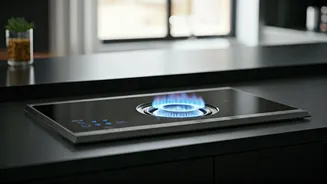
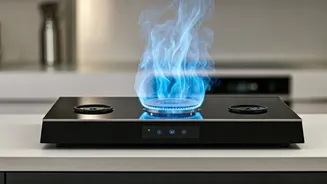
appliance, available as a plug-and-play unit, operates entirely on green hydrogen, which is generated through the electrolysis of water. Priced at ₹1,50,000, this "Made-in-India" marvel presents a compelling zero-emission alternative to the ubiquitous liquefied petroleum gas (LPG) cylinders that have long powered Indian kitchens, both domestic and commercial. The launch signifies a pivotal moment for the nation's renewable energy sector, potentially heralding an end to the reliance on fossil fuels for cooking. Unlike conventional LPG stoves that combust fossil fuels, this new cooker features a catalytic burner that efficiently burns hydrogen, marking a fundamental shift in our energy consumption model for culinary activities. The tabletop unit, constructed from stainless steel, boasts a double burner system for effective heat distribution, ensuring a consistent and powerful cooking experience, albeit through an entirely transformed internal mechanism compared to gas stoves.
The Hydrogen Advantage
The core of this revolutionary cooking technology lies in its efficient utilization of hydrogen, generated cleanly from water. The stove employs a catalytic burner that facilitates the combustion of hydrogen, resulting in a cooking process that is remarkably clean. This system allows for an adjustable gas flow, regulated to ensure a consistent and near-zero consumption rate, maximizing efficiency. A key benefit of this technology is its complete absence of harmful emissions; cooking with hydrogen produces zero carbon dioxide (CO₂), zero carbon monoxide (CO), and no visible smoke. This dramatically improves indoor air quality and contributes to a healthier environment. Furthermore, the appliance has been meticulously engineered for indoor use, operating with exceptional quietness and minimal vibration, thereby eliminating the noise and disturbances often associated with industrial fuel-based appliances, making it a much more pleasant addition to any kitchen space.
Beyond Home Cooking
While the hydrogen cooking stove is initially positioned as a domestic solution, its underlying technology holds immense potential for broader, strategic applications. The modular design allows for scalability, making it suitable for larger environments and pilot projects focused on clean energy. Potential applications currently being explored include high-volume cooking in community kitchens and canteens, where the absence of carbon emissions is a significant advantage. For defense forces and operations in remote locations, it offers a pathway to fuel sovereignty, providing a reliable energy source independent of LPG access. Research institutions are also investigating hydrogen as a standard energy source, and this technology could be instrumental in those endeavors. The ability to scale this clean energy solution beyond residential use highlights its versatility and its role in advancing India's green energy objectives across various sectors.
Ensuring Safety Protocols
Recognizing the inherent nature of hydrogen, manufacturers have integrated a robust, multi-tier safety architecture into the appliance's design. To mitigate risks associated with hydrogen's volatility, several critical safety features have been incorporated. Flame arrestors are a key component, designed to minimize the potential for backfire and ensure the stability of the flame during operation. Automated pressure control systems are in place to maintain a consistent and safe delivery of fuel to the burner, preventing sudden surges or drops in pressure. Additionally, all valve components have been specifically designed to be compatible with hydrogen, significantly reducing the risk of leaks. These comprehensive safety measures are crucial for building user confidence and ensuring the secure adoption of this novel cooking technology, making it as reliable as it is revolutionary.
Investment in Innovation
The advent of India's first hydrogen cooking stove, while groundbreaking, comes with a significant price tag. Currently retailing at ₹1,50,000, this appliance is positioned as a premium product, primarily targeting organizations and government-led pilot programs rather than the average household. This pricing reflects the advanced technology and the initial stages of market penetration for such an innovative solution. While it is not expected to replace traditional LPG cylinders in every Indian home in the immediate future, the introduction of this technology marks a monumental achievement for India's National Green Hydrogen Mission. The broader adoption of hydrogen-based cooking solutions will ultimately hinge on the long-term sustainability of hydrogen production, cost efficiencies in manufacturing, and the continued development of related infrastructure, paving the way for a cleaner energy future.