



Keoladeo's Avian Spectacle
Keoladeo National Park in Rajasthan stands as a paramount destination for bird lovers in India. This renowned sanctuary, situated in Bharatpur, is a vibrant
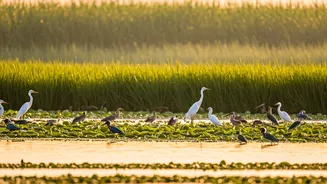
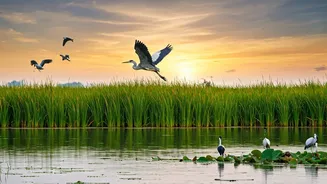
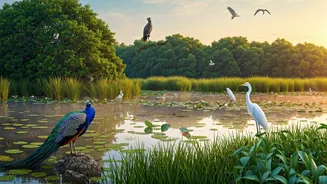
ecosystem that provides a sanctuary for over 350 distinct bird species. During the cooler months of winter, the park transforms into a bustling hub as migratory birds undertake their journeys from distant lands like Central Asia and Siberia. Visitors can anticipate the majestic sight of pelicans, elegant cranes, and a variety of duck species gracing its waters and skies. The park's diverse landscape, featuring a intricate network of marshes, verdant woodlands, and open grasslands, creates an ideal environment suitable for both novice birdwatchers and seasoned ornithologists. This carefully managed wetland ensures a rich and rewarding experience for everyone who visits, making it a must-see on any birding itinerary.
Chilika's Coastal Wonders
Chilika Lake, an immense brackish lagoon gracing the coastline of Odisha, holds the distinction of being India's largest coastal wetland. This expansive natural wonder becomes a vital wintering ground for an astonishing number of migratory birds, with hundreds of thousands descending upon its waters each year. Birdwatchers can marvel at the vibrant plumage of species like flamingos, graceful pintails, and numerous gull varieties that find refuge here. At the heart of Chilika's avian richness lies the Nalabana Bird Sanctuary, an island that is reclaimed by birds during the low-tide season and is recognized as a prime birding hotspot within the larger lake system. Its unique blend of saline and freshwater influences supports a remarkable biodiversity, making it a crucial stopover for migratory feathered travelers.
Sultanpur's Winter Haven
Nestled a short distance from the bustling metropolises of Gurugram and Delhi, Sultanpur National Park offers a conveniently accessible yet profoundly rewarding birdwatching experience. This relatively compact wetland transforms into an absolute paradise for migratory avian visitors as winter blankets the region. The park's tranquil waters and surrounding vegetation become a temporary home for a dazzling array of species that journey from afar. Among the frequently sighted visitors are the iconic Siberian cranes, large rosy pelicans, and a variety of storks and herons, each adding to the park's rich tapestry of birdlife. Sultanpur's accessibility makes it an excellent choice for day trips, providing a delightful escape into nature's embrace for urban dwellers seeking avian encounters.
Loktak's Floating Islands
Loktak Lake, located in the scenic state of Manipur, proudly holds the title of the largest freshwater lake in Northeast India. Its fame stems not only from its expansive water body but also from its unique floating islands, locally known as 'phumdis'. These self-sustaining masses of vegetation and soil create a surreal landscape that is a vital habitat for a multitude of waterbirds and migratory species. Adding to its ecological significance, Loktak Lake is situated in close proximity to the Keibul Lamjao National Park, an area of global renown as the world's only floating national park. This remarkable environment supports a diverse avian population, making Loktak a distinctive and captivating destination for bird enthusiasts.
Kolleru's Pelican Paradise
Strategically positioned between the fertile basins of the Krishna and Godavari rivers in Andhra Pradesh, Kolleru Lake stands as an indispensable habitat for several significant bird species. This large freshwater lake is particularly vital for populations of pelicans, painted storks, and the distinctive openbill storks, providing them with ample feeding grounds and nesting opportunities. As the winter season arrives, Kolleru Lake undergoes a remarkable transformation, evolving into a dynamic and bustling bird refuge. Thousands of migratory birds, drawn by the lake's rich resources, join the resident avian community, creating a vibrant spectacle of biodiversity. Its ecological importance ensures a consistent flow of avian life throughout the year, making it a crucial ecological corridor.
Deepor Beel's Aquatic Life
Located on the outskirts of Guwahati in Assam, Deepor Beel is a significant permanent freshwater lake that plays a crucial role in the ecological balance of the Brahmaputra valley. This important wetland ecosystem is a magnet for a diverse array of migratory waterfowl, drawing them in with its abundant food sources and suitable habitat. Birdwatchers visiting Deepor Beel can look forward to spotting a fascinating variety of species, including brilliantly colored kingfishers, stately storks, and numerous types of ducks that frequent its waters. The wetland's year-round presence of water ensures a consistent environment for both resident and visiting birds, making it a valuable natural asset for the region and a point of interest for ornithological exploration.
Pulicat's Flamingo Shores
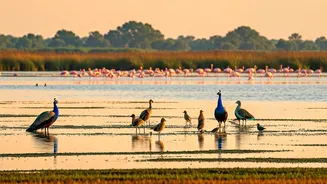
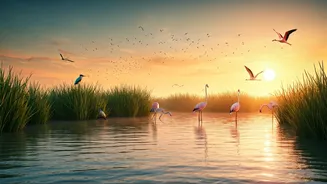
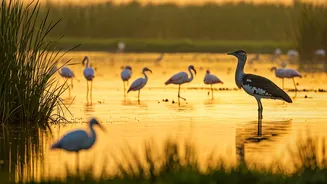
India's second-largest brackish-water lagoon, Pulicat Lake, extends along the picturesque coast of the Bay of Bengal, straddling the states of Andhra Pradesh and Tamil Nadu. This expansive lagoon is particularly celebrated for the spectacular congregations of flamingos that frequently gather along its shores, creating a breathtaking visual display of vibrant pink against the water. The surrounding environment, characterized by its expansive marshes and scattered sandbars, provides an exceptionally rich feeding ground for a multitude of waterbirds. These conditions foster a thriving ecosystem that supports a wide range of avian species, making Pulicat Lake a prime location for observing coastal birdlife and enjoying the spectacle of these iconic wading birds.
Harike's Riverine Sanctuary
Formed at the significant confluence where the Beas and Sutlej rivers meet in Punjab, Harike Wetland stands as one of North India's most vital and extensive wetlands. This expansive body of water is a critical stopover and wintering ground for a vast number of migratory birds, making it a highly significant ecological site. During the winter months, the wetland teems with activity as species like the striking bar-headed geese, energetic coots, and various species of diving ducks make their presence known. The confluence of these two major rivers creates a unique habitat that supports a rich food web, attracting a diverse avian population and offering excellent opportunities for birdwatching enthusiasts to witness these species in their natural environment.
Vembanad's Wetland System
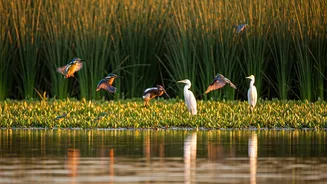
Vembanad Lake, an integral part of the larger Vembanad–Kol wetland ecosystem in Kerala, is one of India's longest lakes and a crucial biodiversity hotspot. This expansive lake system is not only a lifeline for the local communities but also a significant habitat supporting a wide array of both resident and migratory bird species. The famed Kumarakom Bird Sanctuary, a well-established and popular birdwatching destination, is situated within this wetland system, attracting numerous visitors eager to observe avian life. The diverse habitats within Vembanad Lake, ranging from open waters to mangrove fringes, provide varied ecological niches that cater to different bird species, contributing to its remarkable avian richness and ecological importance.
Nal Sarovar's Winter Flock
Located near the vibrant city of Ahmedabad in Gujarat, Nal Sarovar Bird Sanctuary is a tranquil shallow wetland that becomes a spectacle of avian activity during the winter months. This popular sanctuary is renowned for its impressive winter bird populations, drawing in a multitude of species seeking warmer climes and abundant food sources. Visitors can expect to witness large gatherings of flamingos, majestic pelicans, graceful cranes, and a wide variety of waterfowl that flock to the lake. The sheer abundance and diversity of birds make Nal Sarovar one of western India's most rewarding and popular birdwatching destinations, offering a truly immersive experience in nature's grand avian theater.