


Mindful Eating Essentials
Mindful eating is a practice that can change your relationship with food. The idea is to develop awareness, and to appreciate the food that you eat. Before
you begin, remove yourself from distractions; turn off the TV, put down your phone, and make sure that you are focused solely on your meal. Pay attention to how your food looks, smells, and tastes. Consider the journey the food has taken to get to your plate, from its origins to preparation. Chew your food slowly, savoring each bite, and be aware of your body's hunger and fullness cues. Listen to your body and recognize when you are full. Mindful eating also helps you to avoid emotional eating by helping you identify when stress or boredom might be the real reasons behind your desire to eat. This awareness enables you to find healthier ways to cope with these feelings.
Balanced Meal Planning
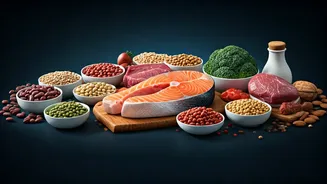
Creating balanced meals is crucial for optimal health, and the focus should be on a mix of all the essential nutrients. A balanced meal typically includes a combination of complex carbohydrates, lean proteins, and healthy fats, with fruits and vegetables. Complex carbohydrates, like whole grains, provide sustained energy, while lean proteins, such as chicken or legumes, support muscle growth and repair. Healthy fats, found in sources like avocados and nuts, are essential for brain function and overall well-being. Fruits and vegetables offer essential vitamins, minerals, and fiber, contributing to overall health. Meal planning can be made easier by preparing a weekly menu and shopping list, making meal preparation more efficient. Consider portion sizes, ensuring you consume appropriate amounts of each food group to meet your individual needs. By focusing on balanced meals and careful planning, you can make healthy eating a consistent and enjoyable part of your routine. Remember, there is no need to drastically change your eating habits all at once, instead, make small, incremental changes.
Smart Food Choices
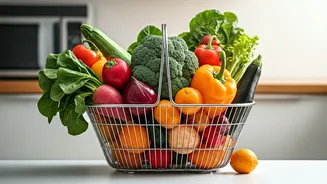
Making smart food choices is a cornerstone of a healthy diet, and involves focusing on nutrient-dense foods while minimizing processed options. Nutrient-dense foods, like fruits, vegetables, whole grains, lean proteins, and low-fat dairy, are packed with vitamins, minerals, and other essential nutrients. Conversely, you should limit your intake of processed foods, which often contain high levels of added sugars, unhealthy fats, and sodium, and have little nutritional value. When shopping, always read food labels carefully to identify hidden sugars, unhealthy fats, and excessive sodium content. Prioritize whole, unprocessed foods like fresh produce, lean proteins, and whole grains. You can also prepare meals at home, which gives you complete control over the ingredients and portion sizes. Opt for healthy cooking methods, like baking, grilling, steaming, or stir-frying, over deep frying. By making informed choices, you can improve the nutritional quality of your diet and support your overall well-being.
Hydration and Snacking
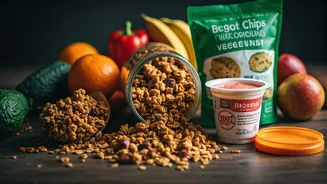
Staying hydrated and making smart snack choices are essential elements of a healthy eating plan. Water plays a crucial role in overall health, supporting bodily functions, and regulating body temperature, so be sure to drink at least eight glasses of water throughout the day. You can also hydrate by eating fruits and vegetables with high water content, like cucumbers, watermelons, and spinach. Healthy snacks can bridge the gap between meals, keeping you energized and preventing overeating. You should choose snacks that are high in fiber, protein, or healthy fats, as they will provide sustained energy. Good snack options include fruits, vegetables, nuts, seeds, yogurt, and hard-boiled eggs. Avoid snacks high in sugar, sodium, and unhealthy fats, as they can lead to energy crashes and increased cravings. Planning your snacks in advance will help you avoid impulse choices and stick to your healthy eating goals. By staying hydrated and choosing nutritious snacks, you'll support your overall health and well-being.