





Ovulation Isn't Fixed
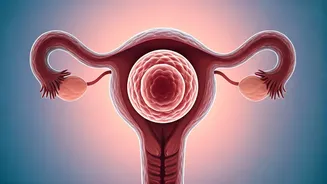
A pervasive myth suggests ovulation precisely occurs on day 14 of a menstrual cycle. While this holds true for a theoretical 28-day cycle, real bodies
are far more varied. Individual cycles can range from 24 to over 30 days, and external factors like stress, travel, illness, and even sleep disruptions can shift ovulation timing. Relying solely on the 'day 14 rule' can inadvertently lead couples to miss their fertile window. To achieve a more accurate understanding of when conception is most likely, consider methods such as tracking cervical mucus changes, utilizing ovulation predictor kits, or observing your cycle patterns over several months.
Conception Takes Time
A quiet, often unspoken, expectation among couples is that pregnancy should happen almost immediately after discontinuing contraception. However, the reality for many is that conception is a gradual process. Scientific data indicates that even for healthy couples, it can take several months of regular, unprotected intercourse to achieve pregnancy. Fertility is a complex interplay of multiple biological factors, including the release of healthy eggs, optimal sperm quality, balanced hormones, and precise timing. Therefore, patience is frequently an essential component of the journey towards parenthood.
Positions Don't Matter
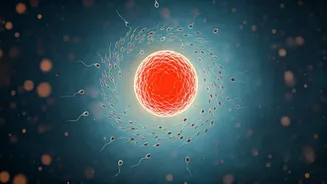
Whispered advice often circulates among friends, suggesting that specific sexual positions can significantly boost the chances of getting pregnant. Some theories propose that certain positions help sperm reach the egg more rapidly, while others advocate for remaining still after intercourse. In truth, sperm are remarkably adept swimmers and embark on their journey through the cervical mucus towards the fallopian tubes immediately after ejaculation. While positions might enhance comfort during intimacy, they have a negligible impact on the biological process of conception. The critical factor remains timing intercourse strategically around the period of ovulation.
Stress Isn't Sole Blocker
The common advice to 'just relax' is often given to couples trying to conceive, implying that stress is the primary impediment to pregnancy. While significant or prolonged stress can impact overall health and, in some instances, hormonal balance, everyday pressures from work or daily life are rarely the sole reason for conception delays. This myth can unfairly burden couples, leading them to believe that their stress levels are preventing a pregnancy. In reality, fertility is a multifaceted process, and stress is only one minor element within a much larger biological framework. Prioritizing emotional well-being, rest, and support is beneficial, but conception is not merely a consequence of achieving a perfectly relaxed state.
Youth Isn't Guarantee
While age certainly influences fertility, with younger reproductive systems generally offering higher conception rates, advanced age does not automatically preclude pregnancy, nor does youth guarantee immediate conception. Many couples express surprise when conception takes time, despite being young and healthy. Fertility is influenced by more than just age; it's also deeply connected to overall reproductive health for both partners. Recognizing this can encourage couples to seek professional guidance when needed, rather than assuming youth equates to effortless conception.
Regular Periods Aren't All
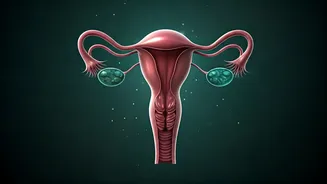
Having regular menstrual cycles is often perceived as a definitive sign of perfect fertility. However, this is an incomplete picture. Conception is also heavily reliant on egg quality, the patency of the fallopian tubes, sperm health, and the intricate balance of hormones. A person might experience predictable cycles and still encounter challenges in getting pregnant. This is why comprehensive fertility assessments typically involve a range of tests, extending beyond just tracking menstrual patterns. Regular periods are a valuable indicator, but they represent only one piece of a much larger reproductive puzzle.