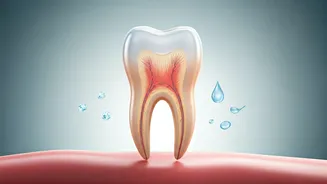







Foundation of Oral Health
Flossing is the unsung hero of oral hygiene, diligently working in the tight spaces that toothbrushes simply cannot reach. Its primary role is to dislodge
food particles and eradicate plaque buildup, a sticky film teeming with bacteria. When left unchecked, this plaque hardens into tartar, a major precursor to gum diseases like gingivitis and its more severe form, periodontitis. Maintaining the health of your gums is paramount, and flossing serves as the most accessible and effective method to safeguard them, laying the groundwork for a healthy mouth. It's a critical step in preventing the chain reaction that leads to more serious dental issues.
Guarding Against Decay
Many tooth cavities originate in the narrow gaps between teeth, areas notoriously difficult for toothbrush bristles to penetrate. Flossing effectively sweeps away trapped food debris and lingering bacteria from these vulnerable spots, significantly reducing the likelihood of enamel erosion and the formation of cavities. By ensuring these hidden surfaces are clean, flossing plays a vital role in preserving the integrity of your teeth and preventing decay from taking hold, contributing to a more robust and complete oral defense.
Banishing Bad Breath
Persistent halitosis, or bad breath, is often a direct consequence of odor-producing bacteria accumulating in the interdental spaces. Flossing actively removes these unwelcome bacterial colonies and decaying food particles, which are the primary culprits behind unpleasant mouth odors. Regularly incorporating flossing into your routine ensures that these smell-generating elements are eliminated, leading to consistently fresher breath and boosting your social confidence during conversations and interactions.
Supporting Cardiovascular Wellness
A growing body of scientific evidence points to a significant connection between the health of your gums and the well-being of your heart. When gums become inflamed or infected due to poor hygiene, the bacteria responsible can easily infiltrate the bloodstream. Once in circulation, these microbes can contribute to systemic inflammation and accelerate the buildup of plaque within arteries, a key factor in cardiovascular disease. By diligently preventing gum disease through flossing, you are indirectly but effectively contributing to the maintenance of a healthier cardiovascular system.
Mitigating Diabetes Complications
Individuals managing diabetes are particularly susceptible to gum infections, and these oral health issues can, in turn, complicate blood sugar control. Chronic inflammation in the gums can make it more challenging to regulate glucose levels effectively. Flossing helps to combat this inflammation by removing harmful bacteria, thereby supporting a more stable environment for diabetes management and contributing to better overall health outcomes for those with the condition.
Defending Respiratory Health
The bacteria residing in the mouth have the potential to travel to the lungs, posing a risk for respiratory ailments. In individuals with existing conditions like pneumonia or chronic bronchitis, this oral bacteria migration can exacerbate symptoms or lead to more severe infections. By reducing the overall bacterial load in the mouth through regular flossing, you minimize the chance of these pathogens reaching the lungs, thereby lowering the incidence of respiratory tract infections and promoting clearer breathing.
Boosting Immune Function
A persistent oral infection, such as chronic gum disease, places a considerable and continuous strain on the body's immune system. Your defenses are constantly engaged in an uphill battle against the bacteria thriving in the inflamed gum tissues. Flossing significantly alleviates this constant demand on your immune system by clearing out the source of infection. This allows your immune defenses to redirect their energy and focus towards protecting the rest of your body against other pathogens and threats.
Enhancing Digestive Processes
The entire digestive process begins with mastication, the act of chewing, which requires healthy teeth and robust gums. When your oral structures are compromised by gum disease or tooth loss, the initial breakdown of food is less efficient. This can lead to suboptimal digestion and reduced nutrient absorption. By preserving the health of your teeth and gums through flossing, you ensure that food is properly prepared for the digestive tract, indirectly promoting better nutrient uptake and overall digestive well-being.
Preserving Cognitive Acuity
Emerging research suggests a potential link between the inflammatory processes associated with gum disease and the decline of cognitive functions. The chronic inflammation triggered by oral bacteria may extend to the brain, potentially impacting neurological health. Flossing plays a role in mitigating this risk by keeping the oral environment clean and reducing the presence of harmful bacteria, thereby helping to protect against the inflammatory factors that could affect brain health over time.
Elevating Self-Assurance
Beyond the extensive list of physiological advantages, the act of flossing contributes significantly to a more aesthetically pleasing smile and a fresher mouth. These visible improvements, coupled with the reduction in bad breath and the appearance of healthier gums, can lead to a substantial boost in self-esteem. This enhanced confidence often translates into more positive and comfortable social interactions, allowing individuals to engage more freely and assertively in their daily lives.