





Coorg's Culinary Identity
From the verdant hills of Coorg, actor Rashmika Mandanna proudly represents her Kodava heritage, a community known for its distinctive and hearty cuisine.
She highlighted in a conversation that the essence of authentic Coorgi food is deeply intertwined with the consumption of pork. A fascinating aspect of their culinary tradition is the homemade wine, a staple in almost every household. Mandanna revealed that enjoying two pegs of this homemade wine before sleep is a customary practice, believed to aid in restful sleep and offer cardiovascular benefits. This practice underscores the integral role of wine, not just as a beverage, but as a health-promoting element within their daily rituals and familial customs, making it a significant part of their cultural identity.
Hearty Flavors & Ingredients
Chef Harsh Shodhan, founder of The Gourmet Kitchen & Studio, aptly describes Coorgi cuisine as a testament to how simplicity can yield a profoundly strong culinary identity. The foundation of these dishes is built upon readily available, everyday ingredients such as rice, coconut, fragrant curry leaves, and aromatic spices like pepper and cardamom. However, the true magic lies in the artful balance of these flavors, creating a signature taste profile. The cuisine originates from the Kodava community, and its character is distinctly shaped by the region's lush, plantation-rich landscape and its historical legacy as a warrior community. This background has led to meals that are not only substantial and practical but also incredibly nourishing, reflecting a deep connection to the land and its people.
The Tangy Signature
A defining characteristic of Coorgi cuisine is its inherent earthiness, often complemented by a sharp, distinctive tang. This unique flavor profile is frequently attributed to kachampuli, a locally produced vinegar that imparts a special character to the dishes. The cooking process itself is deliberate and slow, allowing the natural flavors to develop and meld beautifully without relying on complex or intensive culinary techniques. This mindful approach to cooking ensures that each dish retains its authentic taste and character, reflecting a deep respect for the ingredients and a tradition of patience in the kitchen. The intentionality behind the preparation is as vital to the cuisine as the ingredients themselves.
Nutritional Powerhouse
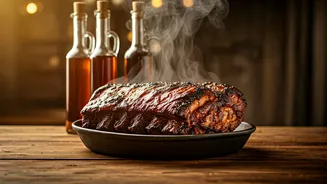
Coorgi meals are inherently protein-rich, a direct result of traditional recipes that prominently feature meat, primarily pork and chicken. Beyond the protein, the spices used in these dishes offer valuable antioxidant and anti-inflammatory properties, contributing to overall health. Furthermore, fermented elements like kachampuli play a crucial role in promoting digestive well-being, aligning with the wholesome nature of the cuisine. While dishes often include fatty cuts of meat and preserved components, leading to potentially high levels of saturated fats and sodium, the nutritional balance can be achieved. Veena V, Chief Clinical Dietician, suggests that when consumed with appropriate portions of rice and vegetables, and with fat intake maintained at a controlled level, Coorgi cuisine becomes both nutritious and deeply satisfying.
Traditional Dishes Evolved
Iconic dishes like Pandi Curry, best enjoyed with Kadumbuttu or Noolputtu, perfectly embody the simplicity and profound depth of Coorgi culinary traditions. These dishes are described as "honest food that stays with you," indicating their lasting impression and comforting nature. The culinary practices of the Kodava community are deeply rooted in their history as agricultural soldiers, leading to the development of protein-rich meals designed to fuel an active lifestyle. While contemporary influences and ingredient availability have introduced some adaptations, the core essence of these traditional recipes remains, with many continuing to be passed down through generations for significant celebrations and family gatherings, preserving their cultural importance.