






Whole Melon Magic
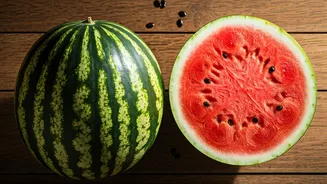
When you bring home a whole watermelon, the best place for it isn't the refrigerator. Instead, find a cool, shaded spot at room temperature. This allows
the melon to retain its natural sweetness and juiciness for an extended period, typically between 7 to 14 days. Avoid direct sunlight, as this can degrade its quality. Ideal locations include a pantry or a less-trafficked corner of your kitchen. Storing whole melons in the fridge can actually dull their flavor and make the flesh firmer than desired. It’s also beneficial to place them on a breathable surface, like a mat, rather than plastic, to prevent moisture from accumulating. Regularly check the melon for any soft patches, and use the 'thump test' – a deep, hollow sound indicates ripeness – to ensure you’re enjoying it at its best.
Sliced Melon Savvy
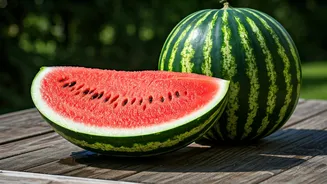
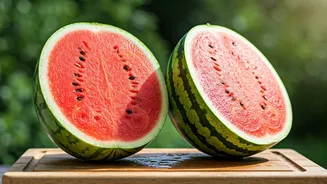
Once you've cut into your watermelon, the clock starts ticking a bit faster. To maintain the freshness of cut pieces, it's crucial to refrigerate them promptly. Store them in an airtight container or wrap them tightly with plastic wrap. This barrier is essential for preventing exposure to air and potential bacterial contamination, which can lead to spoilage and a loss of crispness. When storing, opt for shallow containers as they allow for more even cooling. If you have multiple slices, consider placing parchment paper between them to prevent them from sticking together and becoming overly moist. Properly stored cut watermelon can remain fresh for up to 5 days when kept at a temperature between 4°C and 9°C. This method is particularly vital during humid summers to quickly combat sogginess.
Cooling Melon Tricks
For those exceptionally hot summer days, there are additional ingenious methods to keep your whole watermelons refreshingly crisp without resorting to refrigeration. Try loosely wrapping the entire melon in a damp muslin cloth. Then, place it in the coolest part of your home. The principle at play here is evaporative cooling; as the water from the cloth evaporates, it draws heat away from the melon's surface, helping to maintain its cool temperature and crisp texture. It's also a good practice to avoid stacking watermelons directly on top of each other. Providing space between melons allows for better air circulation, which further aids in keeping them cool and preventing the buildup of heat.
Freezing for Later
If you have an abundance of watermelon or want to enjoy its refreshing taste long after the summer season has passed, freezing is an excellent long-term storage solution. Begin by removing the rind and then chopping the watermelon flesh into bite-sized cubes. To prevent the cubes from clumping together into a solid mass, spread them in a single layer on a baking tray and freeze them until solid. Once frozen, transfer the cubes to airtight bags. This method ensures that your watermelon can be preserved for up to 6 months without becoming excessively mushy. Frozen watermelon cubes are perfect for blending into smoothies, mocktails, or other cold beverages, where a softer texture is perfectly acceptable. For optimal flavor and safety, always thaw frozen watermelon in the refrigerator and never refreeze it after it has been thawed.