






Heat, Humidity, and Us
The sensation of heat isn't just about the thermometer reading; it's a complex interplay between temperature and moisture in the air. While many assume
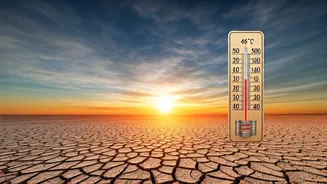
humans can comfortably withstand conditions reaching 35°C in terms of humid temperature, groundbreaking studies, including those from Pennsylvania State University, now indicate that our physiological limit might be significantly lower, possibly around 30°C to 31°C. This revised understanding is crucial, especially in regions like India, where rising temperatures and intensifying heatwaves are becoming a serious concern, with many areas already surpassing the 40°C mark. Understanding this nuanced relationship between heat and humidity is the first step in recognizing the true impact of extreme weather on our well-being and safety.
The Danger of Sweat
Our body's primary defense against overheating is sweat. In dry environments, this perspiration evaporates efficiently from our skin, carrying heat away and cooling us down. However, when humidity levels are high, this natural cooling mechanism becomes drastically less effective. Sweat struggles to evaporate, leading to a much faster build-up of internal body heat. This diminished cooling capacity means that even temperatures that might feel manageable in drier climates can become perilous when the air is saturated with moisture. This is why humid heat is far more dangerous than dry heat, pushing our bodies closer to their breaking point much more rapidly.
Crossing the Critical Threshold
A critical turning point for human health occurs when our core body temperature escalates beyond 40°C. At this juncture, the body's intricate cooling system, heavily reliant on efficient sweat evaporation, begins to falter. When this system starts to fail, the risk of heat stroke escalates dramatically. Symptoms such as disorientation, dizziness, confusion, and even fainting can manifest as the body struggles to regulate its internal temperature. Without immediate and appropriate medical intervention, heat stroke can progress to a life-threatening condition within a matter of hours, underscoring the urgency of recognizing and responding to severe heat exposure.
Organ Strain and Fatalities
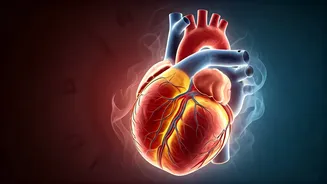
The effects of extreme heat extend beyond discomfort and heat stroke, posing significant threats to vital internal organs. The brain, in particular, can experience swelling, leading to profound confusion and a general sense of illness. Simultaneously, the heart is placed under immense strain as it works overtime to pump blood and facilitate heat regulation throughout the body. This heightened cardiac workload increases the probability of severe complications, and in the most extreme circumstances, can unfortunately result in fatality. These physiological responses highlight the profound and potentially devastating impact of prolonged exposure to dangerous heat levels.