






The Purity Crisis
A concerning investigation into India's protein supplement market has uncovered a widespread issue of product authenticity. Dr. Pooja Reddy, a dermatologist
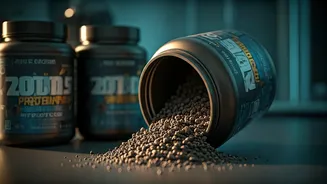
based in Hyderabad, has brought attention to a critical statistic: a substantial 70% of the protein powders tested are not what they claim to be. This isn't merely a matter of misleading nutritional information; the analysis revealed that a significant portion of these products are contaminated with dangerous substances, including heavy metals, fungal toxins, and pesticide residues. Such adulteration means that individuals consuming these powders, often with the goal of enhancing their health and fitness, might inadvertently be exposing their bodies to harmful chemicals, potentially leading to a range of adverse health effects and undermining their wellness goals. The findings suggest a systemic problem within the industry that necessitates immediate consumer awareness and action.
Hidden Dangers Unveiled
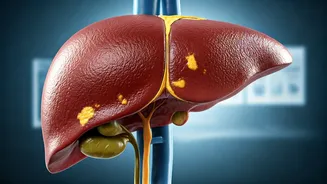
The implications of consuming fake protein powders extend far beyond mere ineffectiveness. According to Dr. Reddy's findings, the contaminants present in these counterfeit products, such as heavy metals and toxins, can wreak havoc on the body. For individuals managing diabetes, the unpredictable nature of these adulterated powders can lead to dangerous fluctuations in blood sugar levels, making their condition exceptionally difficult to control. Similarly, those who already have high blood pressure are at increased risk of severe cardiovascular complications due to the unknown impact of these harmful ingredients on their delicate health. The warning emphasizes that these fake supplements are not just ineffective; they are actively detrimental to the health of vulnerable populations, turning a trusted source of nutrition into a potential health hazard.
Consumer Vigilance Needed
In light of this alarming revelation, Dr. Reddy strongly advises consumers to exercise extreme caution when selecting protein supplements. Prioritizing authenticity and safety involves several key steps. Consumers should meticulously examine product labels for comprehensive ingredient lists and look for certifications from recognized health and regulatory bodies, which serve as indicators of quality control. Purchasing from reputable and established retailers can significantly reduce the risk of encountering counterfeit goods. Furthermore, for individuals with pre-existing health conditions, such as diabetes or hypertension, it is imperative to consult with a healthcare professional or a qualified dietitian before introducing any new supplement into their diet. This professional guidance ensures that the chosen product is safe and appropriate for their specific health needs.
Holistic Health Approach
Beyond the issue of product authenticity, Dr. Reddy highlights that the effectiveness and safety of protein supplementation are also intrinsically linked to an individual's overall lifestyle and bodily preparedness. She points out three common pitfalls that hinder the benefits of protein intake: dehydration, insufficient fiber consumption, and a myopic focus on macro-counting without considering individual activity levels. Insufficient water intake, for instance, can overwork the kidneys as they struggle to metabolize protein. A lack of dietary fiber can lead to digestive discomfort and bloating, as undigested protein ferments in the gut. Moreover, blindly following generic macro recommendations without assessing personal exercise intensity can result in consuming excess protein that the body cannot effectively utilize, leading to the creation of waste products that strain the body's organs. A balanced approach, encompassing adequate hydration, fiber, and a personalized understanding of nutritional needs, is crucial for maximizing the benefits of protein and ensuring overall well-being.