

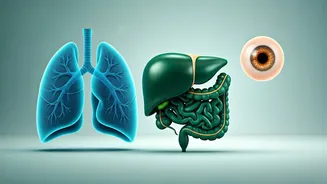

The Gut-Microbiome Connection
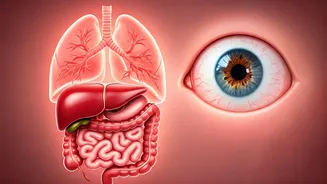
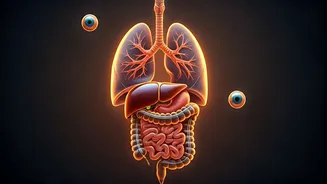
Your digestive tract is home to trillions of microorganisms, collectively known as the gut microbiome. This complex ecosystem plays a far more significant
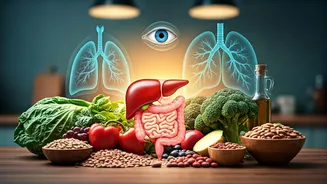
role in your health than just aiding digestion. A balanced and diverse microbiome is integral to a robust immune system, acting as a frontline defense against pathogens. Furthermore, the gut's influence extends to metabolic processes, mental well-being, and even the prevention of long-term health conditions. When this delicate balance is disrupted, it can manifest in various health issues, underscoring the importance of actively supporting your gut flora through dietary choices. Focusing on foods that promote a healthy gut environment is a proactive step towards holistic well-being, impacting everything from nutrient absorption to inflammation regulation. Cultivating a flourishing gut garden is, therefore, a fundamental aspect of achieving optimal health and vitality, going far beyond simple digestive comfort.
Foods for a Happy Gut
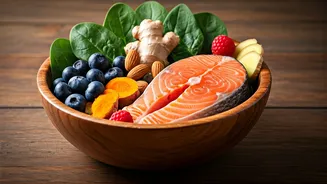
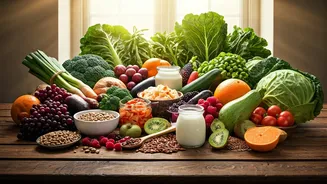
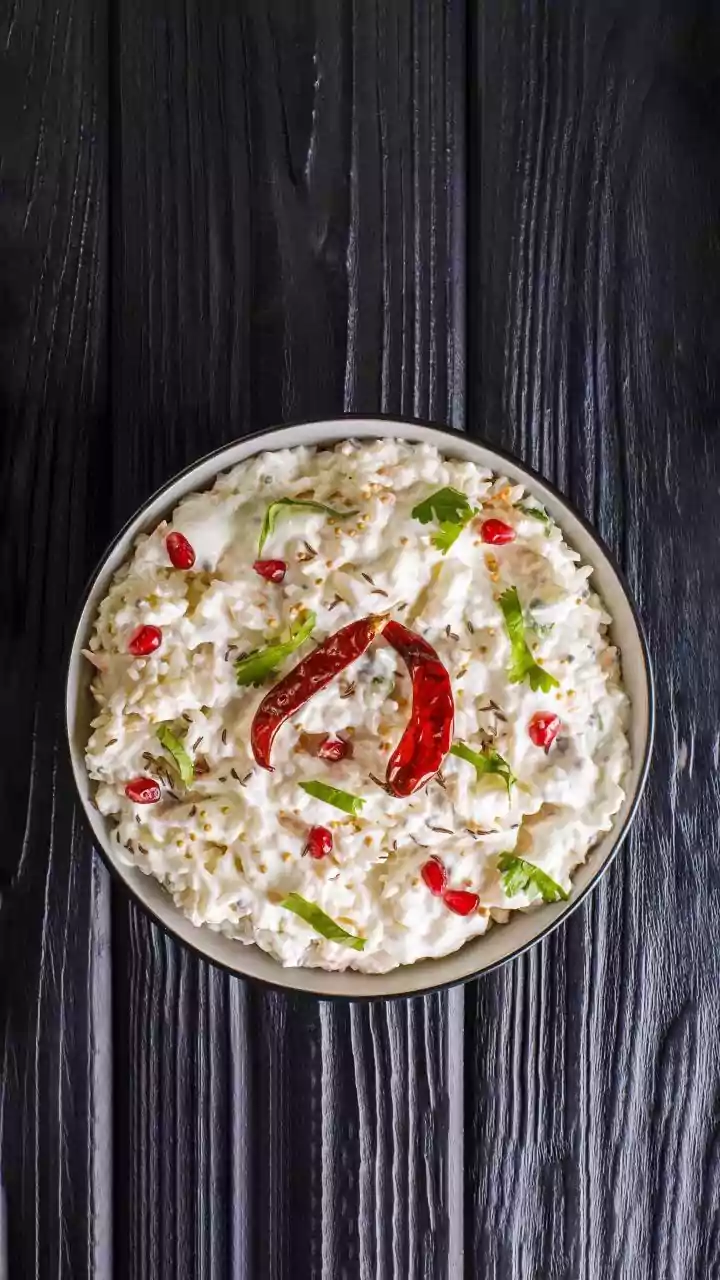
To cultivate a thriving gut environment, a diet rich in fiber and fermented foods is paramount. Fiber acts as a prebiotic, feeding the beneficial bacteria in your gut and promoting their growth. Excellent sources include a variety of fruits, vegetables, whole grains, legumes, nuts, and seeds. Think of incorporating oats, barley, apples, berries, leafy greens, beans, lentils, almonds, and chia seeds into your daily meals. Fermented foods, on the other hand, are packed with probiotics – live beneficial bacteria that can directly enhance your gut's microbial diversity. Examples include plain yogurt with live and active cultures, kefir, sauerkraut, kimchi, and tempeh. Regular consumption of these foods can help restore balance to your gut flora, especially after periods of stress or illness, and contribute to improved nutrient absorption and a stronger immune response. By consciously including these nutrient-dense options, you empower your gut to function optimally, leading to enhanced overall health.
Meal Planning for Gut Health
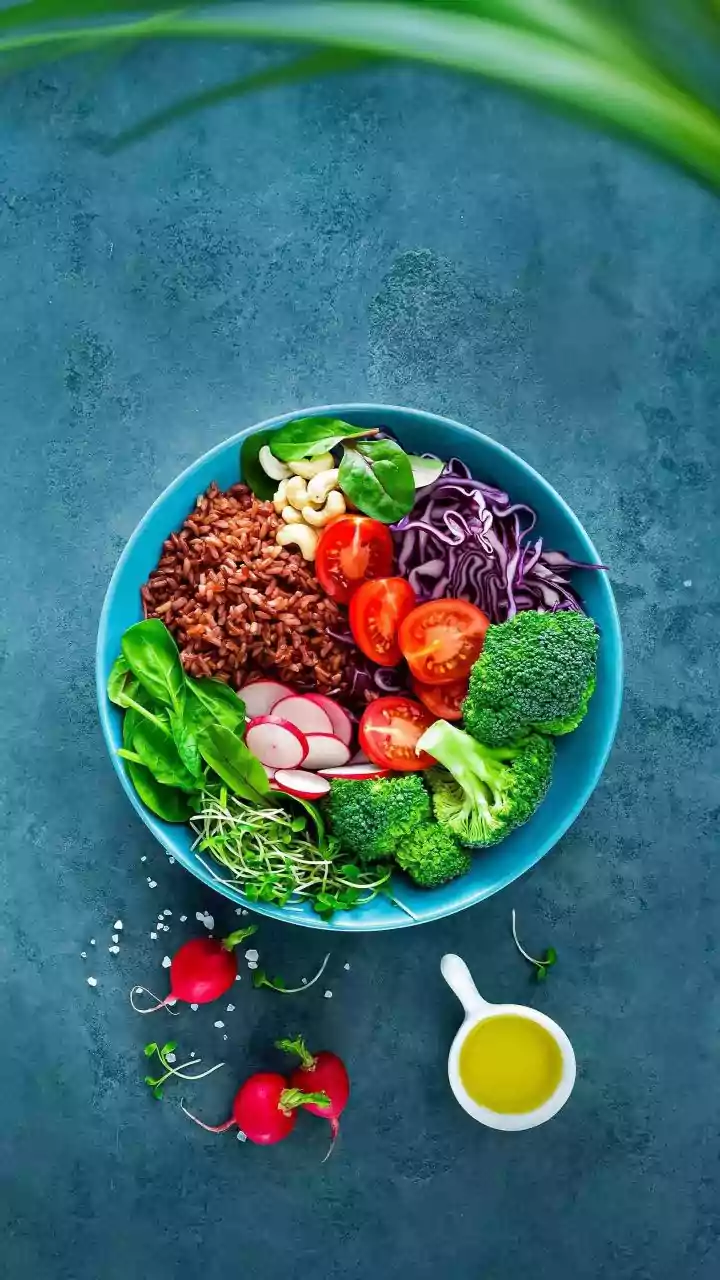
Integrating gut-friendly foods into your daily meals doesn't have to be complicated. A balanced approach involves combining fiber-rich plant foods with probiotic sources. For breakfast, consider a bowl of oatmeal topped with berries and a sprinkle of nuts, or a smoothie made with yogurt, spinach, and chia seeds. Lunch could feature a hearty lentil soup with a side of whole-grain bread, or a vibrant salad loaded with mixed greens, beans, and seeds, dressed with a simple olive oil vinaigrette. Dinners can be creative: perhaps baked salmon with roasted vegetables and quinoa, or a vegetable stir-fry with brown rice and tempeh. Snacks can include a piece of fruit, a handful of almonds, or a small serving of kefir. The key is variety and consistency, ensuring you're providing your gut with a diverse range of nutrients. This mindful approach to meal planning supports digestive regularity, nutrient assimilation, and contributes to a resilient immune system, fostering a sense of sustained well-being.