



Understanding Clean Eating
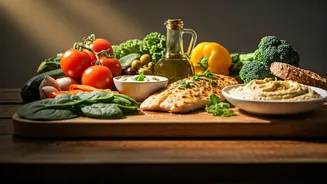
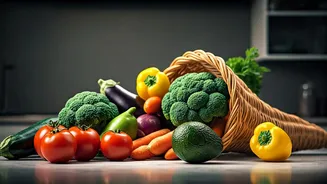
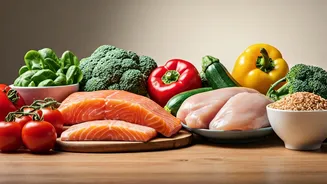
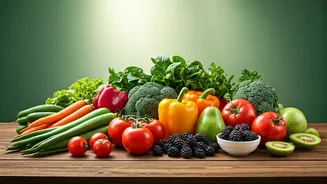
Clean eating is a lifestyle centered around consuming whole, unprocessed foods in their most natural state. It emphasizes fruits, vegetables, lean proteins,
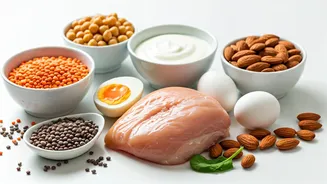
and healthy fats, while minimizing processed items, added sugars, and artificial ingredients. The core philosophy is to nourish your body with nutrient-dense foods that provide sustained energy and support overall well-being. This approach is not about restrictive dieting but rather about making conscious choices that promote vitality and health. By focusing on what you *can* eat – vibrant produce, whole grains, and lean meats – clean eating becomes an empowering journey to better health. Experts highlight that a clean-eating diet can significantly improve energy levels, aid in weight management, and enhance the body's natural detoxification processes. It's about quality over quantity, and appreciating the natural goodness of food.
Beginner Meal Plans
Embarking on a clean eating journey is made simpler with structured meal plans designed for beginners. These plans typically span 7 or 14 days, offering a clear roadmap for daily meals and snacks. For instance, a 7-day no-sugar, high-protein meal plan, crafted by a dietitian, ensures you get balanced nutrition without added sugars, focusing on lean proteins and complex carbohydrates to keep you feeling full and energized. Similarly, a 14-day clean-eating meal plan, often around 1,200 calories, provides a comprehensive structure for two weeks, introducing a variety of whole foods. These plans take the guesswork out of meal preparation, offering delicious and easy-to-follow recipes. They often include options like a clean-eating meal plan for beginners, which might feature meals like ground beef and potatoes skillet or sweet potato and black bean chili, ensuring variety and taste while adhering to clean eating principles.
Quick & Easy Recipes
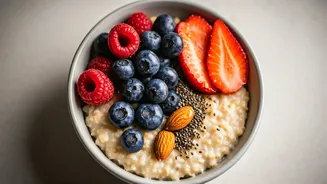
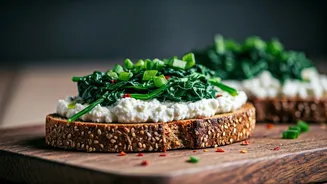
The beauty of clean eating lies in its accessibility, with numerous quick and easy recipes that fit into busy schedules. Many meals can be prepared in 10-20 minutes, proving that healthy eating doesn't require hours in the kitchen. Consider options like a cucumber sandwich, quick-cooking oats, or a simple veggie and hummus sandwich, perfect for a light lunch or breakfast. For dinner, dishes like one-pot garlicky shrimp and broccoli or chhole (chickpea curry) are ready in about 20 minutes. Even more elaborate meals, such as roasted sweet potatoes or a hearty chickpea and spinach stew, can be made in around 30-40 minutes. These recipes utilize fresh ingredients and straightforward cooking methods, making clean eating a sustainable choice for everyone, regardless of culinary experience.
Special Diet Considerations
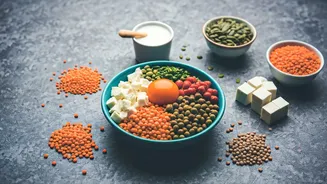
Clean eating can be adapted to accommodate various dietary needs and preferences, offering flexibility within its core principles. For those managing specific health conditions or lifestyle choices, tailored plans are available. For example, a 14-day gluten-free diet plan, also often around 1,200 calories, focuses on naturally gluten-free whole foods, ensuring individuals with celiac disease or gluten sensitivity can enjoy clean eating without compromise. Similarly, a no-sugar diet plan emphasizes whole foods and avoids all forms of added sugars, which is beneficial for blood sugar management and overall health. Beyond these, clean eating principles can be applied to vegetarian, low-sugar, high-protein, and weight-loss diets, proving that a wholesome approach to food is versatile and inclusive for a wide range of health goals and requirements.