






The Dehydration Link
When your body isn't sufficiently hydrated, its ability to efficiently process and eliminate waste products, including uric acid, can be compromised. Our
cells naturally contain purine compounds, which are broken down into uric acid. The kidneys are the primary organs responsible for filtering this uric acid from the blood and excreting it in urine. However, with inadequate fluid intake, the kidneys may struggle to perform this filtration effectively, leading to a buildup of uric acid in the bloodstream. This issue is often more pronounced during periods of increased fluid loss, such as in hot climates, after extensive travel, or simply from habitually drinking too little water. Ensuring consistent and adequate hydration is therefore a fundamental step in maintaining healthy uric acid levels.
Internal Processes at Play
Your body continuously undergoes natural cellular processes, and a part of this includes the breakdown and release of purines, which are then converted into uric acid. These internal metabolic activities can escalate uric acid production independently of dietary intake. Situations that trigger an increased breakdown of cells, such as infections, inflammation, injuries, or periods of intense physical exertion, can cause a surge in uric acid levels. Consequently, even individuals adhering to a healthy diet might experience sudden spikes in uric acid following an illness, an injury, or engaging in extremely strenuous exercise. Understanding these internal biological responses is key to comprehending why uric acid levels can fluctuate.
Medications and Kidney Function
Certain pharmaceutical interventions, often prescribed for common chronic conditions, can inadvertently influence how your body manages uric acid. Medications used for managing high blood pressure, various heart conditions, or other ongoing illnesses may interfere with the kidneys' capacity to filter uric acid effectively. This disruption can lead to an accumulation of uric acid within the bloodstream, potentially increasing the risk of developing conditions like gout. The intricate relationship between medication and kidney function underscores the importance of discussing all potential side effects with healthcare providers, especially when managing uric acid concerns.
The Crucial Kidney Role
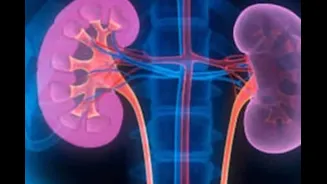
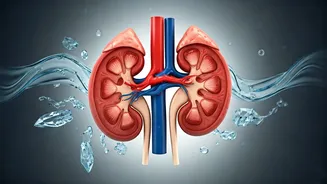
The health and efficiency of your kidneys are paramount in regulating uric acid levels. These vital organs are responsible for processing and eliminating a significant majority, approximately two-thirds, of the uric acid produced by the body on a daily basis. Even a minor reduction in kidney function can impede this clearance process, allowing uric acid to build up in the blood. This highlights why regular monitoring of kidney health is particularly important, especially for individuals who persistently struggle with elevated uric acid levels. Maintaining optimal kidney function is a cornerstone of effective uric acid management.
Metabolic Stressors
Metabolic stress, arising from various physiological demands, can significantly impact uric acid production. Intense physical activity, severe illnesses or infections, undergoing rapid weight loss, prolonged fasting, or even consistently skipping meals can trigger a heightened breakdown of purines within the body. This accelerated purine metabolism leads to an increased generation of uric acid. Consequently, athletes pushing their physical limits, individuals on restrictive crash diets, or those recuperating from illness may find themselves more susceptible to experiencing higher uric acid levels due to these metabolic pressures.
Genetic Predispositions
Genetic makeup can also play a substantial role in an individual's uric acid regulation. Some people are predisposed by their genes to either produce more uric acid than average or possess kidneys that are less efficient at removing it. This inherent biological variance means that even with optimal lifestyle choices, certain individuals may naturally have higher uric acid levels. Furthermore, the presence of other genetic or acquired conditions such as obesity, insulin resistance, and high blood pressure can further exacerbate the risk of developing high uric acid levels, creating a complex interplay of factors.
Lifestyle Habits Matter
Effectively managing uric acid levels often extends beyond just fine-tuning one's diet; lifestyle choices are equally critical. Extreme physical stress, extended periods of fasting, sudden and significant weight loss, periods of illness, and elevated stress levels can all contribute to an increased production of uric acid. Embracing a balanced approach that includes consistent hydration, maintaining a nutritious and balanced diet, and adopting healthy lifestyle practices is essential. These integrated habits work synergistically to help maintain uric acid levels within a healthy range, promoting overall well-being.