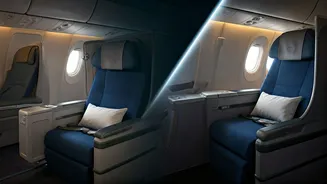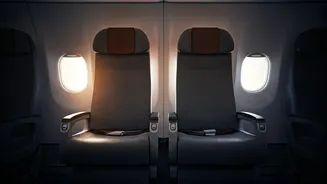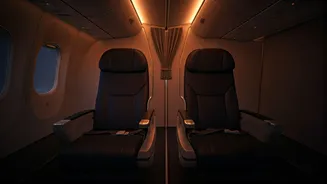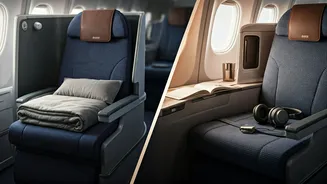





What is Seat Divorce?
Imagine the exhaustion of air travel after a demanding day, only to be faced with a partner seeking a deep conversation at 35,000 feet. This scenario highlights
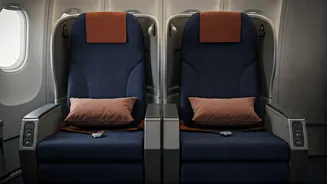
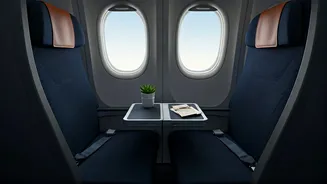
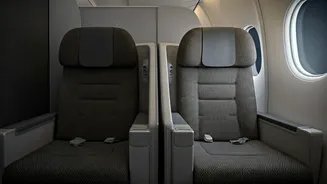
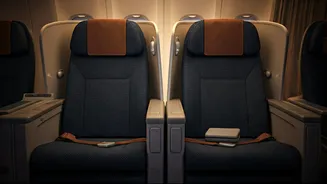
the need for personal respite, leading some couples to adopt 'seat divorce.' Far from signaling relationship discord, this practice involves deliberately booking separate seats—whether by aisle, window, or even different rows—to allow each individual space to recharge, sleep, watch a movie, or simply decompress without pressure. The core idea is that this physical distance during transit can paradoxically foster greater emotional connection and lead to a more enjoyable shared experience once the journey concludes. It's a practical approach to managing the stresses of modern travel and ensuring that both partners arrive at their destination feeling refreshed and better equipped to enjoy their time together.
Why It's Gaining Traction
While traditional thinking might equate sitting together with closeness, many couples are finding that 'seat divorce' offers a more authentic form of intimacy. The effort to constantly rearrange or force togetherness on a flight can often feel performative rather than genuine. By choosing separate seats, partners can avoid the discomfort of being sandwiched, especially in less-than-ideal middle seats, and ensure personal comfort without guilt. This mirrors the concept of 'sleep divorce,' where separate rooms improve rest. For many, the practical benefits of selecting a preferred seat—window for views or aisle for ease of movement—combined with the emotional benefit of uninterrupted personal time significantly enhances the overall travel experience. This deliberate separation allows for a more intentional reconnection later, making shared moments more meaningful.
Boosting Relationship Health
Therapists are beginning to validate what couples are experiencing: the cultural conditioning to equate physical proximity with relationship health can be misleading. When couples sit apart, well-meaning strangers might offer to switch seats, projecting their own discomfort with non-performative intimacy. However, continuous side-by-side proximity can, in fact, lead to a dulling of connection. Couples who opt for separate seating often report feeling more present and intentional when they do interact, perhaps by sharing recommendations for movies, laughing over snacks, or having brief check-ins. These moments of deliberate engagement can be far more impactful and strengthening to a relationship than hours of passive co-existence. It's about quality of interaction over sheer quantity of time spent physically adjacent.
Practical Perks of Space
The realities of modern air travel—cramped conditions, delays, noise, and long queues—make every element of comfort crucial. The necessity of one partner enduring a middle seat when traveling together is a common pain point. By allowing each person to choose their preferred window or aisle seat, 'seat divorce' significantly boosts comfort, especially on extended journeys where every inch of space is appreciated. Beyond physical comfort, the emotional benefit of having uninterrupted time to unplug, decompress, and recharge without the pressure of constant togetherness is invaluable. This allows individuals to conserve their energy, ensuring they can be more patient, present, and kind to their partner upon arrival, thereby protecting their well-being and the overall mood of the trip.
Communication and Balance
The success of 'seat divorce' hinges on open communication and mutual respect between partners. It's not an act of avoidance but a conscious choice to honor individual needs. Couples who practice this often discuss their preferences beforehand—who might need more legroom, who is a nervous flyer, or who simply despises the middle seat. This collaborative decision-making process strengthens trust and fosters a sense of an equal partnership. At its core, 'seat divorce' is about finding balance, preventing a situation where one partner consistently sacrifices their comfort or endures undesirable conditions. By reclaiming personal space, individuals can ensure their needs are met, leading to a more harmonious dynamic within the relationship, both during travel and in everyday life.
Personal Space as Strength
Far from being a red flag for relationship trouble, 'seat divorce' is increasingly seen as a positive indicator of a strong, adaptable partnership. Many couples find that by allowing for personal space during travel, their affection and appreciation for each other actually grow. When the usual travel squabbles over armrests or tangled earbuds are absent, individuals arrive feeling calmer, more rested, and more inclined to be generous with their partner. This sets a positive tone for the entire trip. Fundamentally, 'seat divorce' reflects a broader evolution in how intimacy is understood—moving beyond mere physical closeness to encompass emotional attunement, clear communication, and a deep respect for each other's boundaries. It's about being connected emotionally, even when physically apart.