



When Skin Feels Parched
As temperatures soar, our skin, much like our bodies, can become critically low on moisture. This condition, known as skin dehydration, is distinct from
dry skin; it signifies a lack of water content rather than lipids. Dermatologists highlight that even oily or combination skin types are susceptible to this water loss, particularly during summer due to increased transepidermal water loss (TEWL). This occurs when external factors like intense heat, prolonged sun exposure, and excessive sweating compromise the skin's natural protective barrier, allowing precious water to escape. Recognizing these signs early is crucial for maintaining skin health and preventing further damage, ensuring your skin remains comfortable and resilient against the summer elements.
The 7 Tell-Tale Signs
Several indicators can reveal if your skin is crying out for hydration. A common, immediate cue is a feeling of tightness, especially noticeable right after you cleanse your face, as natural oils are stripped away. Your complexion may also appear noticeably dull, lacking its usual vibrancy because skin cells aren't functioning optimally, leading to a surface buildup of dead cells. This compromised barrier makes the skin more prone to irritation, manifesting as persistent itchiness that can worsen with heat and sweat. You might also experience increased sensitivity, with redness and inflammation appearing more readily as irritants penetrate the weakened barrier. Dehydration can exacerbate the appearance of fine lines and wrinkles, making them more pronounced due to a loss of skin plumpness. Paradoxically, your skin might even break out more frequently, as it tries to overcompensate for dryness by producing excess oil, which can clog pores. Finally, an uneven, patchy texture, where some areas seem dry and flaky while others appear oily, points to a disrupted moisture balance.
Rehydrating Your Skin
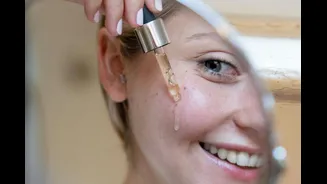
Combating dehydrated summer skin requires a multi-pronged approach, focusing on both internal and external care. Prioritize adequate fluid intake by drinking plenty of water throughout the day; nutrient-rich foods can also contribute to hydration. When cleansing, opt for gentle, hydrating formulas that avoid stripping essential natural oils, steering clear of harsh soaps. Consistency in moisturizing is key; apply a good quality moisturizer both morning and night, particularly after cleansing, looking for ingredients like hyaluronic acid, glycerin, and ceramides that actively draw and retain moisture. For an extra boost, incorporate a hydrating serum, especially one rich in hyaluronic acid, into your routine. Be mindful of water temperature; lukewarm showers are preferable to hot ones, which can further deplete your skin's moisture. Sun protection is paramount—use a broad-spectrum sunscreen with SPF 30 or higher to prevent sun-induced dehydration. In very dry climates, a humidifier can add essential moisture back into the air, benefiting your skin's hydration levels.
Targeting Transepidermal Water Loss
Understanding Transepidermal Water Loss (TEWL) is vital for managing summer skin dehydration. This phenomenon refers to the passive diffusion of water from the inner layers of the skin to the atmosphere. During summer's peak heat and humidity, coupled with prolonged sun exposure, the skin barrier's integrity is challenged, leading to an increased rate of TEWL. This elevated water loss directly impacts the skin's hydration levels, making it feel tight, look dull, and become more susceptible to irritation and sensitivity. While skin type influences how your skin feels on a daily basis (oily vs. dry), it doesn't determine your vulnerability to dehydration. Both oily and dry skin types can experience significant TEWL and subsequent dehydration. Therefore, strategies aimed at reinforcing the skin barrier and minimizing moisture evaporation are essential for all skin types to combat this summer-specific concern and maintain optimal skin health.