

Embrace the Shade
Many gardeners focus on sun-drenched areas, but shady spots offer unique opportunities. While they might present challenges like tougher weeds or a higher
chance of fungal issues, they also provide a chance to explore diverse plant varieties and develop an appreciation for less conventional blooms. Shade gardening is becoming increasingly popular, offering a rewarding experience for those willing to plan and adapt.
Understanding Shade Levels
Before selecting plants, it's crucial to accurately gauge the amount of shade in your intended garden area. Shade isn't monolithic; it exists on a spectrum. You might have partial shade, where the area receives a few hours of direct sun, dappled shade, characterized by filtered sunlight through trees, moderate shade, which gets very little direct sun, or heavy shade, where sunlight rarely penetrates. Knowing your specific shade level will dictate the types of plants that will thrive, ensuring your gardening efforts yield the best results.
Dry vs. Damp Shade
Beyond the intensity of shade, soil moisture is another critical factor. Differentiate between 'dry shade' and 'damp shade.' Dry shade often occurs in areas shaded by mature trees that consume a lot of moisture, or simply due to natural drainage. Damp shade, conversely, retains more moisture. For damp conditions, consider plants like ferns, bleeding hearts, and cowslip. In contrast, dry shade environments are better suited for plants such as anemones, euphorbia, and hellebore, which can tolerate less moisture.
Selecting Plant Varieties
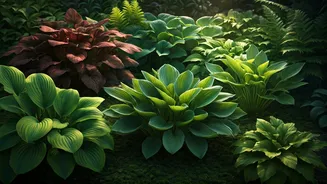
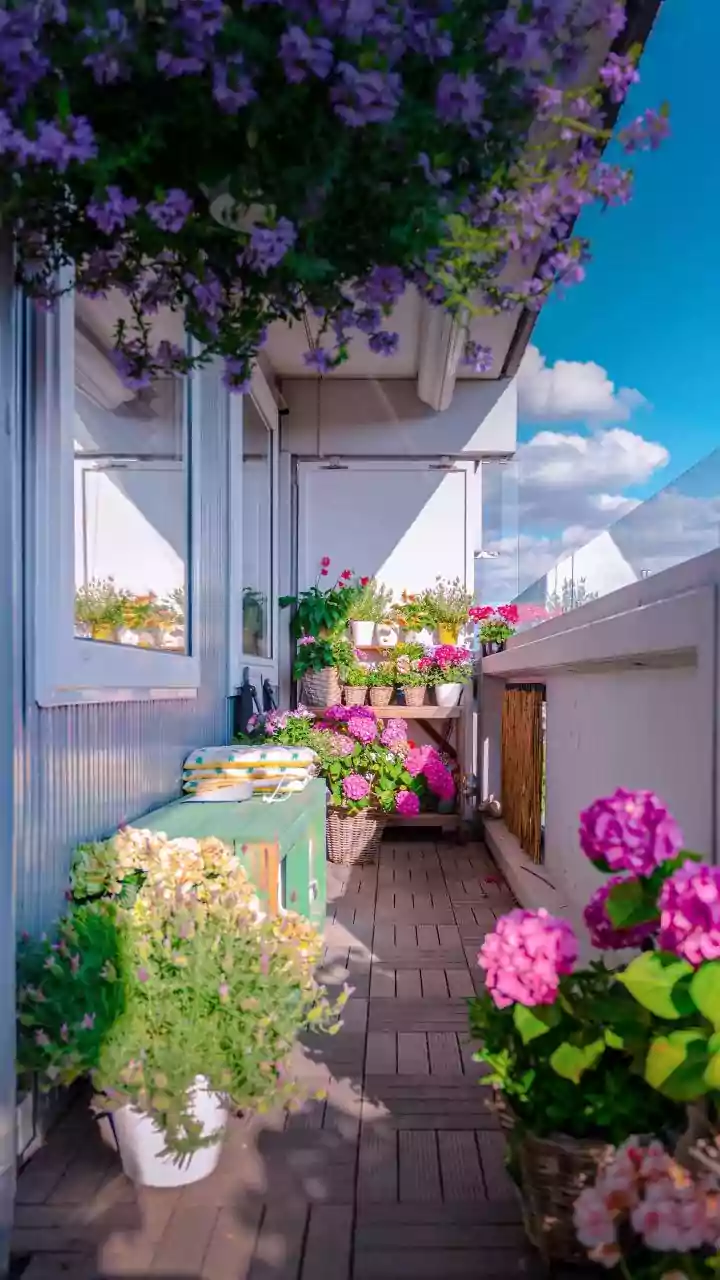
Shrubs can be excellent additions, especially against walls or house foundations, offering structure and visual appeal. Hydrangeas, for instance, perform well in partial to dappled shade. It's generally advisable to steer clear of most climbing plants, like honeysuckle and jasmine, as they naturally seek sunlight and may struggle. Instead of trying to maintain a manicured lawn in a shady spot, opt for ground covers suited for lower light, such as Pachysandra or creeping thyme. To introduce color and interest without relying on bright blooms, variegated Hostas are an excellent choice, providing visual depth.
Enhancing the Space
A well-prepared soil bed is vital for shade-loving plants, often mimicking forest floor conditions. Enriching your soil with nutrients, consistent mulching, and monitoring acidity levels to ensure they are sufficiently high will promote robust growth. Consider incorporating pathways with pavers or adding seating to create a tranquil retreat. Playing with textures and shapes, using plants like foamflowers, various palms, or euphorbia, can add dramatic flair. Garden sculptures, small water features, or bird baths can also serve as eye-catching focal points. Utilizing plants of varying heights, from groundcovers to taller options like Japanese maples, adds dimension, while thoughtful edging with low-growing plants or materials like stones can define the garden's boundaries.
Adding Functionality
Shade gardens can naturally attract wildlife, so consider adding elements like birdbaths, feeders, or houses to encourage local fauna. Be mindful of moisture retention in shaded areas; while they might require less frequent watering, new plants will need consistent moisture to establish roots. Lighting is another aspect that can transform a shade garden, with solar stakes or string lights creating ambiance and defining spaces. Finally, embrace the natural tendency of plants to grow in shade by allowing some areas to grow a bit more wild, adopting a meadow-like aesthetic that requires less intervention and celebrates natural growth patterns.