






Kidney Health Baseline Crucial
Protein powders have become a staple in many diets, but their widespread use raises important questions about long-term kidney health. Experts emphasize
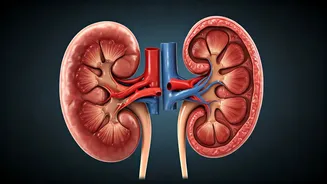
that for individuals with already healthy kidneys, moderate consumption of these supplements is generally not a cause for concern. The primary issue arises from overconsumption. When individuals ingest multiple scoops daily in addition to a diet already rich in protein, they place an excessive workload on their kidneys. This sustained high demand can reveal underlying kidney stress, particularly in people who may not be aware of any pre-existing issues, simply believing they are maintaining a healthy diet. Therefore, understanding your individual kidney health status is the fundamental first step in assessing the potential impact of protein supplements.
The Cumulative Protein Load
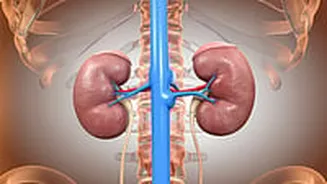
A critical factor often underestimated by protein supplement users is the cumulative effect of their intake. Many individuals don't realize how quickly their protein consumption can add up from various sources. Beyond dedicated shakes and bars, protein-rich meals and snacks contribute significantly to the daily total, often pushing intake well beyond recommended daily allowances. The body's metabolic process involves breaking down protein, a function that generates waste products. The kidneys are tasked with filtering and expelling these byproducts. A consistent, high protein intake continuously increases this filtering burden. For individuals with undiagnosed kidney conditions, this added strain can subtly but surely accelerate kidney damage, making early detection and moderation paramount.
Hydration and Product Quality
The role of adequate hydration cannot be overstated when discussing protein powder use and kidney strain. Many individuals consuming protein supplements fail to proportionally increase their fluid intake to match their protein consumption. This fluid deficit exacerbates the workload on the kidneys and can also elevate the risk of forming kidney stones, a consequence that is frequently overlooked in high-protein routines. Furthermore, the quality of protein powders themselves presents another layer of risk. The market is saturated with products of varying standards, some of which may contain undisclosed additives, artificial sweeteners, or even trace amounts of heavy metals that can accumulate in the body over time. It's also concerning when people replace balanced, whole-food meals with protein shakes, mistakenly assuming they offer equivalent nutritional value, which is often not the case.
Balance Over Extremes
The overarching consensus from medical experts is that protein itself is not inherently problematic; rather, it is the imbalance in consumption that poses a risk. Protein supplements can serve as valuable tools to support dietary objectives when used judiciously. However, when they become excessive, their quality is compromised, or they are used as a substitute for whole foods, they introduce potential health risks that are easy to ignore and slow to manifest. In an era that often favors quick fixes and performance enhancements, protein powders offer an appealing blend of nutrition and convenience. Nevertheless, the human body, and particularly the kidneys, thrives on equilibrium, not extremes. Adhering to moderation is not merely good advice; it acts as a vital protective measure.