


Root Out with Hand-Pulling
When invasive plants begin to take over, one of the most direct and effective strategies is to physically remove them by hand. This method, often referred
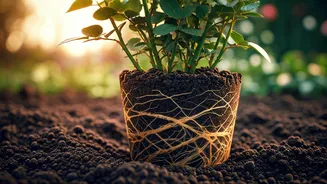
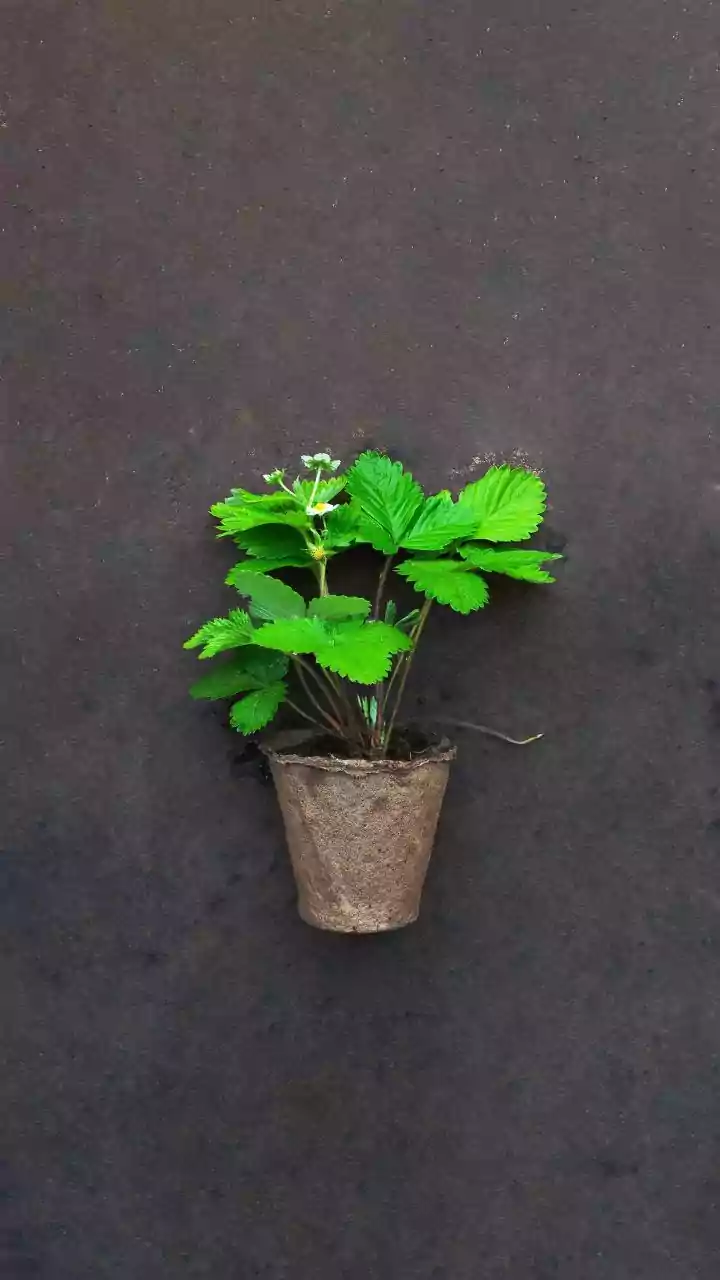
to as weeding, involves carefully extracting the entire plant, including its root system, to prevent regrowth. Ecologist Shaun McCoshum emphasizes that completely uprooting the plant is crucial for long-term success. While it can be physically demanding and require time, hand-pulling is a cost-free solution that relies solely on your effort. To maximize its effectiveness, it's advisable to inspect your garden regularly, ideally monthly, especially for larger areas, and address new growth before it can mature and produce seeds. Performing this task after a rainfall can make the process easier, as the soil becomes looser and allows for simpler extraction of the roots. Early intervention, perhaps in February or March when these plants first emerge, is also key to preventing them from establishing a strong foothold.
Strategic Mowing Tactics
Mowing presents another viable, natural approach to managing invasive plant populations, particularly effective for controlling extensive groups of woody perennials before they reach their flowering stage. According to wildlife biologist Shaun McCoshum, consistent mowing every few weeks is essential to repeatedly cut back new growth. This persistent reduction in foliage effectively starves the plants of the energy they need to survive and thrive. Following several mowing cycles, a beneficial follow-up step involves sowing wildflower seeds across any exposed soil. This not only helps to prevent soil erosion but also establishes a low-maintenance ground cover that supports local wildlife, such as birds and pollinators. Furthermore, this re-seeding helps ensure that the invasive species are less likely to re-establish themselves in the cleared areas.
Smothering for Sun Deprivation
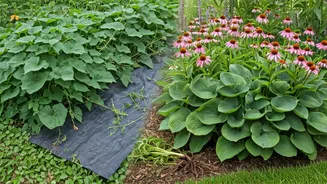
Smothering offers an environmentally sound and straightforward method for eradicating non-native vegetation by depriving them of essential sunlight. This technique utilizes opaque materials, like black plastic sheeting, cardboard, or even thick layers of mulch, to block light penetration to the plants below. McCoshum explains that the process involves simply laying these light-blocking materials directly over the targeted invasive species and allowing them to sit for several months. This approach is particularly well-suited for annual invasive plants, which typically possess less extensive root systems and are therefore more susceptible to dying off without light. Additionally, materials such as tarps or black plastic can also impede the flow of rainwater to the soil, creating drier conditions that many non-native plants, especially those less tolerant of drought, find difficult to endure.
Harnessing Solarization's Heat
Solarization takes the concept of blocking sunlight and amplifies it by using heat to eliminate invasive plants. This method employs clear or translucent plastic sheeting to trap solar energy, creating a high-temperature 'oven effect' that effectively 'cooks' the unwanted vegetation. Spring is an opportune time for solarization, as even moderate outside temperatures can lead to internal temperatures well exceeding 130°F, according to McCoshum. For larger infestations, thick, clear painter's tarps can be utilized, with heavy objects placed around the edges to ensure the heat remains contained. After approximately a month of this intense solar treatment, the plastic covering can be removed. It is crucial to exercise caution and avoid accidentally solarizing your garden beds, ensuring any protective tarps used for frost protection are removed before the intense spring sun can damage desirable plants.