








Pest-Infested Slumber
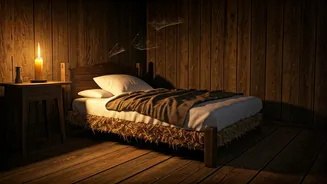
Centuries ago, the simple act of going to bed was often an invitation to an infestation. Straw-filled mattresses, a common bedding material, provided a veritable
smorgasbord for fleas, lice, and bedbugs. Poor hygiene standards exacerbated the issue, ensuring that a truly restful night, free from the constant irritation of crawling insects, was an almost unimaginable luxury. The discomfort was not merely psychological; it was a persistent, physical assault on one's attempts to find peace during the night, making sleep a far less inviting prospect than it is today.
Communal Bedding Practices
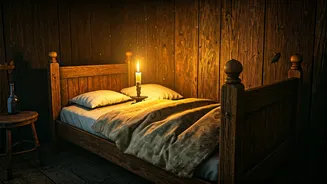
Privacy in sleep was a concept virtually nonexistent for most people three centuries ago. Bedrooms were not sanctuaries of individual rest; instead, beds were shared by multiple family members, and in some cases, even by unrelated individuals. This practice blurred the lines of personal space and dictated that sleeping arrangements were governed by strict social customs rather than personal preference. The idea of having a bed to oneself was a privilege reserved for the very few, with the majority experiencing sleep in a crowded, communal setting that offered little to no personal solitude.
Livestock Indoors
Adding to the sensory overload of nightly rest, many households in the 1700s kept their farm animals, such as chickens and goats, within the living quarters. This was primarily done to provide warmth for the animals and for added security against theft. However, it introduced a new set of challenges to sleep: constant animal noises, the pervasive smell of livestock, and an increased presence of additional pests. This integration of animals into the domestic sleeping environment meant that peace and quiet were constantly disrupted by the sounds and odors of the barnyard, making a serene night's sleep an extraordinary feat.
Segmented Sleep Cycles
Contrary to our modern expectation of a single, uninterrupted block of sleep, people in the 1700s typically experienced their slumber in two distinct phases. They would first settle in for a 'first sleep,' which would last for several hours. Upon waking, individuals would remain conscious for a period of one to two hours, engaging in activities like reading, praying, or socializing, before returning to bed for a 'second sleep.' This biphasic sleep pattern was the norm, reflecting a different understanding of biological rhythms and the societal demands placed upon individuals during the night.
Rudimentary Bedding
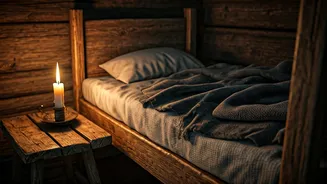
The comfort level of beds three centuries ago was remarkably basic and often quite uncomfortable. Instead of the plush mattresses we are accustomed to, many people slept on simple straw-filled sacks or even directly on the floor. These arrangements offered minimal cushioning and little protection against the cold that could seep in from drafts, making a cozy and warm night's rest a significant challenge. The stark simplicity of these sleeping surfaces highlights the vast improvements in comfort and design that have transformed our experience of sleep over the intervening centuries.
Risky and Noisy Nights
Without the widespread availability of electricity, nights in the 1700s were characterized by profound darkness, fostering an atmosphere of potential danger. Fear of burglary, the ever-present risk of fire from candles and hearths, and a general increase in nocturnal disturbances contributed to nights that were often fraught with anxiety. The silence we associate with nighttime was frequently broken by sounds from within the home or from the outside world, making the night a time that demanded vigilance rather than passive rest. This lack of artificial light and inherent dangers made nighttime a period of heightened awareness and vulnerability.