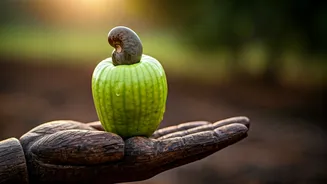








Goa's Seasonal Sip
Summer in Goa offers a distinct, tranquil atmosphere, a stark contrast to its bustling peak season. During these quieter months, a unique culinary tradition
emerges, subtly yet excitingly. This isn't something advertised with fanfare or readily found on store shelves. Instead, it appears briefly, almost as an insider's secret. This revered beverage is Urrak, a Goan specialty that graces us for only about eight weeks annually before vanishing as quickly as it arrived. It's a drink deeply intertwined with the cashew harvest, embodying the slower pace of Goan summers and its time-honored brewing practices, making it more of a cherished ritual than just a simple drink.
What Exactly Is Urrak?
Urrak is a classic Goan alcoholic concoction derived from the naturally fermented sap of cashew apples. Many consider it the lighter, more immediate predecessor to feni, Goa's more widely recognized spirit. Unlike feni, which undergoes multiple distillations and possesses a robust, pungent profile, Urrak typically represents the initial distillation process. Consequently, it boasts a lower alcohol concentration, a subtle sweetness, and a remarkably smooth taste, making it incredibly easy to enjoy. Locals frequently savor it as a revitalizing summer refreshment, often mixed with soda, lemonade, or even a simple combination of salt and green chillies for a zesty, savory undertone that perfectly suits the tropical climate.
Crafting Urrak's Essence
The creation of Urrak is rooted in traditional methods, commencing with the cashew apple harvest during early summer. These ripe fruits are then gathered and expertly crushed, traditionally using stone presses. Following this, the extracted juice undergoes a period of natural fermentation over several days, with no artificial additives introduced to influence the process. The subsequent stage involves a single distillation of this fermented liquid, yielding a spirit that is notably lighter in character. This entire process is predominantly carried out in family-run operations, which helps preserve the distinct, fresh, and fruity aroma that sets Urrak apart from feni.
The Fleeting Eight Weeks
Urrak's brief availability is inextricably linked to the annual cashew apple season. These particular fruits are harvested only once a year, typically spanning the months of March through May. Given that Urrak is produced from fresh, fermented cashew apple juice and is not subjected to extensive distillation or preservation techniques, its lifespan is inherently limited. It is at its finest when consumed fresh. Within a matter of weeks, its distinctive flavour can degrade, and it may begin to spoil. This inherent fragility is the primary reason it is seldom exported or stored for extended durations, confining its presence to a narrow summer window of approximately six to eight weeks each year.
Urrak's Unique Allure
A significant part of Urrak's appeal stems from its ephemeral existence. It transcends being merely a beverage; it's an immersive experience intrinsically tied to a specific time and locale. The very fact that its enjoyment is confined to a short summer period imbues it with a sense of exclusivity and deep cultural significance within Goa. Its flavour profile further distinguishes it: light, subtly sweet, and fruity, offering a far more accessible taste compared to more potent spirits. Many individuals trying it for the first time find its refreshing quality quite surprising, especially when served chilled with mixers like limca or fresh fruit juices. Ultimately, Urrak symbolizes a profound connection to Goa's agricultural cycles and its time-honored brewing traditions, elements often absent in mass-produced alcoholic beverages.
Goan Urrak Rituals
In Goa, Urrak is far more than just a drink; it's a communal event, a social custom. During the summer months, it's commonly found being served in modest taverns, casual beach shacks, and even at informal home gatherings. A highly favored method of consumption involves mixing it as a cocktail with soda, ice, and a splash of citrus, occasionally enhanced with the addition of green chillies or fresh mint for an extra kick. Another popular choice is blending it with freshly extracted fruit juices, such as pineapple or mango, crafting a drink that perfectly complements the balmy tropical weather. Due to its comparatively lower alcohol content, it's often poured generously, making it an ideal companion for leisurely, unhurried afternoons spent in good company.