







Eclipse Overview & Timing
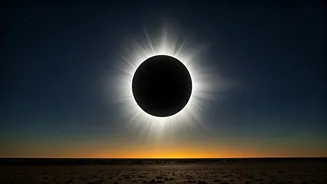
On August 12, 2026, Europe will be treated to a total solar eclipse, a truly rare occurrence marking the first visible from mainland Europe in approximately
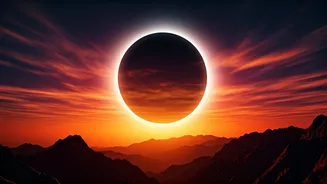
thirty years. This celestial spectacle is particularly notable for its timing – occurring late in the evening, it transforms into a 'sunset eclipse'. During this phenomenon, the Sun appears very low on the horizon as it is fully obscured by the Moon, creating a dramatically different viewing experience compared to midday eclipses. The path of totality will traverse significant portions of the Arctic, sweep across Greenland and Iceland, and then make its way into northern Spain, promising awe-inspiring views for those situated within this specific corridor. The unique low-angle positioning of the Sun during the totality phase in Spain necessitates careful site selection with an unobstructed western horizon for optimal viewing.
Prime Viewing Locations
Spain emerges as a top contender for experiencing this eclipse, offering a compelling blend of favorable weather prospects and accessibility. Inland regions such as Burgos and Palencia are particularly promising due to historically lower cloud cover during August. For a truly unique perspective, coastal areas and islands like Mallorca provide the opportunity to witness the eclipse over the sea, creating a stunning visual of the sun dipping below the horizon. While regions like Asturias and Cantabria boast dramatic coastal backdrops, their weather can be more unpredictable. Iceland presents another compelling destination, especially for those captivated by dramatic natural landscapes. Areas like the Snaefellsnes Peninsula are predicted to experience one of the longest durations of totality on land, offering an extended viewing window. Reykjavík also falls within the path, though its viewing window will be shorter. Greenland and other Arctic regions offer an extreme and unparalleled experience amidst glaciers and fjords; however, these remote locations typically require specialized travel arrangements, such as expedition cruises, and are significantly more challenging to access. Each location offers a distinct backdrop, enhancing the visual impact of this rare astronomical event.
Viewing Conditions Explained
The timing of the eclipse significantly influences viewing conditions. In Spain, the event is slated to occur between approximately 8:27 pm and 8:32 pm local time. During this period, the Sun will be exceptionally low, just a few degrees above the western horizon, presenting a unique photographic and viewing opportunity. Conversely, in Iceland, the eclipse will take place earlier in the evening, with the Sun positioned higher in the sky, which generally makes observation somewhat easier and less dependent on specific horizon clearance. The low altitude of the Sun in Spain is a critical factor; observers are strongly advised to select viewing spots that guarantee a clear, unobstructed view of the western horizon. This includes open plains, hilltops, or coastal areas such as beaches, ensuring that no obstructions mar the view of the setting sun as it is eclipsed. Flexibility in location choice is paramount, especially in areas known for unpredictable weather patterns.
Not Visible in India
For residents of India, it is important to note that the total solar eclipse occurring on August 12, 2026, will not be visible from the Indian subcontinent. The precise celestial alignment means that the path of totality is confined to specific regions in Europe, the Arctic, and surrounding areas. Consequently, observers in India will not be able to witness even a partial phase of this particular eclipse. The Earth's position relative to the Sun and Moon at the time of the event precludes any visibility from India. Those interested in following this spectacular phenomenon will need to rely on live streams, global media coverage, and updates broadcast from international observatories and astronomical institutions located within the eclipse path.
Planning Your Trip
To make the most of this rare astronomical event, careful planning is essential. Given the high demand for accommodation in prime viewing locations, it is strongly recommended to book accommodations well in advance. Prices are already showing an upward trend, particularly in smaller towns and popular coastal destinations. Maintaining flexibility in travel plans is also crucial, as weather is a significant factor in eclipse viewing; having the ability to relocate to an area with clearer skies, if necessary, can be the difference between a spectacular view and disappointment. Considering mobility is also key; renting a vehicle or choosing locations with excellent transport links can significantly aid in making quick adjustments to your itinerary, especially in regions known for unpredictable weather patterns. Early arrival at your chosen viewing spot is also advised to secure a good vantage point and avoid potential crowds or obstructions.
Safety First Always
Ensuring your safety while observing a solar eclipse is of utmost importance. It is imperative to use certified solar eclipse glasses or viewers throughout all the partial phases of the eclipse. Looking directly at the Sun, even when partially obscured, can cause severe and permanent eye damage. These protective glasses should only be removed during the brief period of totality, when the Sun's disc is completely covered by the Moon. Once the Moon begins to move away and the Sun starts to reappear, it is crucial to put the protective eyewear back on immediately. Arriving at your viewing location early is also a practical safety measure, as it helps in avoiding last-minute rushes, finding a safe and clear spot, and minimizing any potential risks associated with large gatherings in unfamiliar areas.