






The GLP-1 Mechanism Explained
New injectable medications, including semaglutide, are generating significant buzz in India, particularly due to their increasing affordability. These
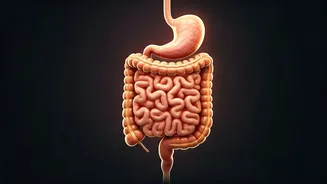
drugs function by mimicking a natural gut hormone, GLP-1, which plays a vital role in regulating appetite and slowing down the digestive process. By doing so, they effectively reduce a person's desire to eat, leading to a natural decrease in food intake and, consequently, weight loss. Beyond weight management, these injections have also demonstrated positive effects on blood sugar control, a critical benefit for the large population in India dealing with diabetes. Clinical trials, such as the STEP and SELECT trials, have showcased substantial average weight loss, often between 12% and 15% of a patient's body weight, alongside notable improvements in cardiovascular health. However, a significant caveat frequently overlooked is that these benefits are often temporary. The medications do not fundamentally alter the underlying metabolic issues; they merely manage the symptoms while the drug is being administered. As soon as the injections are discontinued, the body tends to revert, and the lost weight often returns, underscoring that these are not permanent solutions but rather management tools.
The Muscle Loss Concern
A critical, often understated, consequence associated with these GLP-1 medications is the potential for significant muscle mass reduction. Studies indicate that a substantial portion, potentially up to 40%, of the weight lost while on these injections can be lean muscle, not solely adipose tissue. This is particularly concerning for individuals in India, who are already predisposed to a body composition characterized as 'thin outside, fat inside.' The loss of muscle mass can have detrimental metabolic effects in the long run. Muscle tissue acts as the body's primary site for glucose storage, playing a key role in regulating blood sugar levels even when at rest. A decrease in muscle mass can therefore exacerbate insulin resistance over time, creating a counterproductive situation. A patient might achieve a lower number on the scale after discontinuing the medication, but paradoxically, they could be left in a more metabolically vulnerable state, possessing less muscle and a reduced metabolic rate, making future weight management even more challenging.
Nutrition and Misuse Risks
Another significant concern arising from the pronounced appetite suppression induced by these injections is the elevated risk of nutritional deficiencies. When individuals consume considerably less food, they often reduce their intake of essential nutrients, including vital proteins. Without adequate medical supervision and dietary guidance, what appears as successful weight loss can inadvertently lead to a state of progressive malnutrition. This issue is amplified in India, where average protein consumption is already lower than recommended levels, potentially turning it into a serious public health challenge. The increased accessibility and lower cost of generic versions of these drugs, priced as low as ₹1,300 per month, remove a financial barrier but do not guarantee medical oversight. This gap between affordability and necessary supervision presents the most significant danger, as unsupervised use can easily lead to unintended and harmful health consequences, including the depletion of essential nutrients and muscle mass.
A Balanced Approach
Weight loss injections like semaglutide are not inherently flawed; rather, their effectiveness and safety hinge entirely on responsible usage and integration into a comprehensive health strategy. These medications can indeed serve a valuable purpose, especially for individuals grappling with severe obesity or those requiring a temporary metabolic boost. However, they should never be perceived as a standalone solution to weight management. Instead, a structured and holistic plan is paramount. This approach should prioritize maintaining a high-protein diet to preserve precious muscle mass and actively incorporate resistance training to counteract any potential muscle loss. Crucially, patients must develop a clear long-term plan for maintaining their health and weight after discontinuing the medication. The true success of these drugs lies not in their ability to reduce weight, which they demonstrably can, but in our collective preparedness to employ them wisely. The ultimate challenge is to address the root causes of metabolic diseases rather than merely treating their symptoms, ensuring sustainable health outcomes for all.