


Leftover Magic Unveiled
Transforming those lingering bits and bobs in your refrigerator into exciting new dishes is an art form that celebrates culinary resourcefulness. Instead
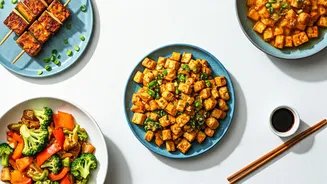
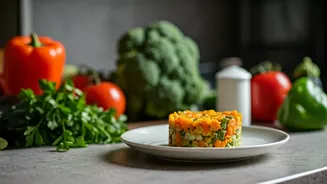
of letting ingredients languish, view them as opportunities for creative reinvention. For instance, leftover cooked grains like rice or quinoa can form the base of a flavorful pilaf, stir-fry, or even be blended into patties. Slightly wilted vegetables find new life sautéed with aromatic spices, incorporated into frittatas, or blended into vibrant soups. Unused portions of roasted meats can be shredded and tossed into tacos, sandwiches, or hearty pasta sauces, offering a depth of flavor that's hard to replicate from scratch. This approach not only champions sustainability by reducing food waste but also encourages a more experimental and economical approach to home cooking, proving that delicious meals can emerge from the most unexpected places.
Smart Ingredient Usage
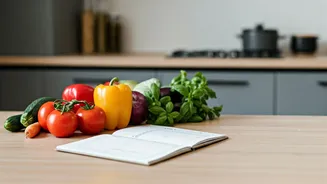
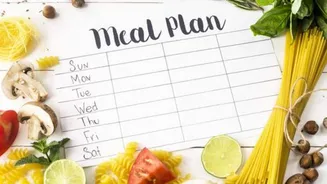
The key to a truly efficient kitchen lies in intelligent ingredient management and thoughtful meal planning. Before you even begin cooking, take a moment to assess what you have on hand. Can that half-used bunch of cilantro be added to a pesto or a fresh salsa? Are those a few lone vegetables destined for a hearty stew or a quick curry? By proactively considering how to utilize every component, you sidestep the common pitfall of accumulating forgotten items. This foresight allows for flexible recipe adaptation; for example, if a recipe calls for one type of herb and you have another, often a simple substitution can work wonders. Embracing a 'use-it-up' mentality encourages a deeper understanding of flavor profiles and ingredient synergies, leading to more spontaneous and satisfying culinary creations.
Recipe Testing Insights
Behind the scenes of every successful recipe lies a rigorous testing process, ensuring that what you read in a cookbook or online translates beautifully to your own kitchen. This involves meticulous attention to detail, from the precise measurement of ingredients to the optimal cooking times and temperatures. Testers experiment with variations, tweaking quantities and methods to achieve the best possible outcome in terms of taste, texture, and ease of preparation. They consider common kitchen equipment and ingredient availability, aiming for recipes that are accessible to a broad audience. This dedication to refinement means that when you follow a tested recipe, you're benefiting from a wealth of culinary knowledge and practical experience designed to guarantee delicious results, even for novice cooks.
The Art of Pairing
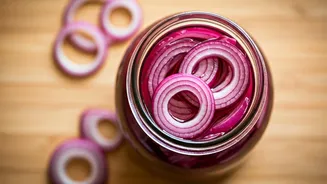
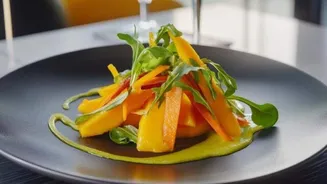
Elevating simple ingredients into a memorable meal often comes down to the art of smart pairing and flavoring. Think about how different tastes and textures complement each other. A rich, creamy sauce can beautifully balance the slight bitterness of leafy greens, while a squeeze of citrus can brighten up a robust, savory dish. Herbs and spices are your allies in this endeavor, capable of transforming the mundane into the extraordinary. A pinch of cumin can add warmth to roasted root vegetables, while fresh mint can bring a refreshing lift to a lentil salad. Consider textural contrasts too; the crunch of toasted nuts or seeds can add an exciting dimension to soft, cooked ingredients. By mindfully combining flavors and textures, you create a more complex and satisfying culinary experience from everyday components.