
Financial Hardship Emerges
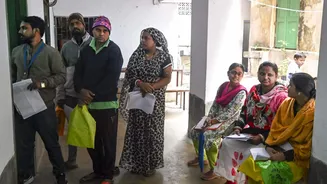
The SIR hearings, intended to provide justice, bring a significant financial burden to West Bengal's smallest tribe. Travel expenses to attend these hearings often
consume their limited resources, with transportation costs alone representing a substantial portion of their income. Moreover, they bear the cost of legal representation, which can be particularly challenging given their socioeconomic status. The lack of financial assistance further exacerbates their difficulties. As a result, the time spent away from their daily activities, such as work, means they also lose valuable earning opportunities. The cumulative effect of these expenses creates a significant obstacle, often making it difficult for the tribe to fully participate in the justice system. The struggle highlights the disparities they face in accessing legal recourse and the need for greater support to ensure fair proceedings.
Travel Expenses Burden
Attending the SIR hearings meant that members of the tribe had to travel, which brought significant financial strain. The transport costs alone were a major part of their budget, as they had to journey long distances. This often meant sacrificing essential needs, like food and healthcare, to cover these expenses. The cost of travel wasn't the only concern, either; it also led to practical difficulties like finding temporary accommodation and coping with the logistics of being away from home. These travel-related financial burdens created additional challenges for the tribe. They struggled to participate fully in the hearings and affected their well-being. It is important to acknowledge that the location of the hearings played a crucial role in determining the severity of this burden. For those living in remote areas, the increased distances translated into higher costs and a heavier strain on their already limited resources.
Legal Representation Costs
Legal representation is a necessity, but it comes at a price that significantly impacts the tribe's finances. The fees charged by lawyers, coupled with the need for other associated costs, can be unaffordable for members of the tribe, many of whom have limited financial resources. They are forced to consider different options. Sometimes, they have to rely on their own skills and knowledge, which can be overwhelming. The process also includes seeking help from organizations that offer free or reduced-cost legal aid. It is crucial to look at how these financial strains impact the fairness and equal access to justice, as they are essential to protect the rights of the smallest tribe in West Bengal. The legal costs present a serious hurdle, often leaving people unable to fully participate in the hearings.
Opportunity Cost Explained
The opportunity cost of attending the SIR hearings represents another significant challenge for the tribe, who must take time away from earning their livelihood to participate in these proceedings. Time spent at the hearings is time not spent working, either in farming, manual labor, or any other income-generating activity, which leads to a direct loss of income. The impact is further compounded by the fact that many of the tribe members depend on daily wages, meaning every day missed at work has an immediate and direct impact on their finances. This makes it challenging for them to support themselves and their families and leads to a cycle of poverty. The lost income associated with attending the hearings therefore compounds the other financial burdens. As such, the tribe faces difficult decisions about how they must balance their needs and the pursuit of justice.
Seeking Compensation Troubles
The process of seeking compensation is complicated and presents several difficulties to the smallest tribe in West Bengal. The complexities of the legal system, unfamiliar terminology, and complicated paperwork create additional obstacles. The lack of knowledge and awareness about their rights and the compensation process also contributes to difficulties. They have to overcome a number of challenges, including navigating the bureaucratic hurdles, gathering necessary documentation, and waiting for the justice system to respond. Delays in the process can add financial and emotional stress. Despite the SIR hearings intending to provide relief, the cumbersome process of claiming compensation means that people face further issues. It is important to emphasize the difficulties involved in seeking compensation and the need for simplified procedures and greater support to address the injustice.
Social and Economic Impact
The SIR hearings have significant social and economic impacts on the smallest tribe. The financial strain, along with the time spent away from their homes and livelihoods, adds stress to families and communities. The absence of support systems can also lead to social isolation and reduced community bonding. The need to focus on legal matters diverts time and energy, resources that could be spent on education, healthcare, and economic advancement. These challenges make it harder to overcome economic and social disadvantages. This has consequences, including widening existing inequalities and limiting opportunities for personal and community development. The hearings, therefore, impact not only finances, but also the overall well-being and progress of this community.
Ensuring Justice Access
Ensuring access to justice requires comprehensive strategies to address the issues faced by West Bengal's smallest tribe. These include financial assistance to cover travel, legal representation, and other associated costs. Increasing legal awareness and providing education about their rights and the compensation process can empower the tribe. Simplifying the legal procedures and reducing the bureaucratic hurdles would make it easier to navigate. Strengthening support systems and community networks will help provide a sense of security. Government and organizations can work together to create an environment where the tribe can fully participate and receive fair justice. Access to justice goes beyond legal processes. It also involves addressing socioeconomic factors, empowering people, and creating a just and equitable society for the smallest tribe.