







Master the 4 Cs
Before you commit to a diamond, it's crucial to understand the four primary factors that determine its value and beauty: cut, colour, clarity, and carat.
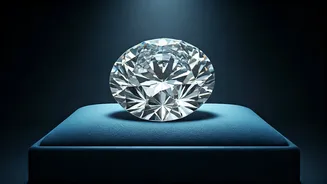
Cut is arguably the most significant, directly influencing how brilliantly the diamond reflects light and sparkles; a poor cut can render even a large diamond lackluster. Colour refers to the absence of colour, with stones closest to colourless being the most desirable and valuable. Clarity assesses the presence of minute internal or external imperfections, often referred to as inclusions or blemishes. Finally, carat denotes the diamond's weight, which is a measure of its mass, not its visual size. A comprehensive understanding of these four 'Cs' empowers you to make an informed decision and discern the true worth of a stone.
Seek Diamond Documentation
Much like purchasing any significant item, acquiring a diamond warrants verifiable proof of its quality and characteristics. Always insist on obtaining a grading report from a reputable gemological laboratory. Institutions such as the Gemological Institute of America (GIA) or the American Gem Society (AGS) are recognized globally for their impartial and thorough assessments. This certificate serves as the diamond's official identification, corroborating all the details provided by the seller and ensuring you're getting what you're paying for. Without this documentation, you risk uncertainty about the diamond's true attributes and value.
Rethink Budget Norms
The long-standing 'two-month salary' guideline for diamond purchases is largely a marketing construct and not a practical financial strategy. It's far more sensible to establish a budget based on your personal financial comfort and stick to it rigorously. Once your budget is set, you can strategically allocate your funds. Consider making minor compromises on less visible aspects like colour or clarity, especially if the imperfections are not apparent to the naked eye. This approach allows you to prioritize elements you value more, such as a superior cut or a slightly larger carat weight, without exceeding your financial limits. Ultimately, the decision should align with your personal financial situation and preferences.
Explore Gem Creation Options
The diamond market now offers a wider array of choices than ever before, with the emergence and acceptance of lab-grown diamonds. It's important to understand that these diamonds are not imitations; they possess the same chemical composition, physical structure, and optical properties as naturally occurring diamonds. The distinction lies solely in their origin: one is formed over millions of years beneath the Earth's surface, while the other is cultivated in a controlled laboratory environment. Because they are produced in a more streamlined manner, lab-grown diamonds are typically more affordable. Your choice between an earth-mined diamond, with its traditional value and rarity, or a lab-grown diamond, offering greater value for money, should be an early consideration in your buying process.
Consider Diamond Shapes
When selecting your diamond, the shape can significantly influence both its perceived size and its price. While the round brilliant cut remains the most popular and offers exceptional sparkle, it also tends to be the most expensive due to the amount of rough diamond material lost during its precise faceting. Exploring alternative 'fancy' shapes can often provide better value. Cuts such as oval, cushion, emerald, pear, or princess shapes can appear larger for the same carat weight compared to a round diamond. Furthermore, these less common shapes often command lower prices, allowing you to potentially acquire a more substantial stone within your budget. Being open to these diverse shapes can lead to a more economically advantageous purchase.