




Ancient Sweetness Unveiled
Long before the advent of processed white sugar, Indian culinary traditions embraced a spectrum of natural, minimally refined sweeteners. These time-honored
ingredients not only impart distinct flavours but also offer a connection to heritage and a balanced approach to sweetness in everyday meals and special occasions. Many of these traditional sweeteners continue to be cherished and utilized, providing a delightful and often healthier alternative to modern refined sugars, enriching dishes with their inherent character and nutritional nuances. Their presence in the kitchen speaks to a wisdom that prioritizes natural goodness and authentic taste profiles, a practice that resonates even more strongly in today's health-conscious world.
Date Syrup & Sugar
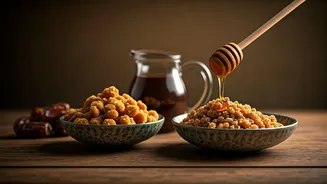
Dates have been a cornerstone of sweetness in Indian and Middle Eastern cuisines for ages. Their processed forms, whether as a rich syrup or a powdered sugar, deliver a profound sweetness that’s wonderfully versatile. This natural sweetener is an excellent choice for enhancing the flavour of porridges, lending a comforting depth to desserts, and adding a touch of natural indulgence to festive preparations. Its inherent flavour profile complements a wide range of dishes, making it a valuable ingredient for those seeking authentic and wholesome sweetness.
The Golden Charm of Honey
Raw, locally sourced honey has been an integral part of Indian diets and Ayurvedic practices for millennia. Its appeal extends beyond mere sweetness, offering a nuanced floral depth that elevates teas, kadhas (traditional herbal infusions), and desserts. In home remedies, it's frequently the sweetener of choice, celebrated for its natural properties and comforting taste. This liquid gold adds a delicate complexity to dishes, making it a preferred choice for both everyday enjoyment and therapeutic applications.
The Richness of Jaggery
Jaggery, known as Gur or Gud, is a testament to the beauty of unrefined sweetness. Produced by boiling sugarcane juice or palm sap until it solidifies, it remarkably retains essential minerals often stripped from white sugar. Its distinctive, deep caramel-like flavour adds a robust character to everything from traditional Indian sweets and beverages to even certain savoury preparations. Jaggery’s complexity makes it a truly unique and wholesome sweetener, grounding dishes with its rich, earthy notes.
Coconut Sugar's Nuance
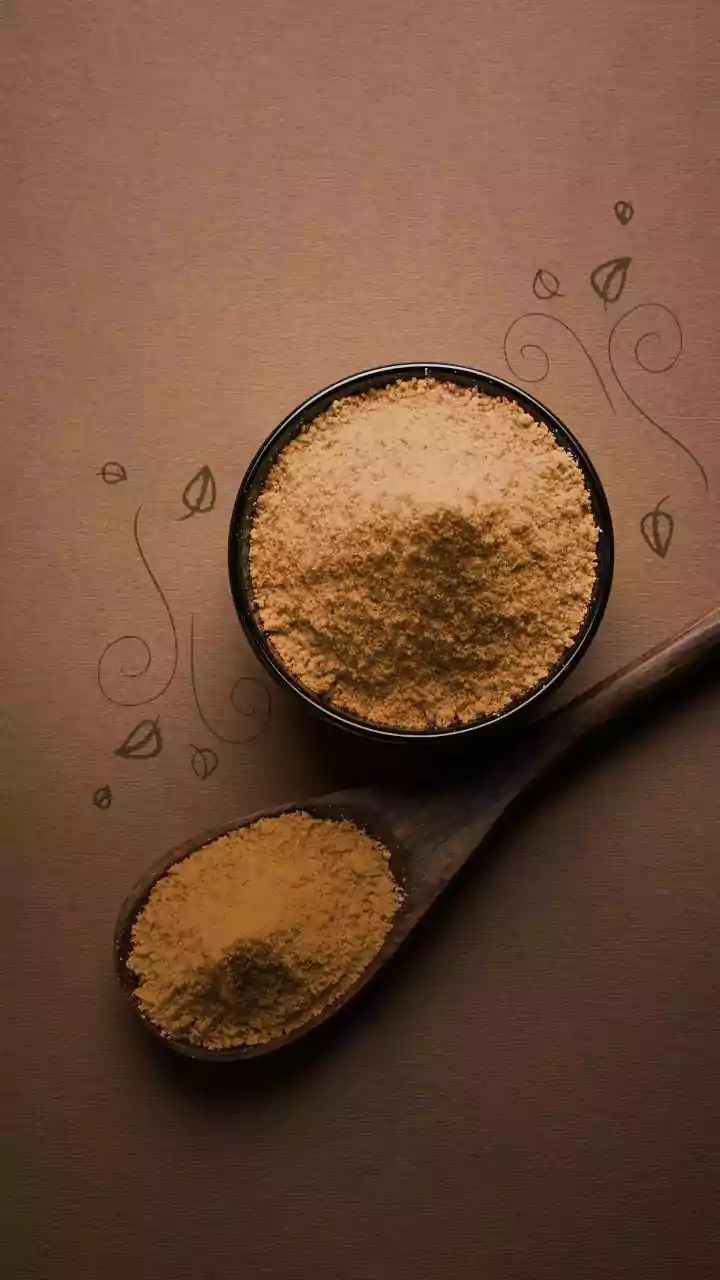
Sourced from the sap of coconut palms, coconut sugar has gained popularity in contemporary Indian kitchens, particularly in urban settings, as a viable sugar substitute. It offers a subtle yet pleasant caramel undertone that blends seamlessly into a variety of culinary creations. This sweetener is a versatile addition to desserts, coffee, and even modern interpretations of Indian recipes, providing a delicate sweetness without overpowering other flavours.
Khandsari: Earthy Sweetness
Khandsari sugar represents a less refined iteration of cane sugar, traditionally produced through artisanal methods. Visually similar to granulated sugar, it retains a portion of its molasses content, bestowing upon it a mild, earthy sweetness. This unique flavour profile makes Khandsari an excellent choice for Indian baking endeavours and for sweetening beverages, where its subtle character can shine through.
Palm Jaggery's Depth
Palm jaggery, referred to as Tadgud or Karupatti, is derived from the sap of palm trees, resulting in a sweetener with a darker hue and an even richer taste compared to standard jaggery. Particularly cherished in the southern states and coastal regions of India, it is frequently incorporated into traditional desserts and drinks, lending them an authentic and profound sweetness that speaks of the tropics.