






Idli: South Indian Staple
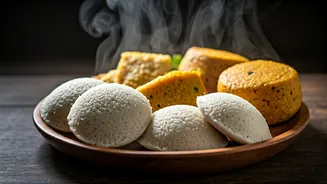
Idli is a cornerstone of South Indian cuisine, cherished for its light and fluffy texture. This breakfast staple is made by steaming fermented batter,
primarily composed of rice and urad dal (black lentils). The fermentation process is critical, as it not only lends the idli its characteristic soft texture but also aids in digestion. Generally served with sambar (a lentil-based vegetable stew) and coconut chutney, idli offers a balanced meal, providing carbohydrates, proteins, and essential nutrients. It is a favored choice due to its ease of digestion and suitability for all age groups, making it a regular feature in South Indian households. Variations abound, including rava idli (made with semolina) for a quicker preparation or stuffed versions with vegetables for added flavor and nutrition. Idli’s versatility allows it to be customized to suit different tastes and preferences.
Dhokla: Gujarati Delight
Dhokla, a beloved Gujarati snack, presents a delectable steamed option perfect for breakfast. This savory cake is crafted from a fermented batter, often a mixture of gram flour (besan), yogurt, and spices. The fermentation process is key to giving dhokla its fluffy, spongy texture, a hallmark of its appeal. The batter is steamed until it's light and airy. Once steamed, dhokla is typically tempered with mustard seeds, curry leaves, and sometimes green chilies, providing a flavorful enhancement. Served with chutney, dhokla is a satisfying and flavorful breakfast choice. It's a low-fat, high-protein snack, making it a healthier alternative. Different varieties, such as khatta dhokla and rava dhokla, exist, each offering unique flavors and textures.
Puttu: Kerala's Breakfast
Puttu, a classic breakfast from Kerala, is made by steaming rice flour with coconut, creating a cylindrical or tubular form. The process involves alternating layers of rice flour and grated coconut, which are then steamed, resulting in a soft, moist texture. It is often served with kadala curry (black chickpea curry) or with banana and sugar, providing a balanced meal that combines carbohydrates, protein, and healthy fats. Puttu's simplicity and nutritious value make it a beloved breakfast option in Kerala households. Variations include using wheat flour or ragi flour instead of rice flour for added nutritional benefits. The combination of puttu with different accompaniments also offers diverse taste experiences, catering to various dietary needs and preferences.
Modak: Maharashtrian Treat
Modak, a sweet dumpling, is a special treat typically made during the Ganesh Chaturthi festival, but it's delicious anytime. These dumplings are made from rice flour or wheat flour. The outer shell is gently steamed, while the filling is a blend of grated coconut and jaggery, which is sweet, aromatic, and soft. The steaming process gives modaks a unique texture, soft on the outside and rich on the inside. Modaks are not only a festive delicacy but also a delicious breakfast or snack option, adding sweetness to the meal. Different variations include fried modaks or those filled with dry fruits, further enhancing the flavors and textures. The cultural significance of modaks makes it a symbol of joy and celebration.
Idiyappam: String Hopper
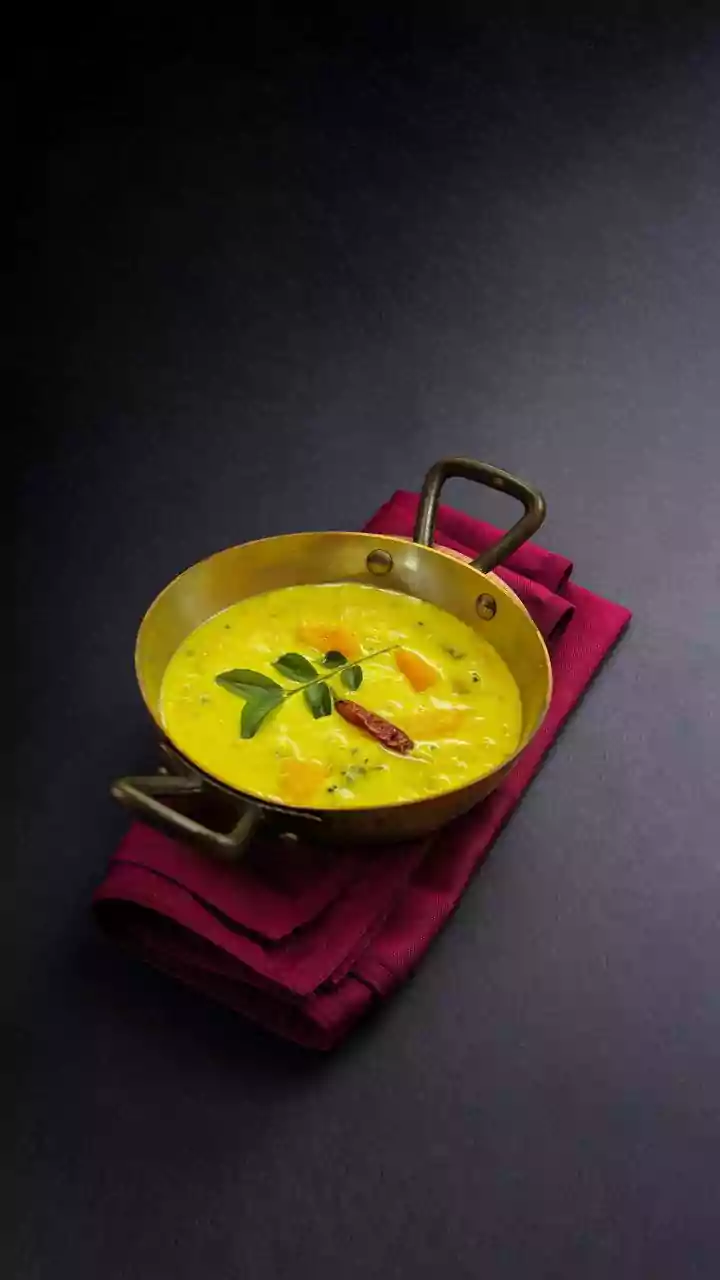
Idiyappam, also called string hoppers, is a popular breakfast dish particularly in South India and Sri Lanka. These delicate noodle-like strands are made from rice flour dough that is pressed through a sieve. The resulting strands are then steamed, giving them a soft and slightly chewy texture. It is often served with vegetable stew (stew with vegetables and coconut milk), egg curry, or sweetened with coconut milk and sugar, making it versatile for different tastes. The preparation is simple, making it a convenient breakfast option. Idiyappam offers a light and easily digestible meal that can be customized with various side dishes to create balanced nutrition.
Khaman: Gujarati Version
Khaman is another popular Gujarati snack, similar to dhokla but with a distinct preparation. This savory snack is made from chana dal (split chickpeas), fermented and then steamed. The fermentation process gives khaman a fluffy and spongy texture. The batter is steamed until it rises and becomes light. Garnished with mustard seeds, curry leaves, and sometimes green chilies, khaman offers a flavorful and appealing breakfast choice. It is usually served with chutney, providing a perfect blend of flavors. With a higher proportion of chana dal, khaman is rich in protein and fiber, making it a filling and nutritious option. Variations often include using different spices and garnishes to enhance the flavors.
Vada: Savory Doughnut
Vada is a savory, doughnut-shaped fritter commonly eaten for breakfast in South India. These are usually made from urad dal (black lentils) that are soaked, ground into a batter, and then deep-fried or steamed, offering a softer alternative. Steaming vadas provides a low-fat option. They are often served with sambar and chutney. The savory taste and soft texture of vada, along with the accompanying sambar and chutney, make for a filling and satisfying breakfast. Different regional variations exist, including the use of various spices and ingredients, such as ginger, chilies, and curry leaves, to enhance the flavor.
Uttapam: Thick Pancake
Uttapam is a South Indian pancake-like dish prepared from a fermented batter of rice and urad dal, similar to idli and dosa batter. The batter is poured onto a hot griddle and topped with various toppings like onions, tomatoes, and chilies. While traditionally made by pan-frying, a steamed version can be created. Steaming provides a healthier alternative to frying. Uttapam offers a versatile breakfast option, as its toppings can be customized to suit individual preferences and dietary requirements. The fermentation and toppings add nutritional value and flavor. It is a satisfying breakfast option, blending flavors and textures with the nutritional value of vegetables.
Appam: Thin Crepe
Appam is a pancake-like dish from South India, with a unique, bowl-shaped form, made from fermented rice batter and coconut milk. This batter is typically fermented overnight, giving it a slightly tangy taste. While traditionally cooked by pan-frying, a steamed version would preserve the distinct textures. Appam is often served with vegetable stew or egg curry, balancing the soft, slightly sour base of the pancake with the richness of the accompaniment. It provides carbohydrates from rice, fats from coconut milk, and protein from side dishes. Different variations include adding sweeteners for a sweet version or incorporating different flours for diverse flavors and textures.
Thukpa: Steamed Dumplings
Thukpa, originally from the Tibetan region but popular in the Himalayas, can be adapted for a steamed breakfast meal. It typically features handmade noodles and vegetables in a hearty broth, offering a warm and nutritious start to the day. While traditional preparation includes boiling, the dumplings can be steamed for a lighter and healthier option. This adaptation makes thukpa suitable as a steamed breakfast, focusing on a balance of carbohydrates from noodles, vegetables, and protein from additions like tofu or eggs. Offering a hearty and customizable meal, the flavors of thukpa vary based on regional ingredients and preferences. Steamed versions provide a light yet filling meal.