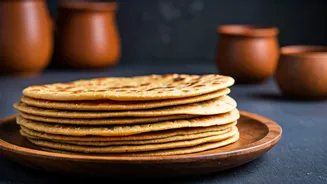

Sattu Paratha Unveiled
Sattu Paratha, a beloved Indian breakfast, stands out for its simplicity and nutritional prowess. Made from roasted gram flour (sattu), this flatbread
is packed with protein, fiber, and essential nutrients, making it an excellent start to the day. The preparation typically involves kneading sattu with spices, stuffing it into wheat dough, and then cooking it on a hot griddle or tawa. Unlike many modern breakfast choices, Sattu Paratha provides sustained energy, preventing the mid-morning slump often associated with sugary cereals or processed foods. Its high fiber content aids digestion and promotes a feeling of fullness, which is crucial for weight management. Moreover, sattu is known for its cooling properties, making Sattu Paratha a refreshing choice, especially during warmer months. This breakfast option is deeply rooted in Indian culinary traditions, offering a taste of heritage while supporting a healthy lifestyle. Choosing Sattu Paratha is a testament to the belief in wholesome, time-tested food choices.
Nutritional Benefits Explored
The nutritional profile of Sattu Paratha is a key reason for its growing popularity. Sattu, the primary ingredient, is a powerhouse of essential nutrients. It is a rich source of protein, crucial for building and repairing tissues, and maintaining overall body function. The high fiber content in sattu aids in digestive health, preventing constipation and contributing to a healthy gut. Fiber also slows down the release of sugar into the bloodstream, which helps in managing blood sugar levels, making it suitable for individuals with diabetes. Additionally, sattu contains various vitamins and minerals, including iron, which helps in the formation of red blood cells, and magnesium, important for muscle and nerve function. When compared to commercially available breakfast cereals or fast foods, Sattu Paratha offers a far superior nutritional profile. It is typically low in unhealthy fats and added sugars, making it a healthier option for those aiming to lose weight or simply maintain a balanced diet. Its nutrient density provides a satisfying meal that keeps you full for longer, reducing the temptation to snack on unhealthy foods between meals.
Preparation Simplified
Preparing Sattu Paratha at home is a relatively straightforward process, making it accessible even for those new to cooking. The first step involves preparing the sattu stuffing. This typically includes mixing sattu flour with finely chopped onions, green chilies, coriander leaves, and a blend of spices like cumin, ajwain (carom seeds), and salt. A small amount of mustard oil or ghee can be added for flavor. Once the stuffing is ready, it's time to prepare the dough, using whole wheat flour. The dough should be soft and pliable. Flatten the dough into small circles, place a spoonful of sattu filling in the center, and carefully seal the edges to prevent leakage during cooking. The stuffed paratha is then gently rolled out into a circular shape. Cook the paratha on a hot tawa or griddle, using a little ghee or oil, until both sides are golden brown and cooked through. Serve hot with yogurt, chutney, or a dollop of butter for a complete and delicious meal. The entire process takes approximately 30-40 minutes from start to finish. This home-cooked meal offers control over the ingredients, ensuring it's a healthy and personalized meal.
Aiding Weight Loss
Sattu Paratha is an excellent ally in the journey toward weight loss. The high fiber content of sattu promotes satiety, meaning it keeps you feeling full for a longer duration. This prevents overeating and reduces the urge for unhealthy snacks. Unlike refined carbohydrates, sattu has a low glycemic index (GI), which means it releases sugar slowly into the bloodstream. This helps in controlling blood sugar levels and prevents the spikes and crashes associated with high-GI foods. By stabilizing blood sugar, sattu paratha can reduce cravings and support a balanced metabolism. Moreover, sattu's high protein content contributes to muscle mass, which is crucial for increasing metabolism and burning calories. The combination of fiber, protein, and slow-releasing carbohydrates makes Sattu Paratha an ideal choice for a weight-loss diet. It provides sustained energy, preventing feelings of fatigue and hunger, making it easier to stick to a healthy eating plan. Integrating Sattu Paratha regularly in breakfast significantly contributes to achieving a healthy weight and promotes overall well-being. Coupled with regular exercise, it can provide effective and sustainable results.
Cultural Significance in India
Sattu Paratha holds a significant place in Indian culture, representing the country's rich culinary heritage. It is more than just a breakfast item; it embodies the values of wholesome, nutritious, and traditional eating. Regional variations in the recipe showcase the diversity of Indian cuisine. In many parts of India, especially in Bihar and Uttar Pradesh, Sattu Paratha is a staple breakfast, often enjoyed with pickles and yogurt. The use of locally sourced ingredients reflects a commitment to sustainable eating practices and supports local farmers. Furthermore, Sattu Paratha is often associated with the concept of simple, nourishing meals that provide energy and well-being. It is a dish that has been passed down through generations, making it a symbol of family traditions and cultural identity. Embracing Sattu Paratha is a way of connecting with one's roots and appreciating the wisdom of traditional Indian cooking. In today's fast-paced world, choosing Sattu Paratha is a conscious decision to prioritize health, flavor, and cultural heritage, keeping the tradition alive.