






The Automation Challenge
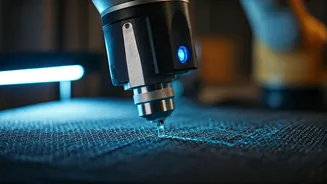
While robots excel in various industries, their entry into garment production has been notably slow. The intricate nature of handling flexible fabrics
and the precise movements required for sewing present significant hurdles. Unlike assembling rigid car parts or performing delicate surgery, manipulating soft textiles under motion, especially keeping two pieces of fabric perfectly aligned for stitching, proves remarkably difficult for current robotic systems. This complexity is why the vast majority of clothing worldwide continues to be assembled by human hands, predominantly in Asian factories, even though workers utilize tools like sewing machines to aid the process.
Adhesive Alternatives Emerge
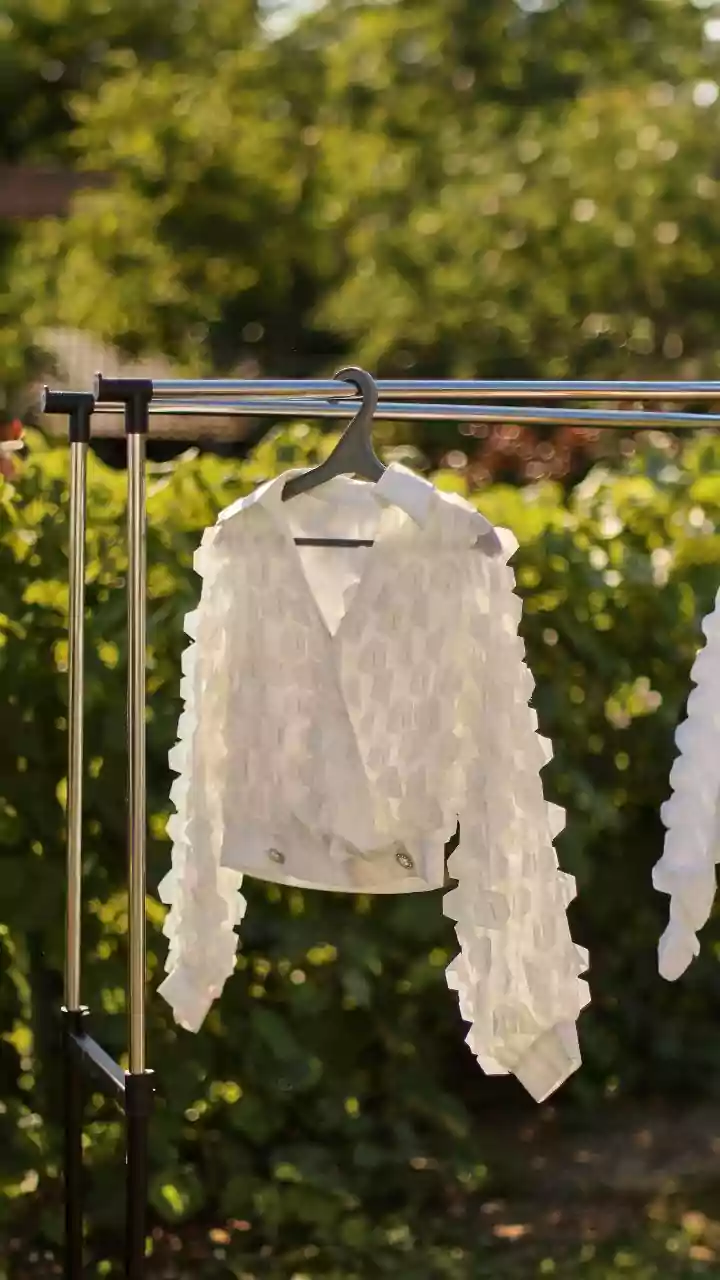
One promising avenue to circumvent the sewing challenge is the use of adhesives. Companies like CreateMe are pioneering this approach, developing robots that can effectively bond fabric pieces together rather than stitch them. Their method involves precisely applying adhesive and then stamping the materials into place. This innovative technique has already led to the production of women's underwear and is set to expand into t-shirts soon, with ambitions for large-scale manufacturing in the near future. This shift could potentially enable a return of garment production to Western countries, reducing transportation emissions and the environmental footprint of fashion.
Reshoring and Sustainability Gains
The prospect of robotic automation in clothing manufacturing sparks hope for 'reshoring' – bringing production back to Western nations. This could significantly reduce the environmental impact of the fashion industry, which currently generates 92 million tonnes of textile waste annually and consumes vast amounts of water and energy for dyeing and finishing. Producing garments on-demand closer to consumers, as suggested by research from the Technical University of Leoben, could slash overproduction and transportation-related carbon emissions. Studies indicate that re-shoring t-shirt production to Europe or the US with robotic assistance could cut greenhouse gas emissions by approximately 45%.
Debates on Sewing's Future
Despite advancements in adhesive-based automation, the traditional sewing method remains a central point of discussion. Some industry experts believe that sewing will always be indispensable, especially given its role in the aesthetic and design of many popular garments, such as the visible stitching on jeans. Companies like Softwear Automation are developing sophisticated sewing robots, aiming to produce t-shirts at a cost competitive with imported goods. However, the specifics of these advanced technologies are often kept confidential due to intense market competition.
Workforce and Economic Impact
The widespread adoption of robotic garment manufacturing raises significant concerns about job displacement for millions of textile workers. While proponents suggest automation could lead to better-paying, less repetitive jobs, the transition is unlikely to be immediate or seamless. The pressure on textile workers has already increased due to global events and supply chain disruptions. Furthermore, while robotic assembly might be re-shored, other crucial stages like fabric dyeing and yarn production remain challenging to relocate, meaning a complete return of the supply chain to Western countries is complex. Predictions suggest that significant re-shoring actions driven by automation may still be a decade away, as the industry prioritizes cost savings.
Technological Nuances and Potential
Robots are evolving with specialized tools to handle fabric. For instance, gripper devices can utilize gentle air currents to lift and manipulate delicate materials before securing them. This technology is finding applications in specialized textiles like those used for bicycle bags or car airbags. While some envision a complete robotic takeover, others foresee a more collaborative future, where automation handles specific tasks, and human workers remain integral, especially for intricate designs and a wide variety of garment styles. The ability for robots to replicate the vast array of colors, forms, and designs demanded by consumers is still a significant developmental challenge.