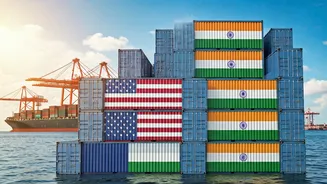








Tariff Reduction Unveiled
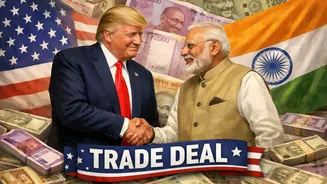
The United States made a significant adjustment to its trade policies, reducing tariffs on goods imported from India. This action saw tariffs slashed from 50%
to 18%. This change occurred within the framework of a new trade agreement between the two countries. The agreement aims to foster closer economic ties and boost trade volumes. This adjustment reflects a strategic shift in trade relations and signifies a commitment by the US to reduce trade barriers with India. The move has been widely interpreted as a positive step, signaling a stronger alliance and potential for economic growth in both nations. This adjustment is an important part of the ongoing evolution of US-India relations. This action will likely lead to greater economic integration, thus encouraging trade, investment, and collaboration across multiple sectors.
India's Trade Advantage
The tariff reduction granted by the US has placed India in a favorable position compared to other countries involved in trade with the United States. Specifically, India's new tariff rate of 18% is more favorable than rates applied to countries like Vietnam, Bangladesh, and Pakistan. This places Indian exporters at an advantage, making Indian goods more competitive in the US market. The tariff cuts open up avenues for increased exports, thus expanding India's overall economic presence. This favorable rate may draw new investments and partnerships as well. Ultimately, it strengthens India's role in the global marketplace, especially when compared to its regional competitors. This strategic move could have long-term positive effects on India's economy, boosting various sectors and encouraging sustainable growth.
Impact on Markets
The announcement of the US tariff reduction sparked a noticeable positive response in the Indian financial markets. The Sensex, an index of leading stocks, experienced a surge, gaining over 2000 points. The Nifty, another key market indicator, surpassed the 25,200 mark. The robust reaction indicated investor optimism and confidence in the Indian economy. The tariff reduction's immediate impact on market sentiment was strong, signaling a boost in confidence. Financial analysts pointed to the deal's potential to strengthen India's economic prospects. The positive market response demonstrated the importance of the trade agreement and showed how economic policies can directly impact financial markets. It underlined the crucial role trade policies play in influencing market dynamics and investor confidence. The market's reaction highlighted that there is considerable optimism about the trajectory of the Indian economy.
US-India Trade Tensions
Before the recent tariff reductions, the relationship between the United States and India experienced periods of trade tension. The US had previously imposed 50% tariffs on several Indian goods. These measures were taken as part of efforts to address trade imbalances and safeguard US economic interests. These tensions were the result of complex negotiations and differing priorities. The history reveals several instances where the countries had disagreements over trade practices. While these issues were being negotiated, both nations consistently sought to resolve their trade-related issues through open dialogue and negotiation. Despite these hurdles, they remained committed to improving their economic relationship. The recently implemented tariff cuts represent a decisive step toward resolving past trade disputes. They lay the groundwork for a more stable and cooperative trade partnership.
Future of Trade
The current trade deal is anticipated to strengthen the partnership between the United States and India. The lowered tariffs will provide new opportunities for businesses and investors in both countries. Further collaboration is expected across different sectors, promoting deeper integration. With reduced trade barriers, both nations should see increased trade volumes and economic growth. This could also result in increased investment in key areas. The positive outcomes of this trade agreement may also encourage other countries to engage with India. This deal creates a favorable economic atmosphere that will likely boost trade in the coming years. By fostering closer economic links, both nations are making a commitment to mutual prosperity.