






Clear the Floor
A cluttered floor can make any room feel cramped and chaotic, hindering your ability to move freely. By dedicating a few moments to gather items that have
accumulated, such as clothing, mail, or delivery packaging, you can instantly create a sense of openness and breathing room. This initial step involves a quick sweep to remove anything that doesn't belong on the floor, ensuring a cleaner and more navigable environment. Discarding unnecessary paper and plastic items also contributes to a less cluttered visual landscape, setting a positive tone for further organization and relaxation.
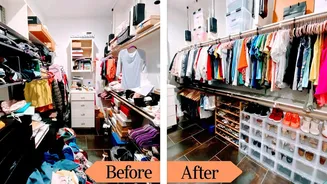
Categorize Your Wardrobe
Organizing clothing by type can significantly streamline your routine and declutter your closet space. Consider grouping similar items together: heavy knitwear like sweaters and sweatshirts can be neatly folded and stored, while lighter pieces such as t-shirts and shorts might be better suited for drawers or hanging. Establishing distinct zones for different clothing categories not only prevents items from becoming jumbled but also minimizes the effort needed to find what you're looking for. This systematic approach conserves energy and time, making dressing each day a more pleasant experience.
Skim Through Clutter
When faced with piles of belongings that need sorting, a rapid overview can be more effective than prolonged deliberation. Instead of spending hours deciding the fate of each item, simply skim the surface of clutter heaps. Focus on items that immediately catch your eye or seem out of place. This method helps you quickly identify a few items—perhaps three to five—to discard or donate, making subsequent, more thorough decluttering sessions feel less daunting. It’s about making quick, intuitive decisions to reduce volume efficiently.
Prioritize Favorites
For areas like vanities or desks, easily accessing your most-used items is key to a smooth daily flow. If frequently used products or tools are buried under less essential ones, bringing them to the forefront can make a significant difference. Relocate those items you reach for most often to easily accessible spots, while those used sparingly can be moved to the back or stored elsewhere. This simple rearrangement ensures that your daily essentials are always within reach, enhancing efficiency and reducing frustration.
Discard Imperfect Items
It’s often surprising how many broken or incomplete items linger in our spaces, taking up valuable room. During a decluttering session, make it a point to identify and discard anything that is damaged, missing parts, or no longer functional. This could include items like cracked hangers, lids that have gone missing from containers, or electronics that no longer work. Keeping a trash bin handy allows for immediate disposal, freeing up space and preventing these unusable items from cluttering your environment.