
Energy Dependence and Diplomacy
India's increasing reliance on oil imports has always been a key factor in its foreign policy decisions. In recent years, India has been actively seeking
diverse sources to secure its energy needs. The relationship with Russia has emerged as a crucial component of this strategy, particularly following the imposition of sanctions by Western nations. This has created a complex situation involving economic opportunities and diplomatic challenges, as India navigates its energy security requirements with its global obligations. The country's approach is designed to balance its economic interests with its international commitments. This balancing act requires deft diplomacy and a clear understanding of the evolving global landscape.
Russia’s Oil Advantage
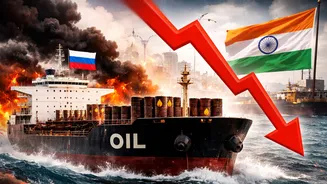
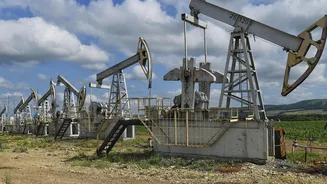
Russia, facing sanctions from various Western nations, has adjusted its oil export strategy. It started offering discounted crude oil, making it an attractive supplier for energy-hungry nations like India. These discounted prices have offered India considerable savings, benefiting the Indian economy. However, this is not a one-sided arrangement. India also needs to consider the long-term sustainability of this reliance. The geopolitical risks associated with depending on a single supplier, especially one subject to international sanctions, necessitate careful evaluation and proactive risk mitigation strategies. The situation has highlighted the importance of diversification in energy procurement.
Navigating Sanction Risks
India's relationship with Russia and its oil imports is subject to international scrutiny. The primary concern is the potential breach of sanctions imposed by the US and other countries. Indian authorities have to balance its need for affordable energy with its obligations to comply with international regulations. This has led to the adoption of sophisticated financial mechanisms to facilitate trade while avoiding any potential violations. These mechanisms include using currencies other than the US dollar for transactions, and creating alternate payment systems. Additionally, India constantly monitors and adjusts its strategies to align with the evolving international policies and regulations. India is therefore operating in a high-stakes environment.
Geopolitical Implications Unfold
The growing Indo-Russian oil relationship is influencing the geopolitical dynamics. The move allows Russia to maintain its oil exports and helps India to fulfill its energy needs, and it also impacts the balance of power on the global stage. Nations such as the US have watched these developments with interest, expressing both concern and understanding. India's actions have implications for the global oil market, the effectiveness of sanctions, and the relationships among countries. India’s strategic independence has come into play with its decision to engage with Russia, as it seeks to maintain its own position in global affairs. India’s choices thus resonate across international circles.
Future Outlook and Challenges
The coming years will be crucial in determining the future of India's oil strategy. The country must balance its energy security requirements with its economic objectives and international relations. The key will be to diversify its energy sources, create strong, secure supply chains, and mitigate risks. India is expected to remain a significant importer of oil. The government is also looking into sustainable energy alternatives. India’s approach to its oil and energy strategies will play a vital role in its growth and its place in the world. The country is well-positioned to leverage its diplomatic and economic strength in this complicated environment.