

A Haven of Simplicity
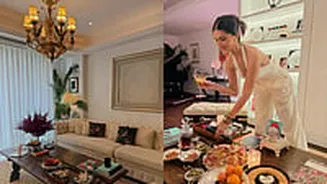
Gaurav Gera's Mumbai apartment in Oshiwara is a reflection of a life lived with intention, prioritizing functionality and personal comfort over ostentatious
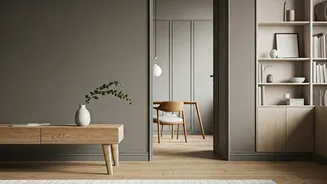
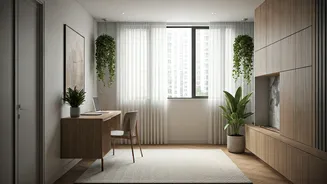
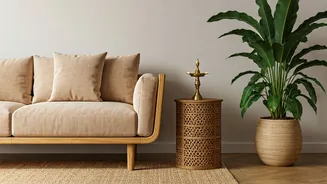
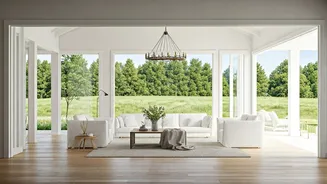
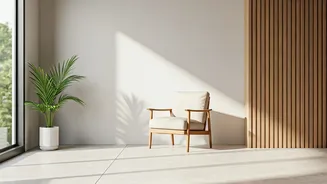
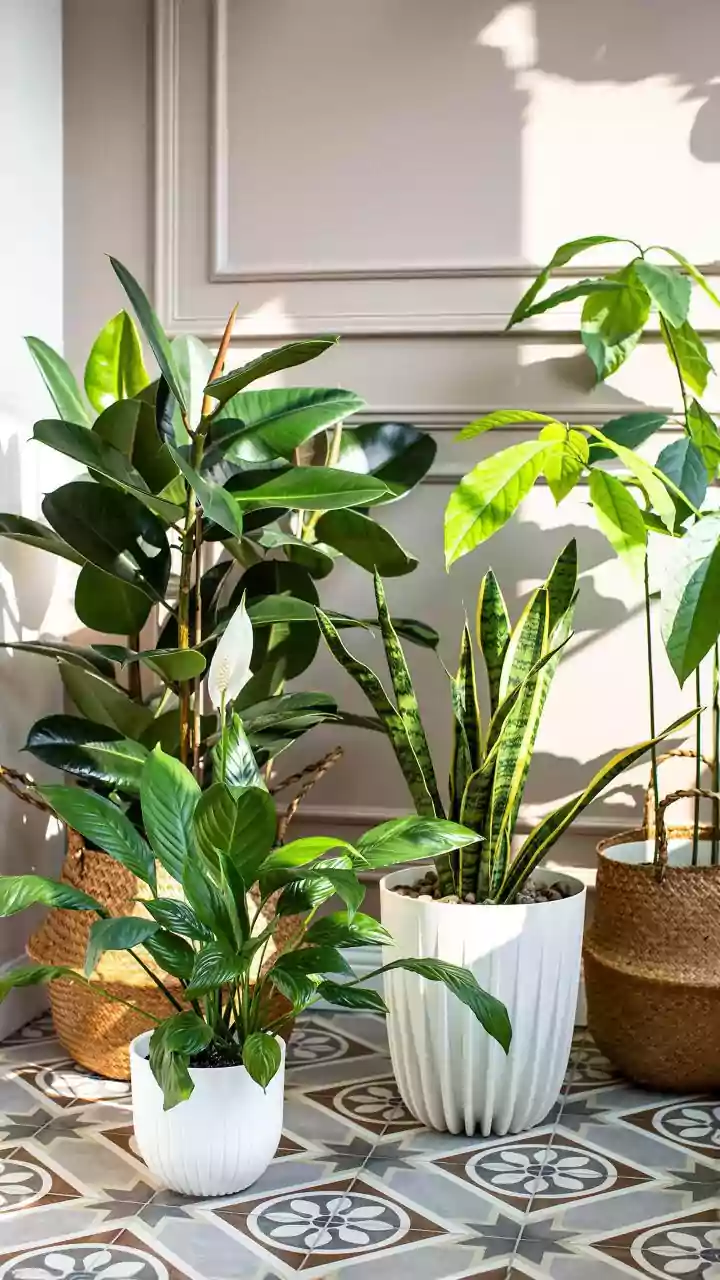
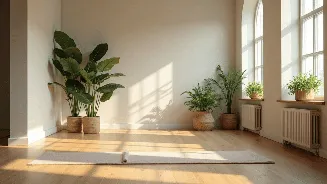
display. Having resided in the area for approximately 28 years, since 1998, Gera has cultivated a deep sense of belonging in Andheri. His home mirrors this groundedness, featuring white walls and a neutral color scheme that promotes tranquility. The layout is designed for seamless movement, enhanced by the presence of indoor plants that bring a touch of nature indoors. Gera opted for practicality when furnishing, largely replacing older items with pieces from IKEA, chosen for their ease of use and straightforward design. This deliberate choice in furniture acquisition underscores his preference for simplicity and a living environment that supports his daily life without unnecessary complications. The overall atmosphere is one of calm, achieved through an understated elegance that feels authentic and lived-in, rather than staged for external admiration. The apartment is a sanctuary where clarity and peace are paramount, creating an environment conducive to both relaxation and focused thought. It’s a space that speaks volumes about the occupant’s personality: minimal, practical, and free from the excesses that often clutter modern living.
Personal Touches, Deep Roots
The character of Gaurav Gera's residence emanates from its subtle yet significant personal details, which imbue the space with individuality without overwhelming its serene aesthetic. Among these are charming fish motifs, souvenirs from Thailand, chosen for their symbolic representation of good luck and upward aspiration, symbolizing a desire for positive progress. The apartment also showcases a thoughtful approach to sustainability and sentiment, with repurposed furniture and even everyday objects like utensils with minor damage being retained, reflecting a deep-seated connection to continuity and emotional attachment. This conscious decision to preserve items of personal significance adds layers of narrative and history to the home. Furthermore, the environment is meticulously crafted to support his need for quietude and concentration, featuring inviting nooks that serve as his preferred spots for unwinding and engaging in personal pursuits during his leisure time. These carefully curated elements contribute to a living space that feels both deeply personal and psychologically supportive, offering a sense of comfort and familiarity.
Duality of Design
Gaurav Gera's home presents an intriguing dichotomy, smoothly transitioning from an overarching minimalist ethos to a dedicated zone for his technological passions. While the majority of his living space embraces simplicity and a neutral palette, his gadget and content creation room stands in stark contrast, brimming with advanced technology. This space is a testament to his profound engagement with modern tech, a passion he openly acknowledges, stating, 'I am very, heavily into gadgets.' He further clarifies that beyond this specific interest, his enthusiasm for material possessions like cars or clothing is minimal. This duality between the serene, uncluttered living areas and the vibrant, technologically equipped creative hub highlights the multifaceted nature of his personality and lifestyle. The apartment masterfully balances these two seemingly disparate aspects, creating an environment that is both a peaceful retreat and a dynamic engine for his creative endeavors. Personal corners adorned with cherished awards, photographs, and mementos further enrich the narrative of the space, weaving together a complex tapestry of functionality, personal history, and creative expression.
Mindful Living's Impact
The psychological benefits of minimalist and clutter-free living spaces are significant, profoundly impacting mental clarity, stress reduction, and overall emotional well-being. According to Neha Cadabam, a senior psychologist, such environments actively minimize cognitive overload by reducing the constant influx of visual stimuli that compete for our attention. This reduction allows the brain to process information more efficiently, leading to enhanced focus and improved mental clarity. From a psychological perspective, organized living areas are intrinsically linked to lower cortisol levels, the primary stress hormone, thereby directly contributing to stress alleviation. Furthermore, these environments foster a crucial sense of control and predictability, both of which are fundamental pillars for maintaining emotional stability and cultivating a state of holistic well-being. By consciously curating their surroundings, individuals can create a sanctuary that supports not only physical comfort but also profound mental and emotional equilibrium.
Zoning for Balance
The strategic creation of distinct zones within a living space plays a pivotal role in supporting better mental balance and overall psychological harmony. Cadabam confirms that these spatially defined areas enable the brain to establish clear contextual boundaries, a critical factor in effectively regulating attention and managing emotional states. When distinct zones are designated for activities such as work, rest, and creative pursuits, it significantly minimizes role overlap and mitigates mental fatigue. This zoning facilitates a more efficient transition between periods of focused productivity and restorative relaxation, thereby enhancing both output and recovery. For individuals engaged in creative fields, the presence of dedicated spaces can serve as powerful psychological triggers, stimulating enhanced flow states and fostering ideation. This intentional design approach transforms a home into a highly functional and supportive ecosystem that actively contributes to the occupant's mental and emotional resilience, promoting a healthier and more balanced lifestyle.