







Innovative Safety Measures
NHAI's groundbreaking initiative introduces 'table-top red markings' as a key safety feature on India's first wildlife-safe road. This innovative approach
involves the strategic placement of visual cues, designed to alert drivers to the potential presence of animals. This is done with the goal of increasing awareness and promoting safer driving practices within areas inhabited by wildlife. The 11.9-kilometer project through the Nauradehi Sanctuary is a pilot, using novel methods to reduce accidents involving animals on highways. The implementation involves the installation of these special markings and, importantly, integrates speed detection devices. This combination aims to provide a comprehensive approach to safety. The project's overall goal is to establish safe passages for animals and reduce road-related fatalities.
Protecting Wildlife Habitats
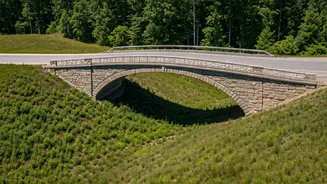
The construction of the wildlife-safe road plays a pivotal role in protecting animal habitats. This 11.9-kilometer section of National Highway passes directly through the Nauradehi Sanctuary. This location makes the road an excellent testing ground for wildlife safety solutions. Further demonstrating the comprehensive nature of the project, NHAI has built nearly 25 underpasses to avoid animal-vehicle collisions. These underpasses allow animals to safely cross beneath the highway, reducing the likelihood of accidents and preserving the integrity of their natural environment. The success of this experimental project in Madhya Pradesh is crucial for the future implementation of similar measures across the country. The initiative underscores a broader commitment to conservation.
Strategic Implementation Details
The NHAI's initiative represents a significant investment in wildlife conservation. The project’s implementation uses visual cues such as table-top red markings over physical barriers. These markings aim to increase driver alertness, particularly in areas with high wildlife presence. The project's cost reflects a comprehensive approach to safety, including the installation of speed detection devices to deter speeding and prevent collisions. The project is specifically located within the Durgavati Tiger Reserve, indicating a focused approach to protecting critical habitats for tigers and other wildlife. The focus on this location highlights the project's dedication to protecting vulnerable species in their natural environment. This project underscores the government's commitment to implementing measures across National Highways.