



Understanding Hair Loss
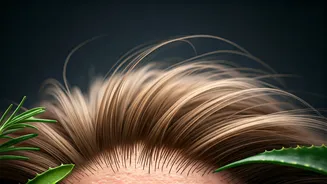
Experiencing sudden hair loss, particularly the appearance of a bald spot, can be quite distressing. It's important to recognize that female hair loss is a complex
issue with various potential triggers, ranging from elevated stress levels and hormonal fluctuations to insufficient iron intake or persistent traction from hairstyles. While home remedies offer a promising avenue for encouraging hair regrowth, their efficacy is significantly enhanced when coupled with an understanding and addressing of the underlying causes. For mild or recent patches, these natural approaches can be instrumental in revitalizing the scalp and promoting a healthier hair growth cycle.
Coconut Oil Revival
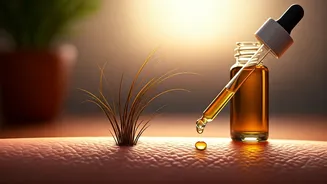
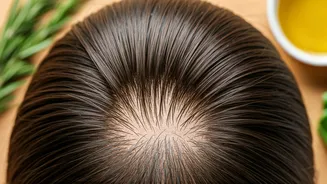
Coconut oil stands as a time-tested remedy for hair care, backed by scientific understanding. Its unique molecular structure allows it to penetrate the hair shaft effectively, mitigating protein loss and thus reducing breakage. The true magic, however, lies not just in the oil itself but in the application technique. A gentle, invigorating massage of warmed coconut oil into the affected area for 5 to 10 minutes, performed 2-3 times weekly, stimulates blood circulation directly to the hair follicles, acting as a powerful wake-up call for dormant hair. For maximum benefit, leaving the oil on overnight or for several hours before washing is recommended.
Potent Onion Elixir
Despite its strong aroma, onion juice has gained considerable traction as a hair growth stimulant due to its rich sulfur content. Sulfur is a fundamental component in the synthesis of collagen and hair proteins, both vital for robust hair structure. To prepare and apply, grate or blend an onion and extract its juice, then carefully dab it onto the bald patch. Allow it to remain for 20 to 30 minutes before rinsing thoroughly. This treatment is believed to enhance blood circulation and has shown promise in some studies for combating patchy hair loss. If the odor is a concern, a few drops of rosemary or lavender essential oil can help to mask it.
Soothing Aloe Vera
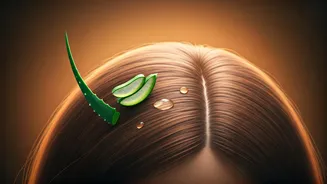
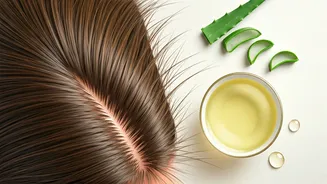
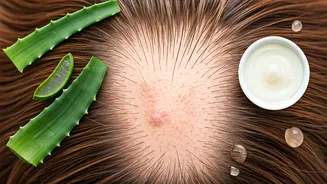
When scalp conditions like inflammation, dryness, or irritation hinder hair growth, aloe vera offers a calming and rejuvenating solution. Its gel-like substance acts as a soothing balm for the scalp, creating an optimal environment for hair follicles to thrive. Applying fresh aloe vera gel directly to the scalp and leaving it for 30-40 minutes before rinsing with lukewarm water can help to clear blocked follicles and reduce scalp inflammation. This gentle treatment can be incorporated into your routine 2-3 times a week to foster a healthier scalp and encourage new growth.
Nourishing Castor Oil
Castor oil is renowned for its potent hair-thickening properties, largely attributed to its high concentration of ricinoleic acid. Due to its viscous consistency, it’s advisable to blend it with lighter oils such as almond or coconut oil to facilitate easier application. A weekly application, perhaps once or twice, involves massaging the mixture into the scalp and leaving it overnight. This method deeply moisturizes the hair roots and establishes a protective layer that maintains scalp health. Given its richness, moderation is key to avoid overwhelming the scalp.
Fenugreek Seed Power
Fenugreek seeds, a common kitchen staple, possess remarkable hair-rejuvenating capabilities. They are abundant in nicotinic acid and proteins, essential building blocks for healthy hair. To harness their benefits, soak the seeds overnight and then grind them into a paste. Apply this paste to your scalp and leave it on for approximately 30 minutes. This traditional remedy is highly effective in fortifying hair roots and stimulating growth in areas experiencing thinning.
Garlic Oil Stimulation
Similar to onions, garlic is a potent source of sulfur, making it an excellent option for revitalizing areas where hair growth has stalled. To prepare, crush a few garlic cloves and gently heat them in a small amount of coconut oil. After allowing the mixture to cool, strain out the solids and use the infused oil as a targeted treatment for bald spots, applying it once a week. This potent oil can help to invigorate the scalp and encourage renewed growth.
Stress and Diet Impact
Effectively managing hair loss necessitates addressing crucial lifestyle factors such as stress and diet. Elevated stress levels can disrupt the hair growth cycle, leading to shedding. Prioritizing 7-8 hours of sleep and incorporating stress-reducing activities like deep breathing or yoga can help to calm the nervous system and positively influence hair health. Furthermore, adequate nutrient intake is paramount. Hair receives nutrients last, so deficiencies in protein (found in lentils, eggs, paneer), iron (spinach, dates), and healthy fats (walnuts, seeds) can directly impact hair growth. Ensuring a balanced diet is as critical as topical treatments.
Practices to Avoid
Identifying and ceasing detrimental hair practices is as vital as implementing beneficial ones. To foster regrowth and prevent further hair loss, it is crucial to steer clear of hairstyles that exert high tension on the hair roots, such as tight buns, braids, or ponytails. Additionally, minimize exposure to excessive heat from styling tools like flat irons, and avoid harsh chemical treatments such as bleaches or perms until noticeable regrowth occurs. Modifying these habits can significantly support the scalp's healing process.
Patience and Professional Help
Realistically, hair regrowth is a gradual process that requires significant patience and consistency. Visible results, such as the appearance of fine 'baby hairs,' typically emerge within 4-6 weeks, with more substantial filling of bald patches occurring over 2-3 months. Switching remedies frequently can hinder progress; adherence to a chosen treatment plan is essential. However, home remedies are not a panacea. Seek professional dermatological advice if the bald spot expands rapidly, the scalp becomes painful or itchy, hair loss occurs in significant clumps, or if other systemic symptoms like extreme fatigue or irregular periods are present, as these might indicate underlying medical conditions.