






Energy as a Strategy
The Indian hospitality sector is experiencing a profound shift, not a crisis, in how it approaches energy. Instead of viewing energy as a static operational
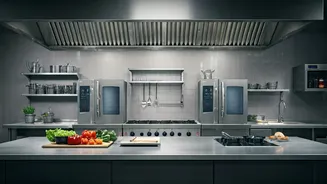
expense, it's now a dynamic strategic element influencing fundamental aspects of kitchen operations, from menu planning to the very design of culinary infrastructure. This strategic pivot is geared towards enhancing efficiency, bolstering operational resilience, and fostering more intelligent kitchen designs. At The Clarks Hotels & Resorts, for instance, this transformation involves integrating energy-efficient appliances, refining menu offerings to prioritize production ease, and implementing data-driven procurement methods. The overarching objective extends beyond mere cost reduction; it encompasses the construction of robust, scalable, and adaptable kitchen systems designed for long-term sustainability and operational continuity, ensuring consistent service even amidst fluctuating energy prices or supply chain disruptions. Staff training also plays a crucial role, empowering culinary teams to manage resources judiciously, thereby preserving the guest experience while optimizing energy usage.
Operational Realities Evolve
The practical realities of daily operations, particularly the escalating costs of LPG and intermittent concerns about its availability, are compelling kitchens across India to adopt more rigorous, process-oriented methodologies. Samir MC, CEO of Tamara Leisure Experiences, articulates that this period signifies more than a fleeting adjustment; it represents a fundamental structural alteration in the design and management of kitchen environments. A key focus is the meticulous optimization of heat utilization, ensuring that energy consumption is precisely calibrated. Waste minimization has transitioned from a purely environmental aspiration to a critical financial imperative. Furthermore, kitchen throughput is being managed with heightened precision, guaranteeing that high-volume food preparation can be sustained without incurring unnecessary energy expenditures. This meticulous approach to operational flow directly impacts menu composition, favoring dishes that can be prepared efficiently without any compromise on their quality or appeal. Workflow scheduling is being strategically staggered to distribute energy demands more evenly throughout service hours, while procurement strategies are being re-evaluated to reduce waste and maximize the yield from ingredients.
Embracing New Energy
A significant emerging trend is the gradual adoption of alternative energy systems within hotel kitchens. Electric and hybrid kitchen configurations are capturing increasing attention, especially in the development of new hotel properties. However, this transition is not without its inherent complexities and demands significant considerations. It necessitates substantial capital investment for new equipment and infrastructure, along with comprehensive retraining of operational staff to adapt to different technologies and workflows. Careful calibration is also essential to maintain the consistent high-intensity performance required in professional cooking environments. For many hoteliers, the most prudent strategy involves diversification of energy sources rather than an over-reliance on any single one. Samir MC emphasizes that reducing dependency on a solitary energy provider is a vital strategy for mitigating potential risks and ensuring business continuity. By embedding flexibility into their kitchen systems, hotels are better positioned to navigate external volatilities, thereby safeguarding their service standards and guest satisfaction even when faced with unpredictable energy landscapes.
Redefining Kitchen Excellence
The cumulative effect of these evolving practices culminates in a redefined understanding of kitchen efficiency, one that harmoniously integrates ecological responsibility with practical operational demands. Energy-conscious kitchens are no longer solely defined by reduced consumption figures; they are characterized by operational designs that possess adaptability, precision, and a forward-thinking orientation. Consequently, the ongoing transformation within India's hospitality kitchens is less about operating under duress and more about gaining enhanced control and strategic oversight. As the sector continues its dynamic evolution, the capacity to intelligently manage energy resources is poised to become a defining hallmark of operational excellence and a testament to the commitment to responsible hospitality practices, setting apart leading establishments in the industry.